
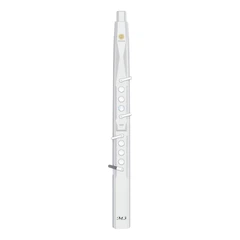


The reason why the Electronic Wind Instrument (EWI) is expensive can be analyzed from multiple angles.
Here are some key factors that together influence the price of EWI:
EWI combines advanced electronic technology with traditional wind instrument design.
They are often equipped with high-precision sensors capable of capturing the player's breath control, note bending, portamento and other expressive techniques. This high sensitivity and accuracy requires complex engineering and manufacturing processes, which increases costs.
2. R & D costs:
Developing new EWI requires significant research and development investment.
These instruments are usually designed by a team of professional engineers and musicians who need to be constantly tested and improved to ensure the performance and sound quality of the instrument. Innovations and technological breakthroughs in research and development often require expensive resources.
High-quality EWIs are often made from durable and high-performance materials such as specialty metals, plastics and electronic components.
The cost of these materials is inherently higher, and manufacturers may opt for more expensive options to ensure the durability and reliability of the instrument.
4. Brand and market positioning:
Some EWI brands may be priced higher due to their reputation, history and market positioning.
For example, well-known brands may charge a premium because their products are seen as the industry standard or have unique designs and features.
5. Production scale:
Compared with traditional woodwind or brass instruments, EWI has a smaller market size and smaller production batches.
A smaller production scale means higher unit costs because manufacturing and development costs cannot be spread out as widely as for mass-produced products.
6. Software and Sound Libraries:
Many EWIs offer built-in sound libraries and music software, which require additional development and licensing costs. High-quality sound and software can provide a richer music experience, but also increase the price of the instrument.
7. Market demand:
EWI is usually aimed at professional musicians and high-end enthusiasts, which are less price sensitive and more focused on the performance and sound quality of the instrument.
As a result, manufacturers may position products at the high end of the market to reflect their unique value.
8. After Sales Service and Support: The EWI manufacturer may provide additional service and support, such as warranty, repair, and guest service, which all cost money. High-quality service can increase consumer confidence, but it will also be reflected in the price of the product.
In summary, EWI's pricing reflects its technical complexity, research and development input, cost of materials, brand value, scale of production, quality of software and sound library, market demand, and services and support provided. These factors combine to make the EWI a relatively expensive instrument.
Sunrise melody XR3000 Electronic Saxophone EWI Digital Wind Instrument
Model: XR3000
4 fingering modes available to select


