
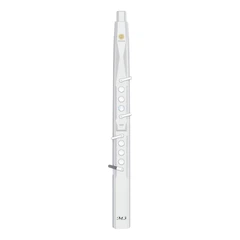


What are the playing techniques of electric saxophone?
The electric saxophone is a unique instrument that combines traditional saxophone playing techniques with modern electronic elements. Here are some of the key playing techniques for the electric saxophone.
I. Breath Control
Breath control is fundamental to playing any wind instrument, and the electric saxophone is no exception. A good breath support system is essential for producing a full and rich sound. When playing the electric saxophone, take deep breaths from the diaphragm, filling the lungs completely. As you exhale, control the flow of air steadily and evenly to create a continuous sound.
To achieve different volumes and tones, adjust the strength and speed of your breath. For louder notes, increase the air pressure and flow rate. For softer notes, reduce the air pressure and flow rate. Practice breathing exercises regularly to improve your breath control and stamina.
II. Finger Technique
Familiarize yourself with the key layout of the electric saxophone. Learn the correct finger positions for each note and practice transitioning smoothly between different notes. Pay attention to the placement of your fingers on the keys to ensure accurate and clean notes.
Develop finger dexterity by practicing scales and arpeggios. These exercises will help you improve your speed and accuracy when playing fast passages.
Use alternate fingerings when possible. Some notes can be played using different finger combinations, which can be useful for achieving different tonal qualities or for making technical passages easier to play.
Practice trills and grace notes to add ornamentation to your playing. These techniques can add expression and interest to your music.
III. Embouchure
The embouchure is the way you use your lips, teeth, and tongue to control the sound of the instrument. For the electric saxophone, develop a firm but flexible embouchure. Place your lips on the mouthpiece firmly, but not too tightly, and use your tongue and jaw to control the airflow.
Experiment with different embouchure positions to find the one that works best for you. Some players prefer a more centered embouchure, while others may use a slightly off-center position. Adjust the pressure of your lips on the mouthpiece to control the volume and tone of the sound.
IV. Electronic Controls
The electric saxophone often comes with various electronic controls that can be used to manipulate the sound. Familiarize yourself with these controls and learn how to use them effectively. Some common electronic controls include volume, tone, reverb, and distortion.
Experiment with different settings to create unique sounds and effects. For example, you can use reverb to add a sense of space and depth to your playing, or distortion to create a more aggressive sound. However, be careful not to overuse these effects as they can quickly become overwhelming and detract from the musicality of your performance.
V. Improvisation
Improvisation is an important aspect of playing the electric saxophone. Develop your improvisational skills by listening to other musicians, studying different musical styles, and practicing improvising over different chord progressions. Use your knowledge of scales, arpeggios, and chord tones to create spontaneous melodies and solos.
When improvising, listen carefully to the other musicians in your group and respond to what they are playing. Build on their ideas and create a musical conversation. Don't be afraid to take risks and try new things, as this is how you will develop your own unique style.
VI. Practice and Patience
Like any instrument, learning to play the electric saxophone takes time and practice. Set aside regular practice sessions and be consistent with your efforts. Start with basic exercises and gradually work your way up to more complex pieces.
Be patient with yourself and don't get discouraged if you don't see immediate progress. Remember that every musician has their own learning curve, and with dedication and perseverance, you will improve over time.
In conclusion, playing the electric saxophone requires a combination of traditional playing techniques and an understanding of its electronic capabilities. By mastering breath control, finger technique, embouchure, electronic controls, improvisation, and having patience and dedication in your practice, you can develop your skills and create beautiful music on this unique instrument.
SUNRISE MELODY M1 Electronic Wind Instrument
. Revisit the passion and dreams of youth
. M1 electric clarinet wind instrument -- The good news for beginners
. Rich and diverse timbres
. Powerful functions and easy operation
. Perfect after-sales service


