
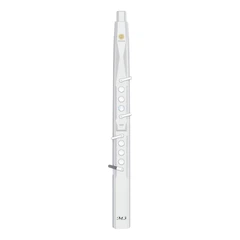


In electric flute playing, how can one practice glissando techniques?
The electric flute, with its unique sound and capabilities, offers a wide range of expressive possibilities. One such technique is glissando, which can add a beautiful and dynamic element to your playing. Here are some steps to effectively practice glissando techniques on the electric flute.
I. Understanding Glissando
Glissando is the smooth transition from one note to another. It can be upward (ascending glissando) or downward (descending glissando). On the electric flute, glissando can be achieved by gradually changing the pitch through a combination of finger movement, breath control, and embouchure adjustments.
II. Warm-up Exercises
Before diving into glissando practice, it's important to warm up your body and instrument. Start with some simple breathing exercises to relax and focus. Take deep breaths and exhale slowly, feeling the flow of air through your body. Then, play some simple scales and arpeggios to warm up your fingers and get familiar with the instrument's range.
III. Finger Movement
Start by practicing slow glissandos on a single note. Place your fingers on the flute and gradually move them up or down the keys while maintaining a steady breath. Pay attention to the smoothness of the movement and try to make the transition as seamless as possible.
Once you are comfortable with single-note glissandos, try playing glissandos between two different notes. For example, start on a low note and glide up to a higher note. Again, focus on the smoothness of the finger movement and the control of the breath.
Practice glissandos in different keys and intervals. This will help you develop finger dexterity and improve your ability to navigate the instrument's range.
IV. Breath Control
Breath control is crucial for achieving a smooth glissando. As you play a glissando, gradually increase or decrease the air pressure and flow to match the changing pitch. Experiment with different breath intensities to find the right balance for each glissando.
Practice breathing exercises specifically designed for glissando. For example, take a deep breath and then release it slowly while playing a glissando. This will help you develop the control and stamina needed for longer glissandos.
Pay attention to the timing of your breath. Try to synchronize your breath with the finger movement to create a seamless glissando. For example, as you start to move your fingers up the keys, start inhaling and then gradually release the air as you reach the higher note.
V. Embouchure Adjustments
The embouchure (the way you position your lips and blow into the flute) also plays a role in glissando. As you play a glissando, slightly adjust your embouchure to match the changing pitch. For example, as you go higher, tighten your lips slightly and increase the air pressure.
Experiment with different embouchure positions to find the one that works best for you. Some players may find that a more centered embouchure works well for glissandos, while others may prefer a slightly off-center position.
Practice maintaining a consistent embouchure throughout the glissando. Avoid sudden changes in embouchure that can disrupt the smoothness of the glissando.
VI. Practice with Metronome and Recording
Use a metronome to practice glissandos at a consistent tempo. Start slowly and gradually increase the speed as you become more comfortable. This will help you develop accuracy and control.
Record yourself playing glissandos and listen back to identify areas for improvement. Pay attention to the smoothness of the glissando, the control of breath and finger movement, and the overall musicality.
Practice with different musical styles and genres. Glissandos can be used in a variety of musical contexts, so experiment with playing glissandos in different styles to expand your musical vocabulary.
VII. Seek Feedback and Inspiration
Seek feedback from a teacher, mentor, or fellow musician. They can offer valuable insights and suggestions for improving your glissando technique.
Listen to professional electric flute players and study their use of glissando. Analyze how they achieve smooth transitions, control breath and finger movement, and add expression to their playing.
Attend concerts, workshops, and masterclasses to learn from experienced musicians and gain inspiration for your own playing.
In conclusion, practicing glissando techniques on the electric flute requires patience, dedication, and a systematic approach. By focusing on finger movement, breath control, embouchure adjustments, and using tools like metronomes and recordings, you can develop a smooth and expressive glissando. Seek feedback and inspiration from others, and continue to explore different musical styles to expand your glissando repertoire. With consistent practice, you will be able to add this beautiful technique to your electric flute playing and enhance your musical expression.
SUNRISE MELODY M1 Electronic Wind Instrument
. Revisit the passion and dreams of youth
. M1 electric clarinet wind instrument -- The good news for beginners
. Rich and diverse timbres
. Powerful functions and easy operation
. Perfect after-sales service


