
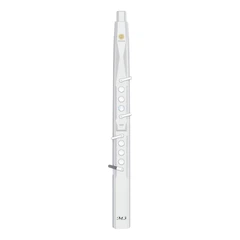


Title: The Rising Tide: The Status of Electric Wind Instruments in Modern Music
Introduction: The landscape of modern music is constantly evolving, with technology playing a significant role in shaping its trajectory. One of the most innovative developments in recent years has been the emergence and growing popularity of electric wind instruments. These instruments, which include electric flutes, saxophones, trumpets, and the versatile Electronic Wind Instrument (EWI), have been gaining traction among musicians worldwide for their unique capabilities and the new dimensions they add to musical expression. This article delves into the current status of electric wind instruments in the music industry, exploring their impact on various genres and the reasons behind their rising popularity.
1. Technological Advancements and Innovations:
The continuous development in music technology has led to significant improvements in the sound quality, playability, and functionality of electric wind instruments.
Modern electric wind instruments now offer a wide range of expressive controls, such as pitch bend, modulation, and breath sensitivity, which rival or even surpass those of their acoustic counterparts.
2. Versatility Across Genres:
Electric wind instruments have found a place in various music genres, from classical and jazz to pop, rock, and electronic music.
Their ability to reproduce a vast array of sounds, from traditional orchestral tones to futuristic synth pads, makes them a favorite among musicians looking to expand their sonic palette.
3. Live Performance and Studio Recording:
In live performances, electric wind instruments offer the advantage of not requiring a large sound system, as they can be amplified directly through headphones or small PA systems.
In the studio, they provide musicians and producers with the flexibility to experiment with sounds and effects, often resulting in unique and creative recordings.
4. Education and Learning:
Electric wind instruments are increasingly being used in educational settings, providing students with a bridge between traditional wind instruments and modern music production techniques.
Their portability and ease of use make them accessible to learners, encouraging exploration and creativity in music education.
5. Environmental and Practical Considerations:
The use of electric wind instruments can be more environmentally friendly, as they do not require the materials or resources associated with traditional instrument production.
They are also more practical for quiet practice, as musicians can use headphones to play without disturbing others.
6. Integration with Digital Music Production:
The compatibility of electric wind instruments with digital audio workstations (DAWs) and music production software has made them a staple in the digital music production workflow.
Musicians can record their performances directly into a DAW, allowing for detailed editing and sound design.
7. Artistic Expression and Creativity:
Electric wind instruments offer artists a new medium for creative expression, enabling them to push the boundaries of traditional wind playing techniques.
They have become a tool for experimentation, with many artists creating innovative sounds and performances that would not be possible with traditional instruments.
8. Challenges and Misconceptions:
Despite their growing popularity, electric wind instruments still face some resistance from traditionalists who view them as a departure from the purity of acoustic music.
However, many musicians argue that these instruments should be seen as an extension of the wind player's toolkit, rather than a replacement for traditional instruments.
Conclusion: The status of electric wind instruments in modern music is one of growing acceptance and integration. As technology continues to advance, these instruments are becoming more sophisticated and are finding their way into the hands of musicians across the globe. They represent not just a new direction in music, but an expansion of the possibilities for creative expression. As the music industry continues to evolve, electric wind instruments are poised to play an increasingly significant role, shaping the sound of future music and defying the limitations of traditional wind instruments.
Brand Name: SUNRISE MELODY
Model: XR3000
Timbre: 60 types
Five octaves metal roller
Bluetooth connection
4 fingering modes available to select


