
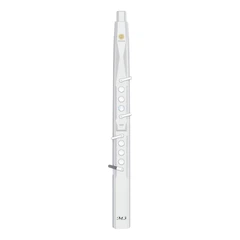


Digital wind instruments are a revolutionary development in the field of music. These instruments combine traditional wind instrument playing techniques with advanced digital technology to offer a wide range of unique features and capabilities.
One of the main advantages of digital wind instruments is their versatility. They can mimic the sounds of various traditional wind instruments such as saxophones, flutes, trumpets, and more. At the same time, they can also generate a vast array of unique and unconventional sounds that are not possible with acoustic instruments. This allows musicians to explore a broader sonic palette and create more diverse and innovative musical compositions.
In addition to sound variety, digital wind instruments often come with a host of built-in effects and processing capabilities. These can include reverb, delay, chorus, distortion, and many other effects that can be applied to the sound in real-time. Musicians can use these effects to add depth, texture, and character to their performances, creating a more immersive and engaging listening experience.
Another notable feature of digital wind instruments is their connectivity. Many models can be connected to computers, tablets, or other digital devices via USB, MIDI, or Bluetooth. This enables musicians to integrate the instrument into a digital music production environment, use it to control virtual instruments or software synthesizers, and record and edit their performances using digital audio workstations (DAWs).
Digital wind instruments also offer advantages in terms of portability and ease of use. They are often lighter and more compact than traditional wind instruments, making them easier to transport and handle. Some models even come with features like built-in speakers and headphone jacks, allowing musicians to practice and perform without the need for external amplification.
However, digital wind instruments also have some limitations. For example, some musicians may find that the feel and response of a digital instrument are not as natural or intuitive as that of a traditional acoustic instrument. Additionally, the reliance on digital technology can sometimes lead to issues such as latency or compatibility problems.
Despite these limitations, digital wind instruments continue to gain popularity among musicians of all levels. Whether used in live performances, studio recordings, or for personal practice and experimentation, these instruments offer a new and exciting way to explore the world of music.
SUNRISE MELODY M1 Electronic Wind Instrument
. Revisit the passion and dreams of youth
. M1 electric clarinet wind instrument -- The good news for beginners
. Rich and diverse timbres
. Powerful functions and easy operation
. Perfect after-sales service


