

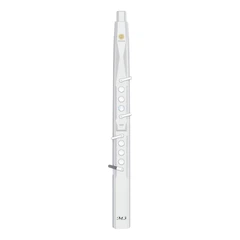

Electric wind instruments (EWIs) are a product of modern music technology, which is significantly different from traditional woodwind instruments in playing. The following is an article on how to properly play an electronic wind blowing instrument.
A Guide to Playing Electronic Wind Blowers Correctly
1. Basic posture
Proper posture is essential to playing any instrument. For electronic wind instruments, you need to maintain a comfortable posture, make sure the mouthpiece fits the lips, and relax the hand supporting the instrument for flexible control of the instrument. Correct posture not only helps to play the tone, but also can prevent the physical fatigue that may arise from playing for a long time.
2. Lip control
The shape of the mouth has a direct impact on the tone and volume of the electronic wind instrument. The correct mouth shape should be the upper and lower lips to increase the resonance of the oral space, and the lips only contain two-thirds of the whistle, so as to avoid the entire mouth completely containing the whistle. The correct mouth shape can make the breath flow smoothly into the tube, and play the sound quickly, otherwise it will affect the performance effect.
3. Breathing techniques
Electronic wind instruments also require proper breathing techniques. The chest and abdomen combined breathing method, through the mouth and nose at the same time, mainly through the mouth, exhaled breath control, the use of chest muscles, abdominal muscles and diaphragm control ability to make the airflow uniform. Through the practice of slow suction and slow call and fast suction and slow call, you can enhance the ability to control the breath.
4. Fingering practice
Electronic wind instruments usually have a variety of fingering patterns to choose from, such as analog saxophone, flute, oboe and other traditional musical instruments fingering. Correct fingering practice is the basis of playing, through continuous practice to become familiar with the position of each hole and the corresponding pitch. Beginners can start with simple scales and gradually move on to more complex tracks.
5. Special techniques
Electronic wind instruments support a variety of special playing techniques, such as vibrato, slide, hold and interval. Vibrato can be produced by gently moving the mouthpiece with the teeth, while glide requires a quick and smooth movement of the fingers. The hold function allows the player to hold a note as a background sound, while the interval function can add a note to create a chorus effect.
6. Timbre and effect
One of the main advantages of electronic wind instruments is the ability to produce a variety of tones through built-in or external synthesizers. The player can control the change of tone by adjusting the intensity of breathing, the combination of keys and built-in effects, thus creating a rich and colorful musical effect.
7. Maintenance and maintenance
In order to maintain the best performance of electronic wind instruments, regular maintenance and maintenance is necessary. This includes cleaning the mouthpiece, checking the sensitivity of the sensor, and updating the instrument's firmware.
conclusion
Playing electronic wind instruments requires an in-depth understanding and practice of posture, mouth movements, breathing, fingering, and special techniques. Through continuous practice and exploration of the function of the instrument, players can fully develop the potential of electronic wind instruments and create beautiful music. Quote from.
Brand Name: SUNRISE MELODY
Model: XR3000
Timbre: 60 types
Five octaves metal roller
Bluetooth connection
4 fingering modes available to select
