
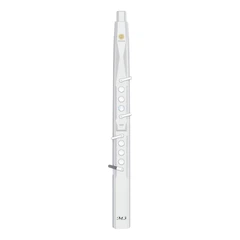


Playing an electric wind instrument (EWI) can be an exhilarating experience for beginners, offering a gateway to a world of music that combines traditional wind instrument techniques with modern technology. Here's a guide with basic tips to help beginners get started on their musical journey with an EWI.
Getting Started with Your Electric Wind Instrument: A Beginner's Guide
1. Familiarize Yourself with the Instrument
Before you begin playing, take time to understand the different parts of your EWI. Know where the breath sensor is, locate the touch-sensitive keys, understand how the settings are navigated, and familiarize yourself with the mouthpiece. Each component plays a role in producing sound and controlling the instrument's expressive capabilities.
2. Proper Posture and Grip
Posture: Stand or sit straight, with the instrument at a slight angle, allowing for comfortable breathing and key access.
Grip: Hold the EWI with a relaxed grip, ensuring that you can move your fingers easily across the keys.
3. Breathing Techniques
Breath Support: Learn to support your breath with your diaphragm, as you would with a traditional wind instrument. Practice breathing deeply and evenly.
Controlled Exhalation: Exhale steadily into the mouthpiece, ensuring that your airflow is consistent and controlled.
4. Mouthpiece Technique
Mouth Position: Place the mouthpiece between your lips, similar to how you would with a clarinet or saxophone, ensuring a good seal for airflow.
Embouchure: Experiment with different embouchures to find what works best for you in terms of tone production and comfort.
5. Fingerings and Dexterity
Basic Fingerings: Start by learning the basic fingerings for simple scales and melodies. This will help you become familiar with the layout of the keys.
Dexterity Exercises: Practice finger exercises to build strength and agility, which are essential for playing fast passages and intricate melodies.
6. Sound Production
Tone Quality: Focus on producing a clear and even tone. Experiment with different breath pressures and embouchures to achieve the desired sound.
Articulation: Practice tonguing techniques to articulate notes clearly and with precision.
7. Exploring the EWI's Capabilities
Sound Selection: Most EWIs offer a variety of sounds. Experiment with these to find the ones you like and practice with each to get a feel for their unique characteristics.
Effects and Controls: Learn how to use the instrument's effects and controls to shape your sound. This can include reverb, delay, and other sound-shaping tools.
8. Practice Regularly
Consistent Practice: Set aside dedicated practice time each day. Consistency is key to developing your skills.
Break Down Difficult Passages: If you encounter a challenging part in a piece, break it down into smaller sections and practice each slowly before increasing the speed.
9. Use a Metronome
Tempo Control: Use a metronome to help you maintain a steady tempo as you practice. This is crucial for developing a sense of timing and rhythm.
10. Learn Music Theory
Understanding Theory: Gain a basic understanding of music theory. This will help you read sheet music, understand chord progressions, and improvise.
11. Record Yourself
Self-Assessment: Record your practice sessions to listen back and assess your progress. This can help you identify areas that need improvement.
12. Seek Guidance
Lessons and Workshops: Consider taking lessons or attending workshops. A knowledgeable teacher can provide invaluable guidance and feedback.
Conclusion
Starting to play an electric wind instrument can be a challenging but rewarding experience. By following these basic tips and maintaining a regular practice routine, beginners can develop the skills needed to express themselves musically and enjoy the unique capabilities of the EWI. Remember, patience and persistence are key as you embark on this musical adventure. Happy playing!
Brand Name: SUNRISE MELODY
Model: XR3000
Timbre: 60 types
Five octaves metal roller
Bluetooth connection
4 fingering modes available to select


