


Choosing the Right Electric Wind Instrument Repertoire for Your Level
Electric wind instruments (EWIs) have become increasingly popular in recent years, offering musicians a versatile and innovative way to express themselves. Whether you're a beginner, intermediate, or advanced player, selecting the right repertoire is crucial for your growth and enjoyment. Here's a guide to help you choose the best EWI repertoire for your skill level.
Understanding Electric Wind Instruments
Before diving into repertoire selection, it's important to understand what EWIs are and how they differ from traditional wind instruments. EWIs are electronic instruments that mimic the sound of traditional wind instruments but offer additional capabilities such as MIDI control, synthesis, and the ability to play a wide range of sounds beyond traditional instruments.
Types of Electric Wind Instruments
Akai EWI: Known for its expressive capabilities and wide range of sounds.
Yamaha WX5: Popular for its ease of use and portability.
Roland AER: Offers a unique combination of wind and electronic sounds.
Eaton-Collins EWI: Known for its durability and professional sound.
Key Features to Consider
Sound Library: The variety of sounds available.
Expressiveness: How well the instrument can mimic the dynamics and articulations of traditional wind instruments.
Portability: How easy it is to transport.
Customizability: The ability to modify sounds and settings.
Choosing Repertoire Based on Skill Level
Beginners
For those new to EWIs, the focus should be on building a strong foundation in technique and understanding the unique aspects of playing an electronic instrument.
1. Start with Simple Melodies
J.S. Bach: Minuet in G Major
Frere Jacques
Twinkle Twinkle Little Star
2. Gradually Introduce More Complex Pieces
Gabrieli: Canzonas
Telemann: Fantasias
3. Explore Contemporary Music
Philip Glass: Metamorphosis
Yiruma: River Flows in You
4. Use Method Books
"Electric Wind Instrument Method" by James Stamp
"Beginning Band Method" by Hal Leonard
Intermediate Players
At this level, you should be comfortable with basic techniques and ready to explore more complex pieces that challenge your skills.
1. Dabble in Jazz and Pop
Miles Davis: So What
Adele: Skyfall
2. Tackle Classical Favorites
Mozart: Concerto for Flute and Harp
Gershwin: Rhapsody in Blue
3. Experiment with Fusion and World Music
Yo-Yo Ma: The Goat Rodeo Sessions
Ravi Shankar: Raga Mala
4. Practice Improvisation
Use backing tracks to practice improvising over different chord progressions.
Advanced Players
For advanced players, the focus should be on mastering advanced techniques, exploring the full range of your instrument, and pushing the boundaries of what's possible.
1. Master the Classics
Bach: Brandenburg Concertos
Vivaldi: The Four Seasons
2. Explore Contemporary Composers
John Adams: The Dharma at Big Sur
Krzysztof Penderecki: The Awakening of Jacob
3. Dive into Avant-Garde and Experimental Music
Iannis Xenakis: Psappha
Ligeti: Atmosphères
4. Collaborate and Compose
Work with other musicians and composers to create new music for EWIs.
Experiment with electronic music production and sound design.
Final Tips
Listen: Listen to a variety of EWI performances to get a sense of what's possible.
Practice Regularly: Consistent practice is key to mastering any instrument.
Seek Guidance: Consider taking lessons from a teacher experienced with EWIs.
Experiment: Don't be afraid to try new things and push your boundaries.
By carefully selecting repertoire that matches your skill level and musical interests, you can ensure that your journey with electric wind instruments is both enjoyable and rewarding. Happy playing!
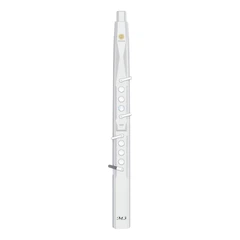
Brand Name: SUNRISE MELODY
Model: XR3000
Timbre: 60 types
Five octaves metal roller
Bluetooth connection
4 fingering modes available to select
