

Electronic wind instruments are a relatively new type of electronic musical instrument that has gained increasing attention and application in recent years. With the continuous progress of technology, electronic wind instruments may have more intelligent and personalized functions and designs in the future. Here are some possible trends:
Intelligent Functions
Timbre Simulation and Synthesis: In the future, electronic wind instruments may have more powerful timbre simulation and synthesis capabilities, enabling them to more realistically mimic the timbres of various traditional instruments and even create entirely new and unique timbres.
Automatic Performance and Accompaniment: Through built-in intelligent algorithms and music databases, electronic wind instruments can achieve automatic performance and accompaniment functions. Users only need to input simple instructions or select a specific music style, and the instrument can automatically play the corresponding melody and accompaniment, providing more creative and performance inspiration for players.
Real-time Feedback and Guidance: With the help of sensors and artificial intelligence technology, electronic wind instruments can monitor the player's playing skills and performance in real time and provide real-time feedback and guidance. For example, it can detect issues such as pitch accuracy, rhythm, and breath control of the player and give corresponding suggestions and improvement methods to help players improve their playing level.
Interconnection with Other Devices: Electronic wind instruments can be interconnected with other electronic devices such as computers, mobile phones, and tablets through wireless technologies such as Bluetooth and Wi-Fi. This makes it more convenient for players to perform music production, arranging, recording, and other operations. At the same time, it also enables remote collaboration and performance with other musicians.
Personalized Designs
Appearance Customization: In the future, electronic wind instruments may provide more appearance customization options, allowing users to choose the instrument's color, material, pattern, etc. according to their own preferences and personalities.
Personalized Playing Interface: Users can personalize the playing interface of electronic wind instruments according to their own playing habits and needs. For example, adjusting the key layout, setting shortcuts, and customizing the display content of the display screen can improve the comfort and efficiency of playing.
Personalized Timbre Library: Users can create and edit their own timbre libraries according to their own music styles and preferences. They can add their favorite timbres, sound effects, samples, etc. to the instrument or download timbre libraries shared by other users from the Internet to achieve more personalized music creation and performance.
Personalized Learning Mode: Electronic wind instruments can provide personalized learning modes and courses according to the user's learning progress and level. For example, for beginners, the instrument can provide basic teaching content and practice pieces; for advanced learners, the instrument can provide more advanced skill training and creative guidance.
Other Aspects
Miniaturization and Portability: With the continuous progress of electronic technology, electronic wind instruments may become more miniaturized and portable, making it convenient for users to play anytime and anywhere.
Sustainable Development: In the future, electronic wind instruments may pay more attention to sustainable development, adopting environmentally friendly materials and energy-saving designs to reduce the impact on the environment.
Application of Virtual Reality (VR) and Augmented Reality (AR) Technologies: Virtual reality and augmented reality technologies can bring a whole new experience to the performance of electronic wind instruments. For example, through VR technology, players can immerse themselves in a virtual music scene for performance; through AR technology, players can see virtual musical scores, notes, and other information in the real environment, improving the accuracy and fun of playing.
Artificial Intelligence Composition: The application of artificial intelligence technology in the field of music creation is becoming more and more extensive. In the future, electronic wind instruments may integrate artificial intelligence composition functions, automatically generating a music melody according to the user's input themes, emotions, styles, and other information, providing more creative inspiration for users.
In conclusion, electronic wind instruments are expected to have more intelligent and personalized functions and designs in the future, bringing more rich and diverse music experiences to music lovers and professional musicians.
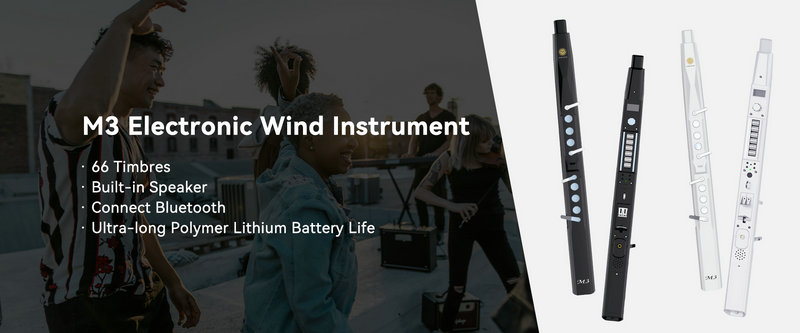
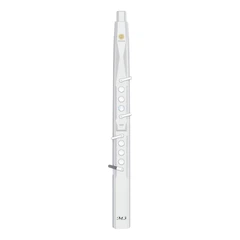
SUNRISE MELODY M3 Electronic Wind Instrument - The best-selling Electronic Wind Instrument
. 66 Timbres
. Built-in Speaker
. Connect Bluetooth
. Ultra-long Polymer Lithium Battery Life