
To choose the appropriate tone of electronic wind instruments according to different music styles, you can consider the following aspects:
Music Genre Characteristics: Different music styles have distinct characteristics. For example:
Classical music often requires a more elegant and refined tone. Instruments like the violin, flute, and clarinet are commonly used, so you can choose electronic wind instrument tones that mimic these traditional instruments.
Jazz music emphasizes improvisation and a rich, warm tone. Saxophones and trumpets are typical instruments in jazz, so you might select corresponding tones.
Pop music has a wide range of styles, but generally, it prefers bright and clear tones. You can consider using tones similar to electric guitars or keyboards.
Emotional Expression: Each music style conveys different emotions. For instance:
Melancholic or sad music may call for a darker, more subdued tone to enhance the emotional atmosphere.
Upbeat and happy music would benefit from a lively, vibrant tone.
Romantic music might require a smooth and gentle tone to express tenderness.
Instrument Simulation: Electronic wind instruments can simulate the sounds of various traditional wind instruments. If you want to create a specific music style that features a particular traditional instrument, you can choose the corresponding tone on the electronic wind instrument. For example, if you're aiming for a folk music style that prominently features the flute, you can select a flute-like tone on the electronic wind instrument.
Personal Preference and Creativity: Your personal musical taste and creative vision also play an important role. Feel free to experiment with different tones and combinations to find the ones that best suit your interpretation of the music and add your unique touch. You might discover unexpected and interesting tone choices that bring a fresh perspective to a particular music style.
Sound Quality and Realism: Consider the quality and realism of the available tones. Some electronic wind instruments offer highly realistic simulations of traditional instruments, while others may have a more synthesized or electronic sound. Depending on the music style and your desired aesthetic, you may prioritize either a very accurate replication of a specific instrument's tone or a more unique and creative electronic sound.
Versatility and Customization: Look for an electronic wind instrument that provides a wide range of tones and allows for some degree of customization or adjustment. This gives you more flexibility to adapt the tone to different music styles and to fine-tune it according to your specific needs. Some instruments may offer features such as adjustable parameters for timbre, attack, decay, and sustain, enabling you to shape the tone to better match the music.
Practice and Experimentation: The best way to determine the most appropriate tone for a particular music style is through practice and experimentation. Play around with different tones and listen to how they blend with the music. Try different combinations and variations to see which ones create the desired effect. Over time, you'll develop a better sense of which tones work well for different styles and be able to make more informed choices.
Refer to Professional Performances and Recordings: Listen to professional musicians' performances and recordings in various music styles. Pay attention to the tones they use and how they contribute to the overall musical experience. This can provide inspiration and guidance for your own tone selection. You can also analyze the instrumentation used in different music genres and use that as a reference when choosing tones for your electronic wind instrument.
Consider the Context and Performance Environment: The context in which the music will be performed can also influence tone selection. For example, if you're playing in a large concert hall, a tone with more projection and presence might be suitable. On the other hand, if you're playing in a small, intimate setting, a softer and more delicate tone could create a more appropriate atmosphere. Additionally, if you're playing with other musicians or in a band, consider how your chosen tone will blend with the other instruments and the overall sound of the ensemble.
Instrument's Capabilities and Limitations: Familiarize yourself with the capabilities and limitations of your specific electronic wind instrument. Some instruments may have a more extensive range of available tones, while others may be more specialized in certain styles or types of sounds. Understanding the instrument's strengths and weaknesses can help you make the most of its tonal options and work around any limitations when choosing tones for different music styles.
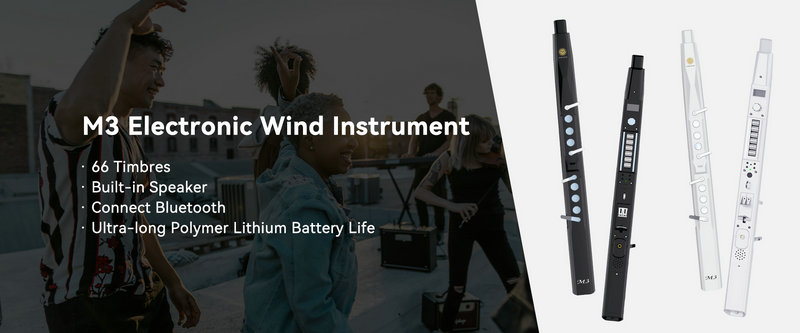
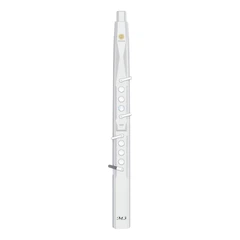
SUNRISE MELODY M3 Electronic Wind Instrument - The best-selling Electronic Wind Instrument
. 66 Timbres
. Built-in Speaker
. Connect Bluetooth
. Ultra-long Polymer Lithium Battery Life