


Why electric wind instruments were produced is a substantial task that would typically involve extensive research and a deep understanding of the history and development of musical instruments. However, I can provide you with a comprehensive overview that touches on the key reasons and developments that led to the creation of electric wind instruments.
Introduction
Electric wind instruments are a category of musical instruments that have evolved from traditional acoustic wind instruments by incorporating electronic components to enhance or modify their sound production. The development of these instruments can be attributed to several factors, including technological advancements, the desire for new sounds in music, and the need for greater versatility in performance settings.
Historical Context
1. The Advent of Electricity: The late 19th and early 20th centuries saw significant advancements in electrical technology, which opened up new possibilities for sound production and amplification.
2. The Jazz Age: The 1920s and 1930s were a time of experimentation in music, and the need for instruments that could be heard over the noise of jazz bands led to the development of early electric instruments.
3. The Rock and Roll Era: The 1950s and 1960s saw the rise of rock and roll, which further pushed the boundaries of what was possible with music. Electric wind instruments began to be used to create new sounds that were not possible with traditional instruments.
Technological Innovations
1. Electronic Amplification: The ability to amplify sound was crucial for electric wind instruments to be heard in larger venues and over electronic amplification systems.
2. Solid-state Electronics: The development of transistors and later integrated circuits allowed for more complex electronic circuits to be incorporated into wind instruments.
3. Digital Signal Processing (DSP): With the advent of digital technology, it became possible to manipulate the sound of wind instruments in ways that were previously unimaginable.
Musical Reasons
1. New Sounds: Musicians were always looking for new sounds to express themselves, and electric wind instruments provided a palette of sounds that were not possible with traditional instruments.
2. Versatility: Electric wind instruments can be used in a wide range of musical genres, from classical to rock, jazz, and electronic music.
3. Ease of Use: Some electric wind instruments are easier to play than their acoustic counterparts, making them more accessible to a wider range of musicians.
Social and Cultural Factors
1. Popular Music: The rise of popular music genres that required instruments to be heard over amplified sound systems drove the development of electric wind instruments.
2. Cultural Shifts: Changes in cultural attitudes towards music and technology also played a role in the acceptance and adoption of electric wind instruments.
3. Globalization: As music became more globalized, the need for instruments that could be easily transported and adapted to different performance situations increased.
The Evolution of Specific Instruments
1. Electric Saxophone: The development of the electric saxophone, which uses a pickup to amplify the sound, allowed for greater flexibility in performance settings.
2. Electronic Valve Instruments: Instruments like the Theremin and Ondes Martenot, which use electronic means to produce sound, were precursors to modern electric wind instruments.
3. Synthesizers: The synthesizer, while not a wind instrument in the traditional sense, has been adapted to mimic the sound and playing techniques of wind instruments.
ConclusionThe production of electric wind instruments was driven by a confluence of technological advancements, musical innovation, and cultural shifts. These instruments have become an integral part of modern music, offering musicians a vast array of new sounds and possibilities for expression.
Future Outlook
As technology continues to evolve, so too will electric wind instruments. We can expect further advancements in sound quality, versatility, and ease of use, as well as the development of entirely new types of electric wind instruments that push the boundaries of what is possible in music.
This overview provides a framework for a more detailed exploration of the topic. Each section could be expanded into a detailed analysis with historical examples, interviews with musicians and instrument designers, and discussions of specific instruments and their impact on music.
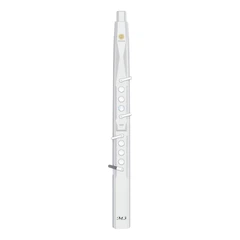
SUNRISE MELODY XR3000 Electronic Saxophone EWI Digital Wind Instrument
4 fingering modes available to select
