

Electric wind instruments present a unique blend of traditional wind instrument playing techniques and modern electronic technology. When it comes to the question of whether they require special mouthpieces or reeds, the answer is often nuanced and depends on several factors.
Mouthpieces
Many electric wind instruments are indeed equipped with their own specialized mouthpieces. These mouthpieces are crafted with precision to work in harmony with the instrument's electronic circuitry and sensors. The design of these mouthpieces takes into account factors such as air flow dynamics, resonance, and the way the player interacts with the instrument.
For example, an electric trumpet might have a mouthpiece that is shaped differently from a traditional trumpet mouthpiece. This could be to optimize the way the player's breath is detected and converted into an electronic signal. The material of the mouthpiece might also be chosen for its acoustic properties and durability. Some electric wind instrument mouthpieces are made from high-tech plastics or composites that offer a unique feel and response.
However, not all electric wind instruments mandate the use of a specific mouthpiece. Some models are designed to be compatible with standard mouthpieces used on acoustic instruments. This can be a significant advantage for players who already own a collection of mouthpieces or who are accustomed to a particular type of mouthpiece. It allows for a seamless transition between playing acoustic and electric instruments without the need to invest in a whole new set of mouthpieces.
Moreover, the choice of mouthpiece can have a profound impact on the playing experience. A well-designed mouthpiece can enhance the instrument's responsiveness, tone quality, and playability. It can also affect the player's comfort and endurance during long practice sessions or performances. Some players might prefer a softer mouthpiece for a more mellow sound, while others might opt for a harder mouthpiece for a brighter and more powerful tone.
Reeds
In the case of reeds, electric wind instruments that mimic reed instruments like saxophones or clarinets often do away with traditional reeds altogether. Instead, they utilize advanced sensor technology to detect the player's breath and fingering inputs. This eliminates the need for the constant maintenance and replacement of reeds that is characteristic of traditional reed instruments.
For instance, an electric sax might use a pressure-sensitive sensor pad or a capacitive sensor to detect the player's breath pressure and embouchure. This not only simplifies the playing process but also offers a more consistent and reliable performance. There is no worry about reeds cracking, warping, or losing their responsiveness over time.
However, some electric wind instruments do offer the option to use a reed-like attachment. These attachments are typically not identical to traditional reeds but are designed to provide a similar tactile experience and response. They might be made from materials such as silicone or rubber and are often adjustable to suit the player's preference.
The decision to use a reed-like attachment or not depends on the player's individual playing style and musical goals. Some players might find that a reed-like attachment helps them maintain a familiar playing feel and technique, while others might prefer the simplicity and consistency of playing without a reed.
It's important to note that even without traditional reeds, players of electric wind instruments still need to develop proper breathing techniques and control. The way air is blown into the instrument plays a crucial role in producing a good sound. Players need to learn how to regulate their breath pressure, speed, and direction to achieve the desired tone and volume.
In conclusion, electric wind instruments may or may not require special mouthpieces or reeds. The availability and necessity of these components depend on the specific design and functionality of the instrument, as well as the preferences of the player. Whether using a specialized mouthpiece or playing without a reed, electric wind instruments offer a unique and exciting musical experience that combines the best of traditional and modern musical technologies.
How do I choose the right mouthpiece for my electric wind instrument?
Can I use reeds with electric wind instruments?
Are there any maintenance or care tips for electric wind instruments?
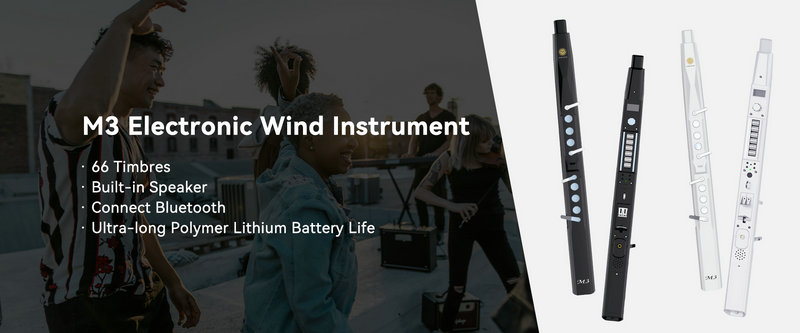
SUNRISE MELODY M3 Electronic Wind Instrument - The best-selling Electronic Wind Instrument
. 66 Timbres
. Built-in Speaker
. Connect Bluetooth
. Ultra-long Polymer Lithium Battery Life