

Electric wind instruments offer a unique and exciting musical experience, but they are not for everyone. Several factors can determine whether an individual may not be the ideal candidate for playing these instruments. This exploration delves into various aspects such as physical limitations, medical conditions, psychological factors, and lifestyle considerations.
Physical Limitations
Hand and Finger Dexterity
Those with significant limitations in hand and finger dexterity may find it challenging to play electric wind instruments. These instruments require the ability to press keys or valves accurately and quickly. For example, individuals with conditions such as arthritis, especially in the hands and fingers, might struggle with the fine motor movements necessary for fingering. The pain and stiffness associated with arthritis can prevent the smooth execution of complex fingerings required for playing melodies and chords.
People who have suffered hand or finger injuries that have resulted in permanent nerve damage or loss of muscle function may also have difficulty. Even a minor loss of dexterity can make it hard to play at an advanced level, as the precise control of keys and valves is crucial for producing the correct notes and achieving a good sound.
Breathing and Lung Capacity
Electric wind instruments, like their traditional counterparts, rely on the player's ability to control the airflow. Those with respiratory disorders such as chronic obstructive pulmonary disease (COPD), asthma, or other conditions that limit lung capacity and breathing control may not be suitable candidates. For instance, during an asthma attack, a person may have difficulty taking in a sufficient and steady stream of air, which is essential for producing a consistent sound on the instrument.
Even individuals with relatively mild breathing impairments might find it exhausting to sustain long notes or play passages that require a lot of air. This can limit their ability to perform certain musical pieces and can also cause physical discomfort or shortness of breath during practice or performance.
Posture and Physical Stamina
Maintaining a correct playing posture is essential for playing electric wind instruments. Those with physical deformities or back problems that prevent them from sitting or standing upright for extended periods may struggle. Poor posture can not only affect the quality of sound production but can also lead to additional physical pain and discomfort during playing.
Physical stamina is also a factor. Playing an electric wind instrument for an extended period, whether during practice or a performance, requires a certain level of physical endurance. People with general physical weakness or those who are easily fatigued may find it difficult to sustain the effort required to play for long enough to develop their skills or participate in musical events.
Medical Conditions
Hearing Impairments
While not an absolute barrier, significant hearing impairments can pose challenges for playing electric wind instruments. A player needs to be able to hear the sound they are producing in order to make adjustments in tone, pitch, and volume. Those with severe hearing loss may have difficulty discerning the nuances of the sound, which can impact their ability to play with expression and musicality.
Even with the use of hearing aids, some frequencies may be difficult to perceive accurately. This can be particularly problematic when trying to blend with other instruments or when playing in an ensemble, as the player may not be able to hear the overall sound balance.
Neurological Disorders
Neurological conditions such as Parkinson's disease can affect a person's motor control, including the ability to control the muscles used for playing an electric wind instrument. The tremors and involuntary movements associated with Parkinson's can make it extremely difficult to hold the instrument steady and perform the necessary finger and breathing movements.
Other neurological disorders that affect coordination or muscle tone can also have a negative impact. For example, individuals with cerebral palsy may have difficulty with the fine motor control and muscle relaxation needed for a good embouchure and smooth key presses.
Psychological Factors
Lack of Patience and Perseverance
Learning to play an electric wind instrument, like any musical instrument, requires a significant investment of time and effort. Those who lack patience may quickly become frustrated with the slow progress in the early stages of learning. For example, beginners often struggle with basic techniques such as producing a clear tone or playing simple melodies without mistakes. Without the patience to work through these difficulties, they may give up before they have a chance to develop their skills.
Perseverance is also crucial when facing challenges such as learning complex pieces or overcoming technical difficulties. People who are easily discouraged by setbacks or who are not willing to put in the consistent practice required may not be suitable for playing these instruments.
Performance Anxiety
Some individuals experience extreme anxiety when performing in front of others. This can be a significant obstacle for those who want to play electric wind instruments, especially if they have aspirations of performing in public or with a group. The physical symptoms of performance anxiety, such as a racing heart, sweaty palms, and a shaky voice, can interfere with the ability to play the instrument effectively.
Even in a practice setting, the fear of making mistakes or not meeting one's own expectations can cause excessive stress. This can lead to a negative feedback loop where the anxiety further impairs performance, making it difficult for the person to progress and enjoy playing the instrument.
Lifestyle Considerations
Lack of Time for Practice
Playing an electric wind instrument well requires regular and consistent practice. Those with extremely busy lifestyles, such as individuals working long hours in demanding jobs or those with multiple family and social commitments, may find it difficult to set aside enough time for practice. Without a dedicated practice schedule, it is challenging to improve one's skills and develop a good playing technique.
Even if a person has a strong interest in playing the instrument, the lack of available time can lead to slow progress and frustration. This can ultimately result in the instrument being neglected and the person losing interest over time.
Unstable Living Conditions
People living in unstable or chaotic environments, such as those experiencing homelessness or living in areas with frequent disruptions (e.g., construction noise, a noisy household), may not be able to provide the quiet and consistent environment needed for practice. The lack of a suitable practice space can prevent them from focusing on learning and improving their playing.
Additionally, those who move frequently may find it difficult to establish a routine for practice and may also be at risk of damage to their instrument during the moving process.
In conclusion, while electric wind instruments offer a world of musical possibilities, there are several factors that can make them less suitable for certain individuals. Physical limitations, medical conditions, psychological factors, and lifestyle considerations all play a role in determining whether a person is likely to succeed and enjoy playing these instruments. However, it's important to note that in some cases, with appropriate adaptations, accommodations, and a strong determination, some of these barriers can be overcome. For example, physical therapy might help improve hand dexterity in some cases, and psychological counseling can assist with performance anxiety. Nevertheless, for those with severe limitations or multiple factors working against them, it may be advisable to explore other musical or creative pursuits that are more accessible given their individual circumstances.
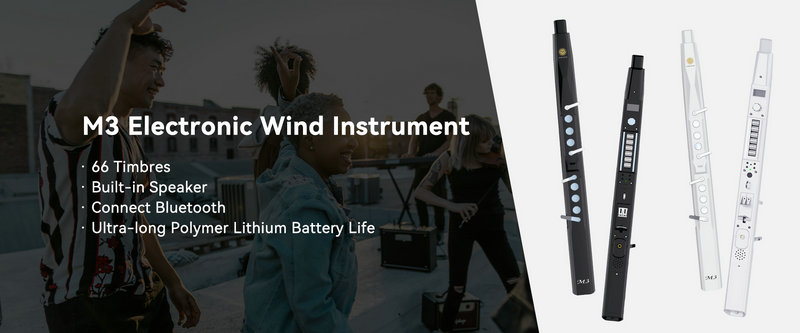
SUNRISE MELODY M3 Electronic Wind Instrument - The best-selling Electronic Wind Instrument
. 66 Timbres
. Built-in Speaker
. Connect Bluetooth
. Ultra-long Polymer Lithium Battery Life