
The world of music is a vast and inclusive one, and electric wind instruments offer a unique and exciting avenue for musical expression. When it comes to the question of whether there is an age limit for learning and playing these instruments, the answer is complex and influenced by multiple factors.
The Youngest Learners: Early Childhood
Starting at a very young age, children as young as three or four can begin to show an interest in music and musical instruments. However, when it comes to electric wind instruments, there are several considerations. At this age, a child's physical development is still in progress. Their hands are small, and they may lack the fine motor skills required to manipulate the keys and buttons of an electric wind instrument effectively. For example, the proper fingering on a saxophone - like electric wind instrument demands a certain level of dexterity that may be beyond the capabilities of a very young child.
Breathing control is another crucial aspect. Young children may not have the lung capacity or the ability to control their breathing in a way that is necessary for producing a consistent sound on an electric wind instrument. Their breathing patterns are often more erratic, and they may not be able to sustain the air flow required for playing notes of different lengths.
That being said, introducing young children to music in a general sense can be highly beneficial. They can start with simple musical activities such as listening to music, singing, and playing with toy instruments. This can lay a foundation for a future interest in learning a more complex instrument like an electric wind instrument.
Middle Childhood: A Prime Time for Learning
As children enter middle childhood, typically around the ages of 6 - 10, they become more suitable candidates for learning electric wind instruments. By this age, their hand - eye coordination and fine motor skills have developed significantly. They are able to press keys, adjust controls, and hold the instrument more comfortably. Their hand size has also increased, making it easier for them to reach the necessary keys and valves.
During this stage, children are also better able to understand and follow instructions. They can start to learn the basic techniques of playing an electric wind instrument, such as proper embouchure (the way the lips are placed on the mouthpiece) and breathing techniques. They can begin with simple melodies and gradually progress to more complex pieces as their skills develop.
Moreover, children at this age are often more receptive to learning new things and have a greater capacity for concentration. They can engage in regular practice sessions, which are essential for improving their playing skills. However, it is important to ensure that the learning process is fun and engaging for them, as they can easily become discouraged if they find it too difficult or boring.
Adolescence: Building on Skills and Exploring Creativity
Adolescence is a stage where many musicians make significant progress in their musical abilities. Teenagers have a greater physical and mental capacity for learning and playing electric wind instruments. Their bodies are more developed, allowing for more advanced techniques such as playing fast passages and using complex breathing patterns.
During adolescence, individuals may also start to develop a deeper understanding of music theory and a sense of musical style. They can experiment with different sounds and effects offered by electric wind instruments, expressing their creativity and individuality. This is the stage where many students might start to participate in school bands, ensembles, or even form their own musical groups.
However, adolescence can also be a challenging time, as teenagers may face distractions such as social pressures and academic demands. It is important for them to manage their time effectively to ensure that they can continue to practice and improve their playing skills.
Adulthood: No Barrier to Learning
There is no upper age limit for learning to play electric wind instruments in adulthood. Many adults take up musical instruments as a hobby or a form of self - expression. Adults have the advantage of greater self - discipline and motivation. They are often able to set clear goals for themselves and work towards achieving them.
For adults who have never played a musical instrument before, starting with an electric wind instrument can be a rewarding experience. They can take lessons from a professional teacher or learn through online tutorials and self - study. Although adults may face some challenges in terms of physical flexibility (especially if they have not been engaged in physical activities regularly), they can overcome these challenges with regular practice.
Moreover, adults bring a wealth of life experiences and emotions to their music. They can use the electric wind instrument as a medium to express their feelings and tell their stories. Whether they are playing for their own enjoyment, in a community band, or in a professional setting, adults can achieve a high level of proficiency in playing electric wind instruments.
The Elderly: Continuing the Musical Journey
Even in old age, people can learn and play electric wind instruments. While there may be some physical limitations due to the natural aging process, such as decreased lung capacity or joint stiffness, many elderly individuals are able to adapt and find ways to play. For example, they can choose instruments that are easier to hold and play, or they can modify their playing techniques to suit their physical abilities.
Playing music in old age has numerous benefits. It can help keep the mind active, improve mood, and provide a sense of purpose and accomplishment. Elderly musicians can participate in senior citizen bands or play for their families and friends, sharing the joy of music with others.
Conclusion
In conclusion, there is no strict age limit for learning and playing electric wind instruments. Each stage of life offers unique opportunities and challenges. From the early years of childhood, where the foundation for a musical interest can be laid, to middle childhood when basic skills are developed, adolescence when creativity blossoms, adulthood when self - discipline and life experiences come into play, and old age when music can bring joy and fulfillment, anyone can embark on the journey of learning an electric wind instrument. The key is to approach the learning process with enthusiasm, patience, and a willingness to adapt to one's physical and mental capabilities at each stage of life. Whether one is a beginner or an experienced musician, the world of electric wind instruments is open to all who are willing to explore it.
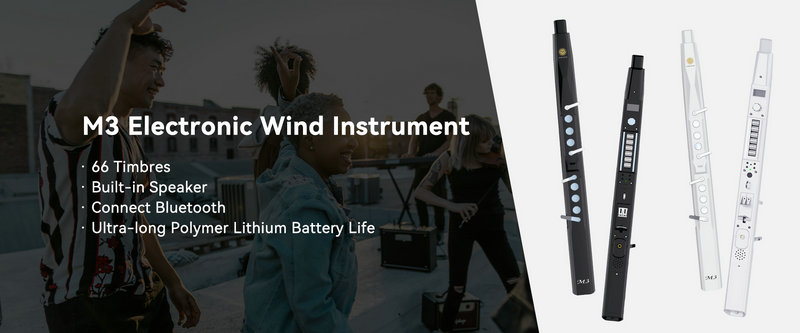
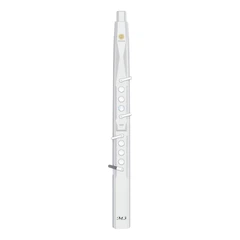
SUNRISE MELODY M3 Electronic Wind Instrument - The best-selling Electronic Wind Instrument
. 66 Timbres
. Built-in Speaker
. Connect Bluetooth
. Ultra-long Polymer Lithium Battery Life