
Key Considerations for Placing Electric Wind Instruments
Proper placement of electric wind instruments is crucial for their longevity, performance, and overall condition. Whether at home, in a studio, or during transportation, several factors need to be taken into account.
At Home Storage
When storing an electric wind instrument at home, the first consideration is the environment. Avoid placing the instrument in areas with extreme temperatures. High temperatures can cause the materials to expand, potentially warping the body or affecting the electronic components. On the other hand, extremely cold temperatures can make the materials brittle. Ideally, the storage area should have a relatively stable temperature, around room temperature (68 - 72 degrees Fahrenheit or 20 - 22 degrees Celsius).
Humidity is another critical factor. Excessively high humidity can lead to the growth of mold and mildew on the instrument, especially in areas such as the mouthpiece or inside the tubing. This can not only damage the instrument's appearance but also affect its sound quality. Conversely, very low humidity can cause the wood (if present in some components) or other materials to dry out and crack. A humidity level between 40% - 60% is generally considered ideal for storing musical instruments.
The location within the home also matters. Avoid placing the instrument near direct sources of heat such as radiators, heating vents, or in direct sunlight. Sunlight can cause fading of the finish and damage to the instrument over time. Also, keep the instrument away from areas with high moisture, such as bathrooms or basements. Instead, choose a dry, well - ventilated area like a closet or a dedicated instrument storage cabinet.
When storing the instrument, it should be placed in its case. The case provides protection from dust, physical impacts, and minor fluctuations in the environment. Make sure the case is clean and free of any debris before placing the instrument inside. If the case has a humidifier or dehumidifier compartment, ensure it is properly maintained according to the manufacturer's instructions.
Studio Placement
In a studio setting, where the instrument is likely to be used frequently, additional considerations come into play. Firstly, ensure that there is enough space around the instrument to avoid accidental bumps or knocks. This is especially important during recording sessions or when other musicians are moving around.
Electromagnetic interference can be a concern in a studio environment with multiple electronic devices. Keep the electric wind instrument away from large speakers, power amplifiers, and other sources of strong electromagnetic fields. These fields can potentially interfere with the instrument's electronic components, causing noise or signal distortion. Place the instrument in an area where it is shielded from such interference as much as possible.
If the studio has a dedicated instrument stand, make sure it is stable and reliable. A wobbly stand can cause the instrument to fall and sustain damage. Some stands are designed specifically for electric wind instruments and offer additional features such as padding to protect the instrument's body and a secure locking mechanism.
During Transportation
Transporting an electric wind instrument requires special care. Always use a high - quality, padded instrument case. The padding should be thick enough to absorb shocks and impacts that may occur during transit. Check the case regularly for any signs of wear and tear, especially in the padding and the zippers or latches.
When loading the instrument into a vehicle, place it in a secure location. Avoid placing it in the trunk where it may be subjected to more extreme temperatures and vibrations. If possible, keep the instrument in the passenger compartment, preferably on the floor or on a seat, secured with a seatbelt or other means to prevent it from moving around.
During air travel, it is essential to follow the airline's regulations regarding musical instruments. Some airlines allow instruments to be carried on board as carry - on luggage, while others may require them to be checked. If checking the instrument, make sure it is properly packed and clearly labeled. Consider using a hard - shell case for added protection.
Long - Term Considerations
For long - term storage, it may be necessary to take additional precautions. If the instrument will not be used for an extended period (several months or more), it is advisable to have it serviced by a professional technician before storage. The technician can check for any potential problems, clean the instrument thoroughly, and make any necessary adjustments.
Periodically check on the instrument during long - term storage. Open the case and inspect the instrument for any signs of damage, mold growth, or changes in its condition. If the humidity or temperature in the storage area has deviated from the ideal range, take steps to correct it. This might involve using a dehumidifier or humidifier in the storage space.
In conclusion, proper placement of electric wind instruments is essential for their care and maintenance. By considering factors such as temperature, humidity, location, and protection during storage, in the studio, and during transportation, musicians can ensure that their instruments remain in optimal condition. This attention to detail not only helps to preserve the instrument's physical integrity but also ensures that it continues to perform at its best, providing years of musical enjoyment.
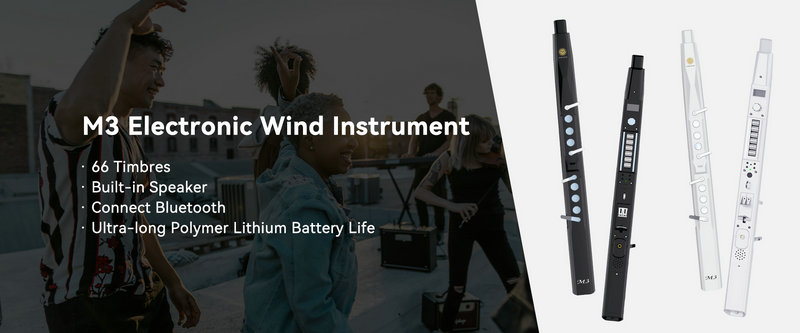
SUNRISE MELODY M3 Electronic Wind Instrument - The best-selling Electronic Wind Instrument
. 66 Timbres
. Built-in Speaker
. Connect Bluetooth
. Ultra-long Polymer Lithium Battery Life