

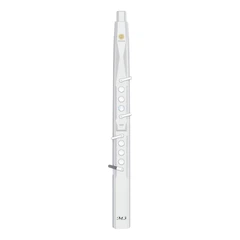

《Proper Storage of Digital Saxophone for Long-Term Non-Use to Ensure Performance and Service Life》
Introduction:
A digital saxophone is a valuable musical instrument that combines advanced technology with the elegance of traditional saxophones. When not in use for an extended period, proper storage is crucial to maintain its performance and extend its service life. In this article, we will explore the best practices for storing a digital saxophone to ensure it remains in excellent condition.
I. Understanding the Digital Saxophone
A. Components and Features
The digital saxophone consists of various components such as the body, keys, mouthpiece, sensor system, electronics, and software. It often comes with additional features like built-in effects, MIDI connectivity, and rechargeable batteries. Understanding these components and features is essential for proper storage.
B. Importance of Proper Storage
Proper storage protects the digital saxophone from damage caused by environmental factors such as humidity, temperature changes, dust, and physical impacts. It also helps maintain the instrument's calibration and functionality, ensuring that it is ready to play when needed.
II. Preparing the Digital Saxophone for Storage
A. Cleaning
Body and Keys
Before storing the digital saxophone, clean the body and keys with a soft, dry cloth. Remove any dirt, dust, or fingerprints to prevent them from causing damage over time. Avoid using harsh chemicals or abrasive materials that could scratch the surface.
Mouthpiece
Clean the mouthpiece thoroughly using a mouthpiece brush and mild soap. Rinse it with clean water and dry it completely before storing. Make sure to remove any moisture from the inside of the mouthpiece to prevent mold or mildew growth.
Sensor System and Electronics
If possible, use a compressed air can to blow away any dust or debris from the sensor system and electronics. Be careful not to damage any delicate components. Avoid using water or liquid cleaners on these parts.
B. Disconnecting and Removing Accessories
Remove any external accessories such as straps, stands, or cases that are not specifically designed for long-term storage. These accessories can take up space and may cause damage if left attached to the instrument.
Disconnect any cables or connections, such as MIDI cables or power cords. Store them separately in a labeled bag or container to prevent tangling and damage.
C. Checking and Adjusting Settings
Check the battery level if the digital saxophone has a rechargeable battery. Charge the battery fully if necessary and then turn off the instrument. This will prevent the battery from draining during storage and potentially causing damage.
Adjust any settings such as volume, tone, or effects to their neutral positions. This will help preserve the instrument's calibration and prevent any unexpected changes when it is taken out of storage.
III. Choosing the Right Storage Location
A. Climate-Controlled Environment
Humidity and Temperature
Store the digital saxophone in a climate-controlled environment with stable humidity and temperature. Avoid areas with high humidity, such as basements or bathrooms, as moisture can damage the instrument's electronics and wood components. Aim for a relative humidity level between 40% and 60% and a temperature range of 60°F to 80°F (15°C to 27°C).
Avoid Extreme Temperatures
Do not store the digital saxophone in areas with extreme temperatures, such as attics or garages. Extreme heat can damage the electronics and cause the wood to warp or crack. Extreme cold can also affect the instrument's performance and may cause condensation to form when it is brought back to a warmer environment.
B. Secure and Protected Location
Dust and Physical Damage
Choose a storage location that is free from dust and physical damage. A closet with a door or a storage cabinet with drawers can provide protection from dust and accidental bumps. Avoid storing the instrument on the floor or in areas where it could be knocked over or stepped on.
Out of Direct Sunlight
Keep the digital saxophone away from direct sunlight, as UV rays can damage the finish and fade the colors. Store it in a location where it will not be exposed to direct sunlight for extended periods.
IV. Using Appropriate Storage Containers
A. Hard Case
Protection and Support
Invest in a high-quality hard case specifically designed for digital saxophones. A hard case provides excellent protection from physical impacts, dust, and moisture. It also helps support the instrument and keep it in proper alignment.
Cushioning and Padding
Look for a case with thick cushioning and padding to absorb shocks and vibrations. The padding should be made of soft materials that will not scratch or damage the instrument. Make sure the case has a secure closure to prevent the instrument from falling out.
B. Soft Case or Gig Bag
Portability and Convenience
If you need a more portable storage option, a soft case or gig bag can be a good choice. These cases are lighter and easier to carry, making them ideal for transporting the instrument to rehearsals or gigs. However, they may not provide as much protection as a hard case.
Additional Features
Some soft cases and gig bags come with additional features such as pockets for accessories, shoulder straps, and rain covers. Consider these features when choosing a storage option based on your needs.
C. Storage Bags or Wraps
Dust Protection
For added protection, you can use a storage bag or wrap made of breathable materials such as cotton or microfiber. These bags or wraps can help protect the instrument from dust and light scratches when stored in a closet or cabinet.
Custom Fit
Look for storage bags or wraps that are specifically designed for digital saxophones to ensure a proper fit. Avoid using plastic bags or wraps, as they can trap moisture and cause damage.
V. Periodic Maintenance and Inspection
A. Check the Instrument Regularly
Visual Inspection
Periodically open the storage container and inspect the digital saxophone for any signs of damage or deterioration. Look for cracks, warping, or discoloration on the body, keys, or mouthpiece. Check for loose screws or parts that may need tightening.
Functionality Check
Test the instrument's functionality by turning it on and playing a few notes. Check for any issues with the sound output, keys, or electronics. If possible, connect the instrument to an amplifier or MIDI device to ensure that all connections are working properly.
B. Clean and Lubricate as Needed
Cleaning
If you notice any dirt or dust on the instrument, clean it using the methods described earlier. Use a soft cloth and mild cleaning solution to remove any stains or marks. Avoid using harsh chemicals or abrasive materials.
Lubrication
Some parts of the digital saxophone, such as the keys and hinges, may require lubrication to ensure smooth operation. Use a specialized saxophone lubricant or a light oil to lubricate these parts as needed. Follow the manufacturer's instructions for proper lubrication.
C. Battery Maintenance
Charge and Discharge
If the digital saxophone has a rechargeable battery, periodically charge and discharge the battery to maintain its health. Avoid leaving the battery fully charged or discharged for extended periods, as this can reduce its lifespan.
Storage Mode
Some digital saxophones have a storage mode that can be activated when the instrument is not in use for a long time. This mode may help preserve the battery and other components. Consult the user manual for instructions on activating storage mode.
Conclusion:
Proper storage of a digital saxophone when not in use for a long time is essential to maintain its performance and service life. By following the steps outlined in this article, you can ensure that your digital saxophone remains in excellent condition and is ready to play whenever you need it. Remember to clean the instrument, choose a suitable storage location and container, and perform periodic maintenance and inspection to keep your digital saxophone in top shape.
SUNRISE MELODY M1 Electronic Wind Instrument
. Revisit the passion and dreams of youth
. M1 electric clarinet wind instrument -- The good news for beginners
. Rich and diverse timbres
. Powerful functions and easy operation
. Perfect after-sales service
