
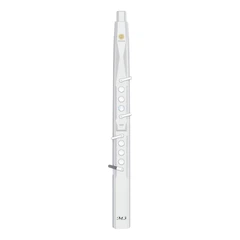


《Unique Playing Techniques and Expressive Methods of Digital Saxophone in Different Music Styles》
Introduction:
The digital saxophone is a versatile instrument that can be used to play a wide variety of music styles. Each music style has its own unique characteristics and demands different playing techniques and expressive methods. In this article, we will explore the unique playing techniques and expressive methods of the digital saxophone in jazz, rock, and pop music styles.
I. Digital Saxophone in Jazz Music
A. Characteristics of jazz music
Jazz music is known for its improvisation, syncopation, and complex harmonies. It often features a wide range of emotions, from smooth and mellow to energetic and wild.
B. Playing techniques
Improvisation
Improvisation is a key element of jazz music. When playing the digital saxophone in jazz, musicians need to be able to spontaneously create melodies and phrases on the spot. This requires a good understanding of jazz harmony, scales, and chord progressions. Musicians can use techniques such as bending notes, adding vibrato, and using different articulations to create unique and expressive solos.
Syncopation
Syncopation is the placement of accents on weak beats or offbeats. In jazz music, syncopation is used to create a sense of rhythm and energy. Digital saxophone players can use syncopated rhythms in their solos and accompaniments to add excitement and drive to the music.
Harmonic exploration
Jazz music often features complex harmonies and chord progressions. Digital saxophone players can explore these harmonies by playing different scales and arpeggios over the chords. They can also use techniques such as chord substitutions and reharmonization to create new and interesting harmonic textures.
C. Expressive methods
Tone color
The tone color of the digital saxophone can be adjusted to suit the mood and style of jazz music. Musicians can use different settings on the instrument to create a warm, mellow tone for ballads or a bright, cutting tone for up-tempo numbers.
Dynamics
Dynamics play an important role in jazz music. Digital saxophone players can use a wide range of dynamics, from soft and delicate to loud and powerful, to express different emotions and intensities.
Expression and phrasing
Jazz music is all about expression and phrasing. Digital saxophone players can use techniques such as legato playing, staccato articulation, and slides to create smooth and flowing phrases or sharp and angular ones. They can also use breath control and vibrato to add expression and emotion to their playing.
II. Digital Saxophone in Rock Music
A. Characteristics of rock music
Rock music is characterized by its driving rhythms, powerful guitars, and energetic vocals. It often features a strong backbeat and a sense of urgency and excitement.
B. Playing techniques
Distortion and effects
In rock music, distortion and effects are often used to create a powerful and aggressive sound. Digital saxophone players can use effects pedals or software to add distortion, overdrive, and other effects to their sound. They can also use techniques such as palm muting and pick scraping to create unique textures and sounds.
Rhythmic playing
Rock music is all about rhythm. Digital saxophone players can use strong rhythmic playing to drive the music forward. They can play tight, syncopated rhythms or use long, sustained notes to create a sense of tension and release.
Solos and fills
Soloing and filling are important elements of rock music. Digital saxophone players can use techniques such as bending notes, using vibrato, and playing fast runs and licks to create exciting solos and fills. They can also use harmony and counterpoint to add depth and complexity to their playing.
C. Expressive methods
Volume and power
Rock music is often played at high volumes, and the digital saxophone needs to be able to cut through the mix. Musicians can use a powerful playing style and strong dynamics to make their presence felt in a rock band.
Aggression and energy
Rock music is all about aggression and energy. Digital saxophone players can use a bold and confident playing style to match the intensity of the music. They can also use effects and distortion to add an extra edge to their sound.
Stage presence
In rock music, stage presence is important. Digital saxophone players can use their body language and movements to engage the audience and add to the excitement of the performance.
III. Digital Saxophone in Pop Music
A. Characteristics of pop music
Pop music is known for its catchy melodies, simple harmonies, and accessible lyrics. It often features a strong beat and a focus on hooks and choruses.
B. Playing techniques
Melodic playing
In pop music, the melody is often the most important element. Digital saxophone players need to be able to play catchy melodies that stick in the listener's head. They can use techniques such as phrasing, dynamics, and vibrato to add expression and emotion to the melody.
Harmony and accompaniment
Pop music often features simple harmonies and chord progressions. Digital saxophone players can use these harmonies to create interesting accompaniments and fills. They can play chords, arpeggios, or use counterpoint to add depth and texture to the music.
Studio recording techniques
Pop music is often recorded in a studio environment. Digital saxophone players need to be familiar with studio recording techniques such as microphone placement, EQ, and compression. They can use these techniques to get the best possible sound for their instrument.
C. Expressive methods
Emotional connection
Pop music is all about making an emotional connection with the listener. Digital saxophone players can use their playing to convey emotions such as happiness, sadness, love, and longing. They can use tone color, dynamics, and expression to create a powerful emotional impact.
Accessibility
Pop music is designed to be accessible to a wide audience. Digital saxophone players need to be able to play in a style that is easy to listen to and understand. They can use simple melodies, clear harmonies, and straightforward rhythms to make their music accessible to everyone.
Versatility
Pop music often combines different elements from different genres. Digital saxophone players need to be versatile and able to adapt to different styles and sounds. They can use different playing techniques and expressive methods to fit in with different pop music arrangements.
Conclusion:
The digital saxophone is a powerful instrument that can be used to play a wide variety of music styles. By understanding the unique characteristics and demands of each music style, digital saxophone players can develop the appropriate playing techniques and expressive methods to create engaging and memorable performances. Whether playing jazz, rock, or pop music, the digital saxophone offers endless possibilities for creativity and expression.
SUNRISE MELODY M1 Electronic Wind Instrument
. Revisit the passion and dreams of youth
. M1 electric clarinet wind instrument -- The good news for beginners
. Rich and diverse timbres
. Powerful functions and easy operation
. Perfect after-sales service


