
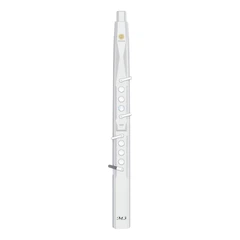


《Methods for Regularly Checking the Performance and Components of a Digital Saxophone》
Introduction:
A digital saxophone is a sophisticated musical instrument that combines traditional saxophone playing techniques with advanced digital technology. To ensure its optimal performance and longevity, it is essential to regularly check its performance and components. In this article, we will discuss the specific methods for regularly checking the performance and components of a digital saxophone.
I. Checking the Performance of a Digital Saxophone
A. Sound Quality
Play a variety of notes and listen for any changes in tone, volume, or clarity. Check for any distortion, buzzing, or other unwanted sounds.
Use a tuner or pitch detection software to ensure that the instrument is in tune. Adjust the tuning if necessary.
Play different dynamics (soft, medium, and loud) to check for consistent sound quality across the range.
B. Responsiveness
Press each key and note to check for quick and accurate response. Look for any sluggishness or delay in sound production.
Check the sensitivity of the keys and controls. Adjust the settings if needed to ensure optimal responsiveness.
Play fast passages and trills to test the instrument's ability to handle rapid playing.
C. Connectivity and Compatibility
If your digital saxophone has connectivity options such as MIDI or Bluetooth, check that these connections are working properly. Connect to other devices and test the transfer of data and control signals.
Ensure that the instrument is compatible with your music software and hardware. Update drivers and firmware if necessary to maintain compatibility.
Check for any interference or dropouts in the connection. Move the instrument to different locations or change the environment to see if the problem persists.
II. Checking the Components of a Digital Saxophone
A. Body and Keys
Inspect the body of the instrument for any cracks, dents, or scratches. Look for signs of wear and tear on the finish.
Check the keys for smooth operation. Press each key and note to ensure that they move freely and return to their original position.
Look for any loose screws or parts. Tighten any loose screws or replace damaged parts as needed.
Clean the body and keys with a soft cloth to remove dust and dirt. Use a mild cleaning solution if necessary, but be careful not to damage the finish.
B. Mouthpiece and Reed
Inspect the mouthpiece for any cracks, chips, or damage. Check the fit of the reed on the mouthpiece.
Replace the reed regularly to ensure optimal sound quality. Choose a reed that is appropriate for your playing style and skill level.
Clean the mouthpiece and reed after each use. Use a mouthpiece brush and mild soap to remove any debris.
Check the alignment of the mouthpiece and reed. Make sure they are properly seated and centered for optimal sound production.
C. Electronics and Controls
Check the battery life if your digital saxophone is battery-powered. Charge the battery as needed and test the instrument's performance on battery power.
Inspect the electronics for any signs of damage or malfunction. Look for loose wires, broken connections, or burned-out components.
Test the controls such as volume, tone, and effects. Ensure that they are working properly and adjust the settings as needed.
Update the software and firmware of the instrument if available. This can improve performance and fix any bugs or issues.
III. Maintenance and Care for a Digital Saxophone
A. Storage
Store the digital saxophone in a case or bag when not in use. This will protect it from dust, moisture, and physical damage.
Keep the instrument in a cool, dry place away from direct sunlight and extreme temperatures. Avoid storing it in areas with high humidity or near heat sources.
Do not stack heavy objects on top of the case or bag. This can damage the instrument or cause it to warp.
B. Cleaning
Clean the instrument regularly with a soft cloth. Remove dust and dirt from the body, keys, and mouthpiece.
Use a mild cleaning solution or specialized saxophone cleaner for stubborn stains or buildup. Follow the manufacturer's instructions for proper cleaning.
Avoid using harsh chemicals or abrasive materials that can damage the finish or components of the instrument.
C. Maintenance
Have the instrument serviced by a professional technician regularly. This can include adjustments, repairs, and cleaning.
Replace worn or damaged parts as needed. Keep spare parts on hand for quick repairs.
Follow the manufacturer's instructions for maintenance and care. This can include lubricating the keys, checking the electronics, and performing other routine tasks.
Conclusion:
Regularly checking the performance and components of a digital saxophone is essential for maintaining its optimal performance and longevity. By following the methods outlined in this article, you can ensure that your instrument is in top condition and ready to play whenever you need it. Remember to take good care of your digital saxophone and it will reward you with years of musical enjoyment.
SUNRISE MELODY M1 Electronic Wind Instrument
. Revisit the passion and dreams of youth
. M1 electric clarinet wind instrument -- The good news for beginners
. Rich and diverse timbres
. Powerful functions and easy operation
. Perfect after-sales service


