


When practicing glissando techniques on digital wind instruments, how can one avoid noise during the glissando process?
Digital wind instruments offer a unique blend of traditional wind instrument playing techniques and modern digital technology. Glissando is a beautiful and expressive technique that can add a touch of magic to your playing. However, achieving a smooth glissando without noise can be a challenge. Here are some tips to help you avoid noise during the glissando process on digital wind instruments.
I. Understanding the Digital Wind Instrument
Before delving into glissando techniques, it's important to have a good understanding of your digital wind instrument. Familiarize yourself with its features, controls, and capabilities. Different digital wind instruments may have different ways of producing glissandos, so it's essential to read the user manual and explore the instrument's settings.
II. Breath Control
Steady and Controlled Breath: A consistent and controlled breath is crucial for a smooth glissando. Practice breathing exercises to develop your breath control. Take deep breaths from the diaphragm and exhale slowly and evenly. This will help you maintain a steady flow of air during the glissando, reducing the chances of noise.
Gradual Breath Changes: As you perform a glissando, make sure to change your breath pressure gradually. Avoid sudden bursts or drops in air pressure, as this can cause unwanted noise. Use smooth transitions in breath pressure to create a seamless glissando.
Breath Support: Develop good breath support by engaging your abdominal muscles. This will give you the strength and control needed to sustain a long glissando without strain or noise. Practice breathing exercises that focus on strengthening your abdominal muscles and improving your breath support.
III. Finger Technique
Smooth Finger Movement: The movement of your fingers on the instrument should be smooth and fluid. Avoid jerky or sudden movements that can cause noise. Practice slow and controlled finger movements to develop the dexterity needed for a smooth glissando.
Finger Pressure: Pay attention to the pressure you apply with your fingers. Too much pressure can cause the keys or pads to make noise. Find the right balance of finger pressure that allows for a clean and silent glissando. Experiment with different levels of pressure to find what works best for your instrument.
Finger Placement: Ensure that your fingers are placed correctly on the keys or pads. Incorrect finger placement can lead to leaks or misaligned notes, resulting in noise. Take the time to familiarize yourself with the proper finger placement for your instrument and practice maintaining it during glissandos.
IV. Instrument Settings and Adjustments
Glissando Speed: Some digital wind instruments allow you to adjust the speed of the glissando. Experiment with different speeds to find the one that sounds best and minimizes noise. A slower glissando may be less likely to produce noise than a faster one, but it also depends on the style and context of your playing.
Filter and Effects Settings: Digital wind instruments often come with various filters and effects that can be adjusted to shape the sound. Experiment with these settings to find a combination that reduces noise and enhances the glissando. For example, a low-pass filter can help smooth out the sound and reduce high-frequency noise.
Tuning and Calibration: Make sure your instrument is properly tuned and calibrated. Incorrect tuning can cause notes to clash or produce unwanted frequencies, resulting in noise. Follow the manufacturer's instructions for tuning and calibration to ensure optimal performance.
V. Practice and Patience
Slow and Steady Practice: Start by practicing glissandos slowly and deliberately. Focus on each aspect of the technique, such as breath control, finger movement, and instrument settings. Gradually increase the speed as you become more comfortable and confident.
Listen and Analyze: Pay close attention to the sound you are producing during glissandos. Listen for any noise or imperfections and try to identify the source. Analyze your technique and make adjustments as needed. Use a recording device to record your practice sessions and listen back to identify areas for improvement.
Be Patient and Persistent: Avoiding noise during glissandos takes time and practice. Don't get discouraged if you don't achieve perfect results immediately. Keep practicing regularly and be patient with yourself. With time and dedication, you will improve your glissando technique and reduce noise.
In conclusion, achieving a smooth glissando without noise on digital wind instruments requires a combination of breath control, finger technique, instrument settings, and practice. By understanding your instrument, developing good breathing habits, refining your finger movements, and experimenting with different settings, you can minimize noise and create beautiful glissandos. Remember to be patient and persistent in your practice, and listen carefully to the sound you are producing. With time and effort, you will master the art of glissando on digital wind instruments.
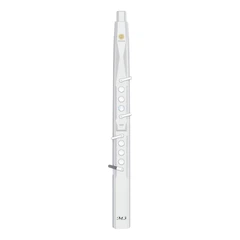
SUNRISE MELODY M1 Electronic Wind Instrument
. Revisit the passion and dreams of youth
. M1 electric clarinet wind instrument -- The good news for beginners
. Rich and diverse timbres
. Powerful functions and easy operation
. Perfect after-sales service
