
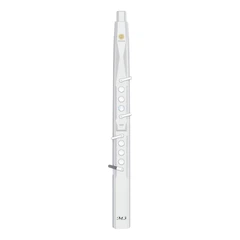


What are the maintenance methods for electric saxophones?
The electric saxophone is a unique musical instrument that combines traditional saxophone playing techniques with modern electronic technology. To ensure its optimal performance and longevity, proper maintenance is essential. Here are some detailed maintenance methods for electric saxophones.
I. Regular Cleaning
External Cleaning:
Wipe the exterior of the electric saxophone with a soft, dry cloth regularly to remove dust and dirt. Avoid using abrasive materials that could scratch the surface.
For stubborn stains, you can use a mild cleaning solution specifically designed for musical instruments. Dampen a soft cloth with the solution and gently wipe the affected area. Be sure to rinse the cloth thoroughly and wipe the instrument again with a clean, dry cloth to remove any residue.
Pay special attention to the keys and buttons. Use a small brush or cotton swab to clean the crevices and remove any debris that may accumulate.
Internal Cleaning:
After each use, it is important to clean the inside of the electric saxophone. Use a cleaning rod with a soft cloth or swab attached to it to wipe down the bore. This will remove moisture and any residue left from playing.
For more thorough cleaning, you can use a specialized bore cleaner. Follow the instructions on the cleaner carefully to ensure safe and effective use.
Be careful not to damage the internal components of the instrument while cleaning. Avoid using excessive force or inserting objects too deeply into the bore.
II. Care for the Mouthpiece
Cleaning:
The mouthpiece is an important part of the electric saxophone and requires regular cleaning. Remove the mouthpiece from the instrument and rinse it with warm water. Use a mild soap if necessary, but be sure to rinse it thoroughly to remove all soap residue.
Use a small brush or pipe cleaner to clean the inside of the mouthpiece. Pay attention to the tip and the chamber, as these areas are prone to accumulate debris.
Dry the mouthpiece thoroughly with a soft cloth before reattaching it to the instrument.
Maintenance:
Inspect the mouthpiece regularly for signs of wear and damage. Check for cracks, chips, or deformities. If you notice any issues, it is advisable to replace the mouthpiece to ensure optimal playing performance.
Store the mouthpiece in a protective case when not in use to prevent damage. Avoid leaving it exposed to extreme temperatures or humidity.
III. Battery Care (If Applicable)
Charging:
If your electric saxophone is battery-powered, follow the manufacturer's instructions for charging the battery. Use the recommended charger and avoid overcharging or undercharging the battery.
Charge the battery in a safe location away from heat sources and flammable materials. Do not leave the battery charging unattended for extended periods.
Storage:
When not in use for an extended period, remove the battery from the instrument and store it in a cool, dry place. This will help prolong the battery's lifespan and prevent damage.
Check the battery regularly for signs of swelling, leakage, or other damage. If you notice any issues, replace the battery immediately.
IV. Handling and Storage
Handling:
Handle the electric saxophone with care to avoid dropping or bumping it. Use a proper case or bag when transporting the instrument to protect it from damage.
Avoid exposing the instrument to extreme temperatures, humidity, or direct sunlight. These conditions can damage the electronic components and affect the instrument's performance.
Storage:
Store the electric saxophone in a dry, cool place when not in use. Use a proper instrument case or storage bag to protect it from dust, moisture, and other environmental factors.
Avoid storing the instrument in areas where it may be subjected to pressure or impact, such as under heavy objects or in crowded storage spaces.
V. Regular Inspections
Check for Loose Parts:
Periodically inspect the electric saxophone for loose screws, keys, or other parts. Tighten any loose components as needed to ensure proper functioning and stability.
Use a small screwdriver or wrench to tighten screws, being careful not to overtighten and damage the instrument.
Inspect Electronic Components:
If your electric saxophone has electronic components, such as switches, knobs, or connectors, inspect them regularly for signs of damage or malfunction. Clean the contacts if necessary using a mild cleaning solution and a soft cloth.
Check the cables and connections for any signs of wear or damage. Replace any damaged cables or connectors to ensure proper electrical conductivity.
VI. Professional Maintenance
Regular Tuning and Adjustment:
Have your electric saxophone tuned and adjusted by a professional musician or instrument technician on a regular basis. This will ensure that the instrument is in proper working order and produces accurate pitches.
Tuning and adjustment may include checking the intonation, adjusting the keys and pads, and ensuring proper air flow through the instrument.
Repair and Maintenance Services:
In case of any major damage or malfunction, it is advisable to seek professional repair services. Do not attempt to repair the instrument yourself unless you have the necessary skills and knowledge.
Look for a reputable instrument repair shop or technician who specializes in electric saxophones. They will be able to diagnose and repair any issues quickly and effectively.
In conclusion, proper maintenance of an electric saxophone is essential for ensuring its optimal performance and longevity. By following these maintenance methods, you can keep your instrument in excellent condition and enjoy many years of musical enjoyment. Remember to handle the instrument with care, clean it regularly, and seek professional maintenance when needed.
SUNRISE MELODY M1 Electronic Wind Instrument
. Revisit the passion and dreams of youth
. M1 electric clarinet wind instrument -- The good news for beginners
. Rich and diverse timbres
. Powerful functions and easy operation
. Perfect after-sales service


