

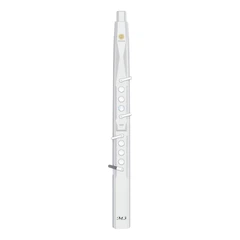

When playing an electronic wind instrument, how can one use breath?
The electronic wind instrument is a unique musical instrument that combines traditional wind instrument playing techniques with advanced electronic technology. To play this instrument well, proper use of breath is essential. In this article, we will explore in detail how to use breath when playing an electronic wind instrument.
I. Understanding the Importance of Breath in Electronic Wind Instrument Playing
Breath is the power source for playing any wind instrument, and the electronic wind instrument is no exception. The way we use breath directly affects the sound quality, expressiveness, and overall performance of the instrument.
Sound quality: A good breath control can produce a clear, rich, and full-bodied sound. By adjusting the strength, speed, and duration of the breath, we can create different tones and dynamics, adding depth and texture to our music.
Expressiveness: Breath control allows us to add emotional nuances to our playing. We can use breath to create smooth transitions between notes, express different moods and feelings, and bring the music to life.
Technical proficiency: Proper breath control is crucial for mastering advanced techniques such as long tones, legato playing, staccato, and vibrato. It helps us maintain stability and control while playing fast passages and complex rhythms.
II. Basic Breath Control Techniques for Electronic Wind Instrument Playing
Deep breathing: Before playing, take a few moments to relax and breathe deeply. Fill your lungs completely from the diaphragm, not just the upper chest. This will give you a larger reservoir of air and more control over your breath.
Breath support: Use your abdominal muscles to support your breath. As you play, contract your abdominal muscles to push the air out steadily. This will help you maintain a consistent air flow and avoid running out of breath quickly.
Breath control for different dynamics: To play soft (pianissimo) sounds, use a light breath pressure and a slower air flow. For loud (fortissimo) sounds, increase the breath pressure and speed. Practice gradations of dynamics to develop control over your breath.
Breath control for long tones: When playing long tones, focus on maintaining a steady air flow and consistent pressure. Use your abdominal muscles to support the breath and avoid wavering or fading out. Practice holding long tones for extended periods to build endurance.
III. Advanced Breath Control Techniques for Electronic Wind Instrument Playing
Breath articulation: Use your breath to start and stop the sound cleanly. This can be done by using a quick burst of air (tonguing) or by cutting off the air flow with your lips or tongue. Practice different articulation techniques to add clarity and precision to your playing.
Breath vibrato: Create a vibrato effect by subtly varying the air flow and pressure. This can be done by wiggling your abdominal muscles or by using your diaphragm to create a pulsating effect. Practice different types of vibrato to add warmth and expressiveness to your sound.
Breath dynamics and phrasing: Use breath control to shape the phrases and dynamics of your music. For example, you can use a crescendo (gradual increase in volume) by gradually increasing the breath pressure, or a diminuendo (gradual decrease in volume) by reducing the breath pressure. Use breath to create smooth transitions between notes and phrases.
Breath control for special effects: Experiment with different breath techniques to create special effects such as growls, flutters, and multiphonics. These effects can add a unique and creative dimension to your playing.
IV. Developing Breath Control through Practice
Breathing exercises: Incorporate breathing exercises into your daily practice routine. These can include deep breathing exercises, diaphragmatic breathing exercises, and breathing exercises for stamina and control.
Long tone practice: Spend time practicing long tones to develop your breath control and endurance. Start with slow, steady breaths and gradually increase the duration and difficulty of the long tones.
Dynamic range practice: Practice playing different dynamics to develop your control over breath pressure and air flow. Start with soft sounds and gradually increase the volume to loud sounds, then back down again.
Articulation practice: Practice different articulation techniques to improve your clarity and precision. Start with simple tonguing exercises and gradually progress to more complex articulation patterns.
Phrasing and dynamics practice: Practice playing phrases with different dynamics and phrasing to develop your musical expression. Use breath control to shape the phrases and add emotional nuances.
V. Tips for Improving Breath Control When Playing Electronic Wind Instrument
Listen to yourself: Pay attention to the sound you are producing and how your breath is affecting it. Listen for any wavering, fading out, or inconsistent sounds and adjust your breath accordingly.
Record yourself: Record your playing and listen back to it. This will help you identify areas where you need to improve your breath control and make adjustments.
Practice with a metronome: Use a metronome to practice playing with a steady tempo. This will help you develop your breath control and timing, as well as improve your overall rhythm and accuracy.
Seek feedback: Ask a teacher, mentor, or fellow musician for feedback on your playing. They can offer valuable insights and suggestions for improving your breath control and overall performance.
Relax and stay focused: When playing, stay relaxed and focused on your breath. Avoid tensing up or getting distracted, as this can affect your breath control and performance.
In conclusion, proper use of breath is essential for playing an electronic wind instrument well. By understanding the importance of breath control, mastering basic and advanced techniques, and developing your breath control through practice, you can improve your playing and create beautiful music. Remember to listen to yourself, record your playing, seek feedback, and stay relaxed and focused. With dedication and practice, you can become a master of breath control and take your electronic wind instrument playing to the next level.
SUNRISE MELODY M1 Electronic Wind Instrument
. Revisit the passion and dreams of youth
. M1 electric clarinet wind instrument -- The good news for beginners
. Rich and diverse timbres
. Powerful functions and easy operation
. Perfect after-sales service
