

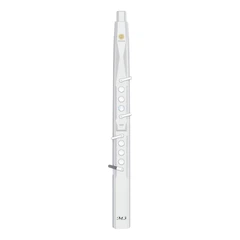

Aerophone instruments, which rely on the player's breath to produce sound, require a high level of breath control for optimal performance. Whether it's a traditional wind instrument like a flute, clarinet, or saxophone, or a more modern electronic wind instrument, proper breath control is essential for creating beautiful music. In this article, we will explore the importance of breath control for aerophone instruments and provide practical tips and techniques for improving your breath control skills.
I. Introduction to Aerophone Instruments
Aerophone instruments are a diverse group of musical instruments that produce sound by vibrating air. This category includes woodwind instruments such as flutes, clarinets, and saxophones, brass instruments like trumpets, trombones, and French horns, and even some electronic instruments that mimic the sound of traditional aerophones. The common factor among all these instruments is the need for the player to control their breath to create different pitches, dynamics, and expressions.
II. The Importance of Breath Control
Pitch Control
One of the most crucial aspects of playing an aerophone instrument is controlling the pitch. The player's breath directly affects the frequency of the vibrating air column within the instrument, which determines the pitch of the sound produced. By adjusting the speed, pressure, and direction of the breath, the player can produce accurate pitches and play in tune.
For example, on a flute, a gentle and steady breath will produce a lower pitch, while a more forceful breath will result in a higher pitch. Similarly, on a brass instrument, the player can use their breath to control the tension of the lips and adjust the pitch accordingly.
Dynamics and Expression
Breath control also plays a vital role in creating dynamics and expressing emotions through music. By varying the strength and volume of the breath, the player can produce soft (pianissimo) and loud (fortissimo) sounds, as well as a wide range of gradations in between.
For instance, a soft breath can create a delicate and intimate atmosphere, while a powerful breath can add drama and intensity to a performance. Additionally, the player can use breath control to shape phrases, add accents, and create nuances in the music, enhancing its expressiveness.
Endurance and Stamina
Playing an aerophone instrument requires a significant amount of physical effort, especially when it comes to controlling the breath. Proper breath control techniques can help the player conserve energy and build endurance, allowing them to play for longer periods without getting tired.
By breathing efficiently and using the diaphragm and abdominal muscles to support the breath, the player can maintain a steady air supply and avoid fatigue. This is particularly important for musicians who perform in long concerts or rehearsals.
III. Basic Breath Control Techniques
Diaphragmatic Breathing
Diaphragmatic breathing is the foundation of good breath control for aerophone instruments. Instead of breathing only with the chest, as we do in normal breathing, diaphragmatic breathing involves using the diaphragm, a large muscle located at the base of the rib cage.
To practice diaphragmatic breathing, lie on your back with one hand on your chest and the other on your abdomen. As you inhale slowly through your nose, feel your abdomen rise and your chest remain relatively still. As you exhale through your mouth, feel your abdomen fall. This exercise helps you develop awareness of your diaphragm and learn to use it to control your breath.
Slow and Controlled Breathing
Once you have mastered diaphragmatic breathing, practice slow and controlled breathing exercises. Inhale deeply through your nose, counting to a certain number (e.g., four counts), and then exhale slowly through your mouth, counting to the same number. Gradually increase the count as you become more comfortable with the exercise.
This exercise helps you develop control over your breath and improve your ability to maintain a steady air flow. It also helps you relax and focus on your breathing, which is essential for playing an aerophone instrument.
Breath Support
Breath support refers to the use of the abdominal muscles to support the breath and maintain a steady air pressure. To practice breath support, stand or sit up straight and place your hands on your abdomen. As you inhale, feel your abdomen expand, and then as you exhale, contract your abdominal muscles to push the air out.
This exercise helps you develop the strength and control needed to play with power and precision. It also helps you avoid collapsing your abdomen and losing breath support, which can lead to weak and inconsistent sounds.
IV. Advanced Breath Control Techniques
Breath Gradation
Breath gradation involves gradually increasing or decreasing the volume and intensity of the breath to create smooth transitions between different dynamics. To practice breath gradation, start by playing a soft note and gradually increase the volume by increasing the breath pressure. Then, gradually decrease the volume back to soft.
Repeat this exercise with different dynamics and note lengths to develop your ability to control the breath and create seamless transitions. This technique is particularly useful for playing expressive and nuanced music.
Tongue and Breath Coordination
Tongue and breath coordination is essential for playing fast passages and articulating notes clearly. To practice this technique, start by playing a simple scale or arpeggio, using the tongue to start each note cleanly. As you play, pay attention to the timing and strength of your tongue strokes and coordinate them with your breath.
For example, on a woodwind instrument, you can use a light tongue stroke for staccato notes and a more sustained tongue stroke for legato passages. Experiment with different combinations of tongue and breath to find what works best for you.
Circular Breathing
Circular breathing is a advanced technique that allows the player to maintain a continuous sound without interruption. This technique is commonly used by professional musicians in long solos or complex compositions.
To practice circular breathing, start by filling your cheeks with air and then exhaling through the instrument while simultaneously inhaling through your nose. As you inhale, transfer the air from your cheeks to your lungs and continue playing. With practice, you can learn to do this seamlessly and maintain a continuous sound.
V. Tips for Improving Breath Control
Practice Regularly
Like any skill, breath control requires regular practice to improve. Set aside time each day to practice breathing exercises and play scales, arpeggios, and simple melodies with focus on your breath control.
Consistency is key, so try to practice at the same time each day to establish a routine. Over time, you will notice significant improvement in your breath control skills.
Listen and Analyze
Listen to professional musicians play aerophone instruments and pay attention to their breath control. Notice how they use dynamics, expression, and phrasing to create beautiful music. Analyze their techniques and try to incorporate them into your own playing.
You can also record yourself playing and listen back to identify areas where you need to improve your breath control. This will help you become more aware of your own playing and make targeted improvements.
Work with a Teacher
If possible, work with a qualified music teacher who can provide personalized instruction and feedback on your breath control. A teacher can help you identify areas where you need improvement, provide specific exercises and techniques to address those areas, and monitor your progress over time.
A teacher can also help you develop a practice routine and provide motivation and encouragement as you work towards improving your breath control.
Stay Relaxed and Focused
Playing an aerophone instrument requires a high level of concentration and relaxation. When you are tense, your breathing becomes shallow and irregular, which can affect your playing.
Take deep breaths and relax your body before playing. Focus on your breathing and try to stay calm and centered. Avoid overthinking or getting frustrated, and trust your instincts and training.
In conclusion, breath control is a crucial skill for playing aerophone instruments. By mastering the basic and advanced techniques of breath control and incorporating them into your daily practice, you can improve your playing and create beautiful music. Remember to practice regularly, listen and analyze, work with a teacher, and stay relaxed and focused. With dedication and perseverance, you can develop excellent breath control and take your playing to the next level.
SUNRISE MELODY M1 Electronic Wind Instrument
. Revisit the passion and dreams of youth
. M1 electric clarinet wind instrument -- The good news for beginners
. Rich and diverse timbres
. Powerful functions and easy operation
. Perfect after-sales service
