
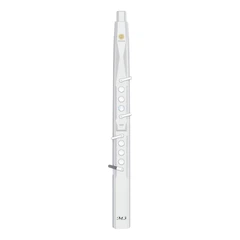


Introduction
Electronic blowing instruments have revolutionized the music world with their unique capabilities and versatility. They combine the traditional art of blowing and fingering with advanced electronic technology, offering musicians a wide range of sounds and possibilities. Whether you are a beginner or an experienced player, understanding the proper techniques and precautions is crucial for achieving excellent performance and maintaining the instrument in good condition.
Techniques for Playing Electronic Blowing Instruments
Breath Control
Deep Breathing Exercises
One of the fundamental techniques is mastering proper breath control. Start by practicing deep breathing exercises. Inhale slowly through the nose, filling the lungs from the diaphragm, not just the upper chest. This allows for a more sustained and powerful air supply. For example, when playing a long note, a deep breath provides the necessary air to keep the sound consistent and strong throughout.
Hold the breath for a few seconds to get a sense of control, and then exhale slowly and evenly through the mouthpiece of the instrument. This helps in developing the ability to control the air flow precisely, which is essential for accurate pitch and tone production.
Breath Support
Use the diaphragm as the main support for breath. Contract the abdominal muscles to push the air out steadily. This gives the sound more stability and power. When playing fast passages, proper breath support allows for quick and efficient air replenishment without interrupting the rhythm. Practice by playing short, staccato notes and then longer, legato phrases, focusing on maintaining a consistent air pressure.
Breath Dynamics
Learn to control the dynamics of your playing through breath. By adjusting the force and speed of the air, you can create soft (pianissimo) and loud (fortissimo) sounds. For a soft sound, reduce the air flow and use a lighter breath pressure. To play loudly, increase the air speed and force. This adds expressiveness to your music and makes it more engaging.
Finger Technique
Accurate Finger Placement
Ensure that your fingers are placed correctly on the keys or buttons of the instrument. Each finger should be in a position where it can easily press the corresponding control without strain. Practice basic finger patterns and scales to build muscle memory and improve finger dexterity. For example, when playing a chromatic scale, the fingers should move smoothly and quickly between the notes.
Finger Independence
Work on developing finger independence. This means that each finger can move and operate independently without affecting the others. Exercises like playing single notes with each finger in turn, gradually increasing the speed, help to strengthen finger independence. It is important for playing complex melodies and fast passages where multiple fingers need to move simultaneously but with precision.
Tonguing and Fingering Coordination
Coordinate your tongue movements with fingerings. Tonguing helps to start the notes cleanly. For single notes, use a simple tongue stroke at the beginning of each note. When playing rapid passages, use appropriate tonguing techniques such as double or triple tonguing to maintain clarity and speed. The combination of accurate fingering and proper tonguing results in a more polished performance.
Sound Manipulation
Using Electronic Controls
Familiarize yourself with the various electronic controls on the instrument. These may include knobs for adjusting tone color, pitch bend wheels, and buttons for activating different effects. Experiment with different settings to create unique sounds. For example, you can use the pitch bend to add glissandos or create a more expressive melody.
Exploring Sound Libraries
Many electronic blowing instruments come with built-in sound libraries. Take the time to explore these sounds and understand how they can be used in different musical contexts. You might find sounds that mimic traditional woodwind or brass instruments as well as completely synthesized and unique sounds. Incorporate these different sounds into your playing to add variety and interest.
Sound Layering
Try layering different sounds on top of each other. This can create a rich and textured sonic palette. For instance, you could layer a smooth flute-like sound with a distorted electronic effect for a futuristic and experimental sound. Experiment with different combinations to find what works best for your musical ideas.
Precautions for Playing Electronic Blowing Instruments
Instrument Care
Cleaning
Regularly clean the instrument to maintain its functionality and sound quality. Use a soft, dry cloth to wipe down the exterior after each use to remove dust and moisture. For the mouthpiece, use a mild detergent and warm water to clean it gently. Avoid using harsh chemicals that could damage the instrument's finish or internal components.
Storage
Store the instrument in a cool, dry place away from direct sunlight and extreme temperatures. Use a proper case or bag to protect it from bumps and scratches. If possible, keep it in a case with humidity control packs to prevent damage from moisture buildup. When not in use for an extended period, remove the batteries (if applicable) to prevent leakage and corrosion.
Battery Management
If the instrument uses batteries, make sure to use the correct type and follow the manufacturer's instructions for charging and replacing them. Avoid using low-quality or expired batteries, as they can cause performance issues or even damage the instrument's circuitry. Keep spare batteries on hand for when needed.
Health Considerations
Posture
Maintain good posture while playing to avoid muscle strain and fatigue. Stand or sit upright with your shoulders relaxed and your instrument at a comfortable height and angle. Poor posture can lead to back, neck, and shoulder pain over time. Take breaks regularly to stretch and relax your muscles.
Mouth and Throat Health
Drink plenty of water before and during playing to keep your mouth and throat hydrated. This helps in producing a better sound and reduces the risk of dryness and irritation. Avoid excessive blowing force that could strain your vocal cords. If you experience any discomfort or pain in your mouth or throat, take a break and consult a healthcare professional if the problem persists.
Ear Protection
In some cases, especially when playing at high volumes or in close proximity to amplified sound, it is important to wear ear protection. Prolonged exposure to loud sounds can cause hearing damage. Use earplugs or earmuffs that are designed for musicians to reduce the risk while still allowing you to hear your instrument clearly.
Electronic Interference
Avoiding Interference Sources
Keep the instrument away from sources of electronic interference such as microwaves, cell phones, and other wireless devices. These can cause unwanted noise or disrupt the instrument's signal. When performing in a venue with multiple electronic devices, try to position yourself away from potential interference.
Cable Management
If using cables to connect the instrument to amplifiers or other equipment, make sure the cables are properly routed and not tangled. Damaged or poorly connected cables can result in signal loss or noise. Use high-quality cables and check them regularly for any signs of wear or damage.
In conclusion, playing an electronic blowing instrument requires a combination of proper techniques and careful attention to precautions. By mastering the skills of breath control, finger technique, and sound manipulation, and by taking good care of the instrument and your own well-being, you can enjoy creating beautiful music with this unique and exciting instrument. With practice and dedication, you can continuously improve your performance and explore the vast possibilities that electronic blowing instruments offer.
SUNRISE MELODY M1 Electronic Wind Instrument
. Revisit the passion and dreams of youth
. M1 electric clarinet wind instrument -- The good news for beginners
. Rich and diverse timbres
. Powerful functions and easy operation
. Perfect after-sales service


