

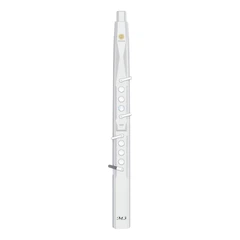

Electronics play a pivotal role in electric wind instruments (EWIs), transforming the way musicians create and interact with music. The integration of electronic components allows these instruments to offer a fusion of traditional acoustic performance and modern digital capabilities.
Enhancing Musical Expression
Electronics in EWIs enable a wide range of expressive controls that go beyond the capabilities of traditional wind instruments. Features such as pitch bend, modulation, and dynamic control allow musicians to manipulate the sound in real-time, offering a high level of expressiveness.
Versatility in Sound
One of the most significant roles of electronics in EWIs is the ability to emulate a multitude of sounds. Musicians can switch between different timbres, from traditional instruments like saxophones and flutes to more experimental electronic sounds, all from a single device. This versatility opens up new creative possibilities and allows musicians to explore various genres without the need for multiple physical instruments.
Ease of Use and Accessibility
Electronic wind instruments often have a more accessible learning curve compared to traditional wind instruments. The electronic components can provide immediate feedback and allow for adjustments in fingering and embouchure, making it easier for beginners to start playing and mastering the instrument.
Connectivity and Integration
The electronic nature of EWIs allows for seamless integration with other digital music tools. Musicians can connect EWIs to computers, tablets, and other devices, enabling the use of accompaniment tracks, digital sheet music, and music production software. This connectivity also facilitates remote performances and collaborations, expanding the reach of live music.
Innovation in Design
Electronic wind instruments often feature innovative designs that prioritize user experience. For example, the SUNRISE MELODY EWI stands out with its modern design, expressive control capabilities, and a flexible sound engine.The SUNRISE MELODY M3 model, for instance, offers 66 different timbres and features such as Bluetooth connectivity, a five-octave metal roller, and a variety of fingering modes.This model also includes a silicone material mouthpiece with air-pressure and bite sensors for precise control over volume and pitch dynamics, making it both intuitive for traditional wind players and appealing to those seeking new expressive opportunities.
Conclusion
The role of electronics in electric wind instruments is multifaceted, enhancing musical expression, expanding creative horizons, and making music more accessible. As technology continues to evolve, EWIs like the SUNRISE MELODY are set to push the boundaries of musical expression and creativity, offering musicians a tool that bridges the gap between tradition and innovation.
XR3000 Electronic Saxophone EWI Digital Wind Instrument
Brand Name: SUNRISE MELODY
Model: XR3000
Timbre: 60 types
Five octaves metal roller
Bluetooth connection
4 fingering modes available to select
