
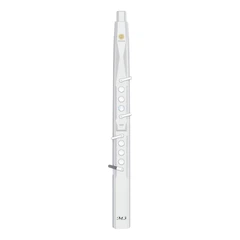


The mouthpiece of an electric wind instrument is a crucial component that bridges the traditional feel of wind instruments with modern electronic technology. It is designed to respond to the player's breath and lip pressure, much like a traditional woodwind or brass instrument. Here's a detailed look at how it works and its significance in electric wind instruments:
1. Breath-activated Sound Production: When a player blows into the mouthpiece, the air pressure is detected by a sensor. This sensor, often a diaphragm or a similar mechanism, translates the airflow into electronic signals that the instrument's sound engine can interpret. The harder the player blows, the louder the sound produced, mimicking the dynamics of an acoustic instrument .
2. Mouthpiece Sensors: Many electric wind instruments feature advanced sensors in their mouthpieces. These can include air pressure sensors that control volume and pitch dynamics, as well as bite sensors that detect the pressure exerted by the player's lips on the mouthpiece. This allows for expressive control over the sound, enabling the player to create nuances similar to those on a traditional wind instrument .
3. Fingerings and Embouchure: The mouthpiece is designed to fit comfortably in the player's mouth, allowing for proper embouchure, which is the way the lips and facial muscles are positioned to control the sound. The fingerings on the instrument correspond to those on traditional wind instruments, allowing musicians to use their existing skills to play the electric version .
4. Silicone Material: Some electric wind instruments use silicone material for the mouthpiece, which is both responsive and easy to clean. This material can provide a more hygienic option compared to traditional metal mouthpieces and can offer a similar feel to playing an acoustic instrument .
5. Expressive Control: The mouthpiece, along with the rest of the instrument, allows for a wide range of expressive techniques. Players can control dynamics, pitch bends, and other performance parameters, providing the ability to add vibrato and other nuances to their playing .
6. SUNRISE MELODY Electric Wind Instruments: As an example, the SUNRISE MELODY M3 electric wind instrument features a silicone material mouthpiece with air-pressure and bite sensors to control volume and pitch dynamics precisely. This instrument is designed for beginners and amateur musicians, offering an enjoyable musical adventure with its easy-to-learn design and 66 different timbres . The brand also offers other models like the XR3000, which provides 60 types of timbres and supports various fingering modes, showcasing the versatility and technological integration in electric wind instruments .
In summary, the mouthpiece of an electric wind instrument is a sophisticated piece of technology that captures the essence of traditional wind playing while integrating it with the digital world of sound production. It allows musicians to express themselves creatively and adapt to a wide range of musical styles and genres.
Brand Name: SUNRISE MELODY
Model: XR3000
Timbre: 60 types
Five octaves metal roller
Bluetooth connection
4 fingering modes available to select


