


The Importance of Wind Controller Maintenance and Upkeep
Wind controllers are integral to the efficient operation of wind turbines, ensuring that these renewable energy systems run safely and effectively. Proper maintenance of wind controllers is crucial for several reasons:
1. Optimal Performance: Regular maintenance helps in maintaining the optimal performance of the wind turbine by ensuring that the controller functions as intended, thereby maximizing energy capture and conversion.
2. Safety: It ensures the safety of the turbine and its surroundings by preventing malfunctions that could lead to accidents.
3. Reliability: A well-maintained controller reduces the risk of unexpected failures, thereby increasing the reliability of the wind turbine.
4. Extended Lifespan: Proper upkeep can extend the lifespan of the controller and the turbine, reducing the need for costly replacements.
5. Compliance: It helps in maintaining compliance with industry standards and regulations, which is essential for the operation of wind turbines.
Key Aspects of Wind Controller Maintenance
1. Routine Inspections: Regular visual and functional inspections to check for signs of wear, damage, or malfunction. This includes checking for physical damage, corrosion, and ensuring all connections are secure.
2. Software Updates: Controllers often rely on software to operate. Keeping this software up to date is crucial for maintaining functionality and security against cyber threats.
3. Calibration: Periodic calibration of the controller ensures that it accurately reads and responds to wind conditions, maintaining efficient operation.
4. Cleaning: Dust and debris can affect the performance of a controller. Regular cleaning can help prevent these issues.
5. Lubrication: For moving parts within the controller, regular lubrication can reduce friction and prolong the life of these components.
6. Replacement of Consumables: Components such as batteries and fuses may need to be replaced as part of regular maintenance.
7. Testing: Regular testing of the controller's response to various scenarios ensures that it will operate correctly when needed.
8. Documentation: Keeping detailed records of maintenance activities can help in identifying patterns and planning for future maintenance needs.
Best Practices for Maintenance
1. Preventive Maintenance Schedule: Establish a routine maintenance schedule based on the manufacturer's recommendations and the specific operating conditions of the turbine.
2. Training: Ensure that maintenance personnel are adequately trained to handle the complex tasks associated with wind controller maintenance.
3. Use of Advanced Diagnostic Tools: Utilize condition monitoring systems and predictive maintenance techniques to anticipate and address issues before they become critical.
4. Component-Level Attention: Pay special attention to critical components that, if they fail, could lead to significant downtime or damage.
5. Environmental Considerations: Consider the environmental conditions in which the controller operates, as these can impact maintenance needs.
6. Safety Protocols: Always follow safety protocols during maintenance to protect personnel and the integrity of the turbine.
By adhering to these maintenance practices, wind farm operators can ensure the continued efficient operation of their wind turbines, maximizing the return on investment and contributing to the sustainability of renewable energy.
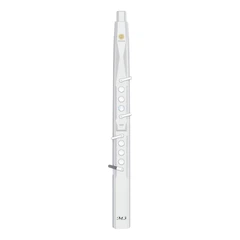
Brand Name: SUNRISE MELODY
Model: XR3000
Timbre: 60 types
Five octaves metal roller
Bluetooth connection
4 fingering modes available to select
