


How Does a Wind Controller Work?
Wind controllers are essential components in wind energy systems, ensuring the efficient and safe operation of wind turbines. They achieve this by regulating various aspects of the turbine's operation, including speed, power output, and response to changing wind conditions. Here's a detailed look at how wind controllers function:
1. Control Strategies
Wind controllers employ different strategies to manage the operation of wind turbines. These strategies can be broadly categorized into:
Pitch Control: Adjusts the angle of the turbine blades to control the power output. This is crucial for maintaining optimal power generation at varying wind speeds and preventing damage during high winds .
Yaw Control: Turns the turbine to face the wind, maximizing efficiency and power capture.
Variable Speed Control: Modifies the rotational speed of the turbine to optimize energy production and reduce mechanical stress.
2. Maximizing Power Output
One of the primary functions of a wind controller is to maximize the power output of the turbine. This is often achieved through maximum power point tracking (MPPT) strategies, which adjust the turbine's operation to capture the maximum available power from the wind .
3. Safety and Reliability
Wind controllers also play a critical role in ensuring the safety and reliability of wind turbines. They monitor and control factors such as:
Vibration Mitigation: Especially important for tall structures like offshore wind turbines, where wind-induced vibrations can lead to fatigue and failure. Controllers can adjust the turbine's operation to minimize these effects .
Load Management: Distributing the load evenly across the turbine's components to prevent overloading and extend the lifespan of the turbine.
4. Adaptive Control Systems
Advanced wind controllers use adaptive control systems that can learn and adjust to changing conditions. These systems use algorithms to predict and respond to changes in wind speed and direction, improving the efficiency and responsiveness of the turbine .
5. Integration with Power Grids
Wind controllers also manage the integration of wind-generated power into the electrical grid. This includes:
Grid-Tied Inverters: Converting the turbine's output from alternating current (AC) to direct current (DC) and back to AC to match the grid's requirements.
Frequency Regulation: Ensuring that the power output from the turbine matches the grid's frequency, maintaining stability.
6. Environmental Considerations
Wind controllers take into account environmental factors such as temperature and humidity, which can affect the performance and safety of the turbine. They can adjust the operation of the turbine to minimize the impact of these factors .
7. Future Developments
Research is ongoing to improve the capabilities of wind controllers, with a focus on:
Floating Offshore Wind Farms: Controllers that can manage the unique challenges of floating turbines, such as motion control and repositioning to optimize power capture .
Power Electronics: Improving the efficiency and reliability of power conversion and management in wind energy systems .
In conclusion, wind controllers are sophisticated systems that ensure the efficient, safe, and reliable operation of wind turbines. They are at the heart of wind energy technology, enabling the harnessing of one of the most promising renewable energy sources.
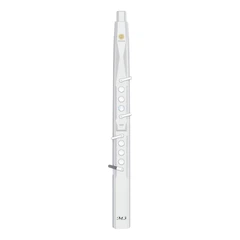
Brand Name: SUNRISE MELODY
Model: XR3000
Timbre: 60 types
Five octaves metal roller
Bluetooth connection
4 fingering modes available to select
