
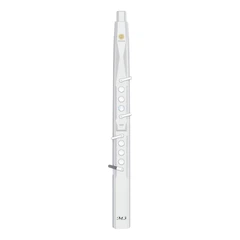


Electric wind instruments /electronic-wind-instrument/electric-saxophone-ewi.htmlcan simulate the timbre of many types of instruments. Here are some common ones:
1. **Wind instruments**:
- **Saxophone**: It is one of the most commonly simulated timbres of electric wind instruments. By adjusting the relevant settings and playing techniques of electric wind instruments, the soft and mellow timbre characteristics of the saxophone can be simulated more realistically, and a certain degree of similarity can be achieved in breath control and range performance.
- **Trumpet**: Electric wind instruments can simulate the bright and high-pitched timbre of the trumpet. When playing some exciting and uplifting music, the simulation of the trumpet timbre can enhance the expressiveness of the music. However, compared with the real trumpet, the trumpet timbre simulated by the electric wind instrument may be slightly insufficient in the fullness of the timbre and the breath impact when playing.
- **Flute**: The timbre of the flute is crisp and melodious, and electric wind instruments can simulate this timbre feature well. When playing some lyrical and melodious music, the simulation of the flute timbre can create a fresh and elegant atmosphere.
- **Oboe**: The timbre of the oboe has a unique nasal characteristic, with a high range and a soft timbre. Electric wind instruments can simulate the timbre characteristics of the oboe to a certain extent, but it may be difficult to simulate some subtle changes and unique expressiveness in the timbre of the oboe.
- **Clarinet**: The timbre of the clarinet is relatively thick and mellow, and the electric wind instrument can simulate a similar timbre effect. When playing some music in styles such as jazz and classical music, the simulation of the clarinet timbre can enrich the expression of music.
- **Bamboo Flute**: Electric wind instruments can also simulate the timbre of the traditional Chinese bamboo flute. The bamboo flute has a crisp and bright timbre with strong national characteristics. The simulation of the bamboo flute timbre of the electric wind instrument allows the performer to play Chinese-style music without using the bamboo flute.
- **Suona**: The timbre of the suona is high-pitched and loud, with strong penetrating power. The electric blowpipe can simulate the timbre characteristics of the suona, but the volume and timbre tension may be different from the real suona.
- **Xun**: Xun is an ancient wind instrument with a low, simple and sad timbre. The electric blowpipe can simulate the unique timbre of Xun, providing more timbre options for the performer.
2. **String instruments**:
- **Violin**: Through special playing techniques and timbre adjustment, the electric blowpipe can simulate the timbre of the violin. The timbre of the violin is delicate, melodious and has strong expressiveness. When the electric blowpipe simulates the timbre of the violin, it is necessary to pay attention to the accuracy of the pitch and the continuity of the timbre.
- **Guitar**: The electric blowpipe can simulate the timbre of the guitar, including the soft timbre of the classical guitar and the distorted timbre of the electric guitar. When playing some pop music, rock music and other styles of music, the simulation of the guitar timbre can add a unique color to the music.
- **Bass**: The bass has a deep and heavy timbre and is an important bass part in the band. The electric blowpipe can simulate the timbre of the bass and provide bass support for the performer without the bass.
3. **Other musical instruments**:
- **Guzheng**: The Guzheng is a plucked string instrument with a crisp, bright timbre and unique charm. The electric blowpipe can simulate the timbre of the Guzheng through special settings and playing techniques, bringing different musical experiences to the performer.
- **Erhu**: The timbre of the Erhu is melodious and gentle, with strong national characteristics. The electric blowpipe can simulate the timbre of the Erhu, and can achieve better results when playing some traditional Chinese music.
- **Harmonica**: The timbre of the harmonica is light and lively, with a unique sense of rhythm. The electric blowpipe can simulate the timbre of the harmonica, providing more choices for the performer when playing some relaxing and cheerful music.
- **Organ**: The timbre of the organ is grand and solemn, and it is a commonly used instrument in church music. The electric blowpipe can simulate the timbre of an organ, providing support for performers when playing some religious music or grand music.
The simulation effect of the electric blowpipe can be evaluated from the following aspects:
1. **Timbre similarity**: This is one of the important indicators for evaluating the simulation effect of the electric blowpipe. When simulating the timbre of various musical instruments, a good electric blowpipe can be as close as possible to the real timbre of the simulated instrument, including the brightness, saturation, pitch and timbre changes of the timbre. For example, when simulating the timbre of a saxophone, it can reflect the soft and mellow characteristics of the saxophone; when simulating the timbre of a violin, it can show the delicate and melodious timbre characteristics of the violin.
2. **Dynamic response**: Dynamic response refers to the ability of the electric blowpipe to respond to the player's blowing strength, breath changes, etc. during the performance. A good electric blowpipe should be able to respond to the player's operation quickly and accurately, thereby producing dynamic effects similar to the simulated instrument. For example, when simulating a trumpet, the player increases the intensity of the blow, and the electric blowpipe can produce an effect similar to that of a trumpet with increased volume and brighter timbre.
3. **Voice range**: Different musical instruments have different sound ranges. When simulating the timbre of various musical instruments, the electric blowpipe should be able to cover the sound range of the simulated instrument as much as possible. For example, when simulating the timbre of a piano, the electric blowpipe should be able to produce a complete range from bass to treble so that the player can play notes of various pitches.
4. **Operational convenience**: Operational convenience is also one of the important factors in evaluating the simulation effect of the electric blowpipe. A good electric blowpipe should have a simple and intuitive operation interface, allowing the player to easily switch between different timbres and to easily adjust the parameters of the timbre, such as volume, pitch, and brightness of the timbre. This allows the player to focus more on the performance of the music and improve the efficiency and quality of the performance.
5. **Stability**: Stability refers to the stability of the simulation effect of the electric blowpipe during long-term use. A good electric blowpipe should be able to maintain a stable simulation effect during long-term use without problems such as timbre distortion and unstable volume. This requires the electric blowpipe to have good circuit design and quality control to ensure the stability of its performance.
/electronic-wind-instrument/electric-saxophone-ewi.html


