
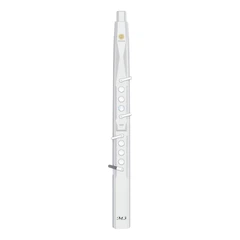


I. Overall Structure
The electric saxophone has an overall structure that is both similar to and distinct from the traditional acoustic saxophone.
A. Body Design
Shape and Size
The body of an electric saxophone typically retains the familiar curved and elongated shape of a traditional saxophone. This shape is not only aesthetically pleasing but also ergonomic, allowing the player to hold and play the instrument comfortably. The size can vary depending on the type of electric saxophone, such as alto, tenor, or soprano models. For example, an alto electric saxophone usually has a length of around 65 - 70 centimeters, with a bell diameter of approximately 13 - 15 centimeters. This size range makes it manageable for most players, whether they are beginners or experienced musicians.
Material of the Body
Most electric saxophones are made from modern synthetic materials. These materials offer several advantages over traditional brass used in acoustic saxophones. One common material is high - quality plastic. Plastic bodies are lightweight, which is a great benefit for players who may need to hold the instrument for extended periods during performances or practice sessions. They are also less prone to damage from impacts compared to brass. Additionally, plastic can be molded into more precise and consistent shapes, ensuring that each instrument has a uniform structure. Some high - end electric saxophones may use composite materials that combine the durability of certain metals with the lightweight and flexibility of plastics to achieve an optimal balance.
B. Bell Section
Design and Function
The bell of an electric saxophone serves both aesthetic and functional purposes. It is usually designed with a flared shape, similar to that of a traditional saxophone bell. This flared design helps in projecting the sound. In an electric saxophone, the bell may also house some of the electronic components related to sound amplification or tone shaping. For instance, there might be small sensors or pickups near the bell area that capture the vibrations of the reed and the air column within the instrument. These signals are then processed by the internal electronics to produce the final sound output.
Finishing and Decoration
The bell is often finished with a smooth and shiny surface. Manufacturers may apply various types of coatings or finishes to enhance the appearance. Some electric saxophones have bells with unique decorative elements. This could include engraved patterns, colored accents, or special paint finishes. These decorative details not only make the instrument look more attractive but also add a touch of individuality to each model. For example, some limited - edition electric saxophones may have intricate hand - engraved designs on the bell that are inspired by different cultural or musical themes.
II. Key and Button System
A. Key Layout
Similarities to Traditional Saxophones
The key layout on an electric saxophone is largely based on the traditional saxophone design. The keys are positioned in a way that allows the player to access them easily with their fingers. The basic set of keys includes those for producing different pitches. For example, the keys on the front and sides of the instrument are designed to cover the tone holes in a specific pattern. This pattern is similar to that of an acoustic saxophone, enabling players who are already familiar with traditional saxophones to transition more smoothly to the electric version.
Additional Electronic Keys or Buttons
However, electric saxophones often have additional keys or buttons that are specific to their electronic functions. These may include buttons for changing the tone color, adding special effects like reverb or delay, or adjusting the volume. These additional controls are usually strategically placed within easy reach of the player's fingers. For instance, there might be a set of small buttons located near the thumb rest area that allow the player to quickly switch between different preset sounds or modify the sound parameters during a performance.
B. Key Material and Quality
Material Selection
The keys of an electric saxophone are typically made from materials that provide durability and a smooth touch. Metal alloys are commonly used for keys because they can withstand the repeated pressing and friction during play. These alloys are often chosen for their strength and resistance to wear. Some keys may also have a plastic or rubber coating on the surface to improve the grip and make it more comfortable for the player's fingers. This combination of materials ensures that the keys have a long lifespan and maintain their functionality over time.
Quality Control and Precision
Manufacturers pay great attention to the quality control of the keys. Each key should have a precise fit and smooth movement. The key mechanisms are carefully calibrated to ensure that they respond accurately to the player's touch. There should be no looseness or stiffness in the keys. High - quality electric saxophones undergo rigorous testing to ensure that the keys function properly. For example, during the manufacturing process, the keys are tested for their smoothness of operation, the accuracy of pitch changes when pressed, and the consistency of their response to different playing pressures.
III. Mouthpiece and Ligature
A. Mouthpiece Design
Shape and Size Variations
The mouthpiece of an electric saxophone comes in different shapes and sizes, similar to traditional saxophone mouthpieces. The shape of the mouthpiece can affect the tone and playability of the instrument. There are mouthpieces with different tip openings, which determine the amount of air that can pass through. A wider tip opening may produce a louder and more open sound, while a narrower one can create a more focused and brighter tone. The length and curvature of the mouthpiece also play a role. For example, a longer and more curved mouthpiece may provide more resistance to the player's air stream, resulting in a different tonal quality.
Material and Its Impact on Sound
Mouthpieces are usually made from materials such as hard rubber, plastic, or metal. Hard rubber mouthpieces are popular because they offer a warm and rich tone. Plastic mouthpieces are often more affordable and can be a good option for beginners. Metal mouthpieces, on the other hand, can produce a brighter and more penetrating sound. The choice of material depends on the player's preference for tone and the style of music they play. For instance, a jazz player may prefer a hard rubber mouthpiece for its mellow sound, while a player in a contemporary music band might choose a metal mouthpiece for its cutting - edge tone.
B. Ligature Function and Design
Securing the Reed
The ligature on an electric saxophone mouthpiece serves the crucial function of holding the reed in place. It ensures that the reed is properly positioned and stable during play. A well - designed ligature provides even pressure around the reed, allowing it to vibrate freely and produce a clear sound. There are different types of ligatures, including screw - type ligatures and those with quick - release mechanisms. Screw - type ligatures allow for more precise adjustment of the pressure on the reed by tightening or loosening the screw. Quick - release ligatures, on the other hand, offer convenience, especially when the player needs to change the reed frequently.
Aesthetic and Ergonomic Considerations
In addition to its functional role, the ligature can also contribute to the overall appearance of the instrument. Some ligatures have an elegant and stylish design. They may be made from materials like metal with a polished finish or have decorative elements. From an ergonomic perspective, the design of the ligature should not interfere with the player's playing comfort. It should be positioned in such a way that it does not cause any discomfort to the lips or hands during extended playing sessions.
IV. Display and Control Panels
A. Location and Visibility
Position on the Instrument
The display and control panels on an electric saxophone are usually located in areas that are easily accessible to the player. In some models, there may be a small LCD display panel near the top of the instrument, just below the mouthpiece area. This location allows the player to view the information on the display while playing without having to make significant adjustments to their playing position. Control buttons related to the display, such as those for navigating through menus or adjusting settings, are often placed adjacent to the display for easy operation.
Visibility in Different Lighting Conditions
Manufacturers consider the visibility of the display in various lighting environments. The display is designed to be legible under both bright stage lights and dimmer rehearsal room conditions. Some displays use backlighting technology to enhance visibility. The contrast and brightness of the display are carefully adjusted to ensure that the player can clearly see the information such as the selected tone, volume level, and other relevant settings. This is crucial during live performances when the player may need to make quick adjustments to the instrument's settings.
B. Information Displayed and Control Functions
Tone and Sound Settings
The display on an electric saxophone shows important information related to the tone and sound settings. It may display the current selected tone, which could be a preset modeled after a specific type of saxophone sound or a unique electronic tone created by the instrument's internal sound engine. The display may also indicate the settings for any added sound effects, such as the level of reverb, delay, or chorus. Players can use the control buttons to scroll through different tone options and adjust the parameters of the sound effects according to their musical requirements.
System and Performance - Related Information
In addition to sound settings, the display may provide system - related information. This could include battery level indicators for electric saxophones that are battery - powered. Some advanced models may also display information related to the instrument's performance, such as the current note being played (useful for educational or practice purposes) or the air pressure detected by the internal sensors. The control buttons can be used to access and modify these system settings, allowing the player to optimize the instrument's performance.
V. Cables and Connectors
A. Cable Types and Functions
Audio Output Cables
Electric saxophones require audio output cables to transmit the sound signal to an amplifier, mixer, or other audio equipment. The most common type of audio output cable is a standard 1/4 - inch jack cable. This type of cable provides a reliable connection for sending the electrical audio signal from the instrument. Some electric saxophones may also support other types of audio connections, such as XLR connectors for professional audio setups. The quality of the audio output cable can affect the sound quality. High - quality cables with good shielding are able to reduce interference and ensure a clean and clear sound transmission.
Power Cables (if applicable)
If the electric saxophone is powered by an external power source, it will have a power cable. The power cable may be a standard AC adapter cable with a specific plug type depending on the region. In some cases, electric saxophones may also support battery operation, and the power cable may be used for charging the internal battery. The power cable should be of a suitable length and durability to provide a stable power supply during use.
B. Connector Quality and Compatibility
Connector Durability
The connectors on the electric saxophone, including the audio output and power connectors (if present), need to be of high quality. They should be able to withstand repeated plugging and unplugging without getting damaged. The metal parts of the connectors should be sturdy and corrosion - resistant. For example, gold - plated connectors are often used in high - end electric saxophones as they provide better conductivity and durability compared to other types of plating.
Compatibility with Other Equipment
The connectors on the electric saxophone should be compatible with a wide range of audio and power equipment. The 1/4 - inch jack and XLR connectors are standard in the audio industry, making it easy to connect the instrument to most amplifiers, mixers, and PA systems. For power connectors, they should be designed to work with common power sources in different regions. This compatibility ensures that the electric saxophone can be easily integrated into various musical setups without the need for additional adapters or modifications.
VI. Aesthetics and Customization Options
A. Color and Finish Options
Standard Color Choices
Electric saxophones are available in a variety of standard colors. These include traditional colors like black, silver, and gold, which give the instrument a classic and elegant look. Black is a popular choice as it is sleek and professional - looking. Silver and gold finishes can add a touch of luxury and are often associated with high - quality instruments. These standard colors are usually achieved through painting or plating processes that provide a durable and attractive finish.
Special and Custom Colors
In addition to the standard colors, some manufacturers offer special or custom color options. This allows players to have an instrument that stands out or matches their personal style. Special colors can range from bright and vibrant hues like red, blue, or purple to more unique finishes like matte or textured colors. Custom color options may involve working with the manufacturer to create a one - of - a - kind color scheme for the instrument. This can be especially appealing for professional musicians or collectors who want a unique instrument.
B. Customization Features
Engraving and Decoration
Many electric saxophones offer customization options such as engraving. Players can have their names, initials, or special designs engraved on the body of the instrument. Engraving can be done in a variety of styles, from simple and elegant lettering to more elaborate and detailed patterns. This not only adds a personal touch but also increases the value of the instrument as a unique piece. Some manufacturers may also offer additional decorative features like gemstone inlays or custom - made decals that can be applied to the instrument to enhance its appearance.
Personalized Accessories
Another aspect of customization is the use of personalized accessories. This can include custom - made mouthpieces, ligatures, or even custom - designed carrying cases. A personalized mouthpiece can be tailored to the player's specific playing style and tone preferences. Custom - made carrying cases can have unique designs, colors, or features such as extra padding for better protection or compartments for storing accessories. These personalized accessories further enhance the overall look and feel of the electric saxophone as a customized musical instrument.
SUNRISE MELODY M1 Electronic Wind Instrument
. Revisit the passion and dreams of youth
. M1 electric clarinet wind instrument -- The good news for beginners
. Rich and diverse timbres
. Powerful functions and easy operation
. Perfect after-sales service


