

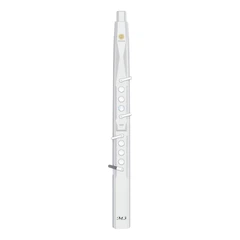

1. **Fingering**/electronic-wind-instrument/electric-saxophone-ewi.html
- **Differences and adaptations in fingering systems**
- Although some fingerings of the electric blowpipe are similar to those of traditional wind instruments, there are still differences. For example, the layout and touch of the keys of the electric blowpipe are different from those of traditional instruments such as saxophone and flute. For people who have a saxophone foundation, the keys of the electric blowpipe may be more sensitive, and they need to re-adapt to the strength and travel of the keys. For people who have a flute foundation, the fingering of the electric blowpipe may be more complicated due to the addition of some electronic function keys. Therefore, it is necessary to carefully study the fingering diagram of the electric blowpipe, compare the similarities and differences with the fingering of traditional instruments that you are familiar with, and gradually adapt to the new fingering system.
- **Expanded learning of fingering functions**
- The electric blowpipe has some fingering functions that traditional wind instruments do not have, such as dual-tone switching buttons and pitch bend wheel operation. Dual-tone switching allows the performer to instantly switch between two different timbres during the performance, producing unique musical effects. The pitch bend wheel is used to achieve special effects such as glissando, and the operation method is different from the glissando technique of traditional instruments. People who have a foundation in traditional instruments need to learn and master these new fingering functions and become familiar with their role in musical performance through practice.
2. **Breath**
- **Different breath triggering mechanisms**
- In traditional wind instruments, such as the flute, the airflow directly stimulates the air column to vibrate and the saxophone makes sound by vibrating the reed. The electric blowpipe uses the airflow to vibrate the reed to trigger the sensor, and then the electronic components process and produce sound. This leads to differences in the sensitivity of breath triggering. The electric blowpipe may be more sensitive to the start and stop of the breath, requiring the performer to control the entry and stop time of the breath more accurately. People who have a foundation in traditional instruments need to adapt to this breath triggering mechanism through practice, and find the appropriate breath input strength and speed to ensure the stability of pitch and timbre.
- **Adjustment of breath control**
- Although breath control is important in all wind instruments, the breath control requirements of the electric blowpipe are different in some aspects. For example, the electric blowpipe can control the volume, timbre changes and the depth of some special effects (such as vibrato) through breath strength. In traditional musical instruments, the way volume and timbre change may depend more on blowing angle, fingering techniques, etc. Therefore, people with a foundation in traditional musical instruments need to readjust their breath control habits and explore the relationship between breath strength and various musical parameters on the electric blowpipe in order to better play the function of the electric blowpipe.
3. **Timbre**
- **Diversity of timbre adjustment**
- A significant advantage of the electric blowpipe is that it can simulate the timbre of a variety of musical instruments, which is very different from the relatively fixed timbre of traditional wind instruments. People with a foundation in traditional musical instruments need to learn how to adjust the timbre parameters when switching to playing with the electric blowpipe. For example, the electric blowpipe can adjust the brightness of the timbre, the reverberation effect, the vibrato speed, etc. To understand the impact of these parameters on the timbre and to be able to flexibly adjust the timbre according to different musical styles and performance requirements, it takes time to become familiar with the timbre adjustment system of the electric blowpipe.
- **Comparison of timbre simulation and original instrument**
- Although the electric blowpipe can simulate the timbre of traditional musical instruments, there is still a certain difference between the simulation effect and the real instrument. For example, the simulated saxophone sound may be different from the real saxophone in texture and flavor. People who have experience in playing traditional instruments need to pay attention to this difference. During the performance, they cannot treat the electric blowpipe completely according to the timbre expression of traditional instruments. By comparing the recordings of the simulated timbre of the electric blowpipe and the timbre of the real instrument, the differences can be found, and then the characteristics of the electric blowpipe can be used to make up for or create new timbre effects during the performance.
4. **Performing habits and concepts**
- **Integration of electronic equipment operation**
- The electric blowpipe is an electronic instrument that involves the operation of some electronic devices, such as power switch, timbre storage and call, and connection to external devices (such as headphones, speakers). For people who are accustomed to the simple operation of traditional wind instruments, this is a new field. It is necessary to learn how to operate these electronic devices, and to develop the habit of checking device connections, timbre settings, etc. before playing to ensure the smooth progress of the performance process.
- **Expansion of musical expression**
- The rich functions of the electric blowpipe provide more possibilities for musical expression. People who have a foundation in traditional musical instruments should change their mindset, move away from the relatively fixed playing techniques and expressiveness of traditional instruments, and actively explore the unique playing methods of the electric blowgun, such as using the various special effects buttons and multiple tone combinations of the electric blowgun to create novel musical expressions and give full play to the advantages of the electric blowgun.
/electronic-wind-instrument/electric-saxophone-ewi.html
