
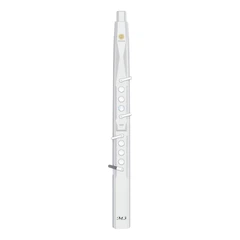


The structural principles of electric wind instruments/electronic-wind-instrument/electric-saxophone-ewi.html vary depending on the type and model, but generally include the following parts:
Mouthpiece: used to introduce airflow into the instrument.
Sensor: used to detect parameters such as the strength, pressure and direction of the airflow and convert them into electrical signals.
Sound source: used to produce the timbre of various instruments, usually achieved through digital synthesis or sampling technology.
Controller: used to adjust various parameters of the instrument, such as volume, timbre, pitch, effects, etc.
Amplifier: used to amplify the sound output of the instrument so that it can be heard during performance.
Speaker: used to output the amplified sound into the air so that the audience can hear it.
When playing the electric wind instrument, the performer introduces the airflow into the instrument through the mouthpiece. After the sensor detects the parameters of the airflow, it converts it into an electrical signal and sends it to the sound source. The sound source generates the corresponding timbre according to the received electrical signal and sends it to the controller. After the controller adjusts the timbre, it sends it to the amplifier. After the amplifier amplifies the timbre, it sends it to the speaker. The speaker outputs the amplified sound into the air, thereby producing music.

Control:music note key,5-octave
Effects:reverb,vibrato,Pitch Bend
Characteristic:display screen,earphones monitoring
Battery life after full charge:6-8 hours
Play:Bluetooth
Speaker:Yes
Interface: 3.5 headphone audio port, 6.5 audio output port


