
The hulusi cucurbit Instrument: Exploring its Range and Musical Potential
The hulusi cucurbit, a captivating musical instrument with roots deeply embedded in Chinese culture, offers a unique and enchanting range of sounds that contribute to its allure and musical significance. To truly understand the range of the hulusi cucurbit, we must embark on a detailed exploration that encompasses its physical characteristics, playing techniques, and the various musical possibilities it presents.
The typical hulusi cucurbit is constructed with a gourd serving as the resonator and bamboo pipes attached for the finger holes and the mouthpiece. This design not only gives the instrument its distinct appearance but also influences the range of tones it can produce. The size and shape of the gourd, along with the length and diameter of the bamboo pipes, play crucial roles in determining the instrument's fundamental pitch range.
In terms of the standard pitch range, the hulusi cucurbit typically covers a span that includes several octaves. However, it's important to note that the specific range can vary depending on the individual instrument's construction and the player's technique. Generally, the lower notes of the hulusi cucurbit possess a rich and mellow quality, evoking a sense of depth and warmth. These lower tones can create a soothing and calming atmosphere, making them suitable for expressing emotions such as serenity and introspection.
For example, when playing a slow and melancholic melody, the lower range of the hulusi cucurbit can convey a profound sense of longing or sadness. The notes resonate with a certain gravitas, as if carrying the weight of unspoken emotions. The sustained tones in this range can linger in the air, allowing the listener to soak in the mood created by the music.
As we ascend the scale, the middle range of the hulusi cucurbit reveals a more versatile and expressive character. This range is often where the instrument showcases its agility and dynamic capabilities. Musicians can play rapid passages, trills, and ornamental flourishes with relative ease, adding a sense of liveliness and playfulness to the music.
Imagine a lively folk tune being played in the middle range, with the notes dancing and skipping along, creating an infectious rhythm that makes it hard for the listener to resist tapping their feet. The middle range also allows for greater melodic development, enabling the player to construct complex and engaging musical phrases.
The upper range of the hulusi cucurbit brings a bright and piercing quality to the sound. While it may be less frequently utilized in some compositions, when employed effectively, it can add emphasis and drama. A sudden leap into the upper range can create a moment of surprise or excitement, catching the listener's attention and heightening the emotional impact of the music.
It's not just the inherent pitch range of the hulusi cucurbit that determines its musical potential; the playing techniques employed by the musician also significantly expand the perceived range and expressiveness of the instrument. Breath control is of paramount importance. By manipulating the force and speed of the breath, players can achieve variations in volume, from soft and delicate whispers to bold and assertive blasts. This dynamic range adds another dimension to the musical palette, allowing for a wide range of emotional expressions.
Finger placement and movement on the finger holes are equally crucial. Skillful players can use half-holing techniques or slight adjustments in finger pressure to produce microtonal variations, introducing subtle nuances and inflections that enhance the musicality. Slides and glissandos can also be executed, creating smooth transitions between notes and adding a sense of fluidity to the performance.
Furthermore, the use of vibrato, where the pitch is slightly fluctuated, can lend a human touch and emotional depth to the notes. Tremolo, rapid repetition of a note, can add intensity and urgency. These techniques, when combined with the instrument's natural range, enable the hulusi cucurbit to convey a vast array of emotions and musical ideas.
The range of the hulusi cucurbit is not limited to its physical capabilities alone; it also extends to the diverse musical styles and genres it can accommodate. In traditional Chinese folk music, the hulusi cucurbit often takes center stage, lending its unique voice to songs that celebrate nature, love, and cultural heritage. The instrument's range is well-suited to capture the essence of these themes, whether it's the gentle sway of a countryside landscape or the passionate outpouring of a lover's heart.
In contemporary music, the hulusi cucurbit has also found its place, collaborating with other instruments from different cultures and musical traditions. Its range allows it to blend seamlessly in ensembles or stand out as a solo instrument, adding a touch of exoticism and charm. Experimental and fusion genres have further pushed the boundaries of the hulusi cucurbit's range, exploring uncharted sonic territories and challenging conventional notions of what the instrument is capable of.
To illustrate the wide range of musical possibilities, let's consider a composition that begins with a soft and haunting melody in the lower range, evoking a sense of mystery and anticipation. As the piece progresses, the music builds up, with the middle range coming into play, introducing a more energetic and animated rhythm. Just when the listener is fully engaged, a sudden burst of high-pitched notes adds a climax of excitement and drama. The final resolution brings us back to the comforting embrace of the lower range, leaving a lasting impression.
Another example could be a duet featuring the hulusi cucurbit and another instrument, such as a guitar. The hulusi cucurbit might take on the role of providing the melodic foundation in the middle range while the guitar complements with chord progressions and fills. The combination showcases how the hulusi cucurbit's range can interact and complement other musical elements, creating a harmonious and engaging performance.
The range of the hulusi cucurbit also has implications for its educational and therapeutic applications. In music education, students learning the hulusi cucurbit start by mastering the basic notes within the instrument's range, gradually expanding their skills and exploring more advanced techniques to access the full spectrum of sounds. This progressive learning process not only develops musical proficiency but also nurtures discipline, concentration, and creativity.
From a therapeutic perspective, the soothing tones of the lower range can be used in relaxation and stress reduction exercises. The engaging and dynamic middle range can help stimulate the mind and improve focus. The challenging upper range can provide a sense of achievement and confidence as players overcome the technical difficulties associated with it.
In conclusion, the range of the hulusi cucurbit is a complex and multi-faceted aspect that encompasses its physical pitch capabilities, playing techniques, musical styles, and applications. It is a source of endless exploration and creativity for musicians, a means of cultural expression and connection for communities, and a vehicle for emotional communication and inspiration for listeners. Whether in the hands of a traditional folk musician or an avant-garde composer, the hulusi cucurbit's range continues to unlock new musical horizons and leave an indelible mark on the world of music.
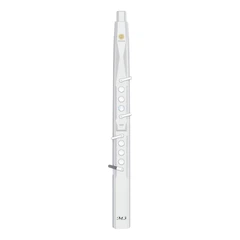
SUNRISE MELODY Electric hulusi flute instrument
Chinese hulusi flute instrument it has a unique ethnic style and is extremely ethnic.
The Chinese Hulusi Flute Instrument is a distinctive and charming musical instrument. It originated from ethnic minorities in China, mainly in Yunnan Province.
The Hulusi is made of a gourd and bamboo pipes. Its unique structure gives it a gentle and mellow sound. The instrument typically has several holes on the pipes, allowing players to produce different pitches.
The Hulusi is often used to play folk music, expressing the emotions and stories of local people. Its melodies are usually simple yet beautiful, carrying a rich cultural heritage.
Playing the Hulusi requires specific breathing and fingering techniques. Mastery of these techniques enables players to create captivating music.
In modern times, the Hulusi has gained popularity beyond its original regions, becoming a beloved instrument for many music lovers.