
The Musical Expressiveness of the hulusi flute instrument
The hulusi flute instrument, a traditional Chinese musical instrument, possesses a remarkable array of musical expressiveness that captivates both players and listeners alike. Its unique tonal qualities, playing techniques, and cultural significance contribute to its ability to convey a wide range of emotions and musical ideas.
The most distinctive aspect of the hulusi flute instrument's musical expressiveness lies in its warm and mellow tone. The soft, smooth sound has a gentle and inviting quality that can immediately soothe the soul. It is capable of expressing tender emotions such as love, longing, and serenity with great depth and authenticity. For instance, when playing a slow and melancholic melody, the gentle notes of the hulusi flute instrument can evoke a sense of profound sadness and reflection, as if telling a heartfelt story of lost love or unfulfilled dreams.
The instrument's ability to produce smooth glissandos and portamentos adds a fluid and flowing quality to the music. This allows for seamless transitions between notes, creating a sense of continuous and effortless expression. In a composition that depicts the movement of a gentle breeze or the flowing of a peaceful river, the glissandos of the hulusi flute instrument can vividly bring these images to life, giving the listener a sense of movement and fluidity.
The dynamic range of the hulusi flute instrument is another aspect that contributes to its musical expressiveness. From the softest whispers to the boldest accents, the player can control the volume and intensity of the sound to convey a wide range of emotions. A soft and delicate passage can convey a sense of fragility and vulnerability, while a powerful and forceful section can express determination and passion. This dynamic contrast enables the hulusi flute instrument to create dramatic tension and release within a piece of music, enhancing the emotional impact.
The playing techniques employed on the hulusi flute instrument also enhance its expressiveness. The use of vibrato, where the pitch fluctuates slightly, adds a human touch and emotional depth to the notes. It can make the music sound more alive and expressive, as if the instrument is breathing and emoting. Tremolo, the rapid repetition of a note, can create a sense of urgency or excitement, adding intensity to the performance.
In terms of pitch variation, the hulusi flute instrument allows for the execution of microtonal inflections, which are subtle deviations from standard pitches. These microtonal nuances give the music a distinct character and flavor, often associated with traditional folk music. They can add an element of authenticity and cultural depth, allowing the instrument to convey the specific musical language and traditions of a particular region or community.
The hulusi flute instrument is also highly effective in evoking a sense of nostalgia and cultural identity. Its music often carries the essence of traditional folk songs and stories, transporting the listener to a bygone era or a specific cultural context. When played in traditional settings or as part of cultural ceremonies, the hulusi flute instrument becomes a vessel for preserving and passing on cultural heritage, expressing the collective memories and values of a community.
For example, in music that commemorates ancestral traditions or celebrates local festivals, the hulusi flute instrument can convey a sense of pride, unity, and connection to one's roots. The familiar melodies and rhythms can stir up deep-seated emotions and a sense of belonging, reinforcing the cultural bonds within a community.
The instrument's expressiveness is not limited to a single genre or style of music. It can be equally effective in contemporary compositions, where it can blend seamlessly with other modern instruments or incorporate innovative playing techniques to create a unique sonic landscape. In fusion music or cross-cultural collaborations, the hulusi flute instrument can bring its distinct tonal qualities to the forefront, adding an exotic and enchanting element to the overall sound.
Moreover, the hulusi flute instrument has the ability to adapt and express different moods and atmospheres. It can create a peaceful and meditative ambiance suitable for relaxation and inner reflection. In contrast, it can also be used to generate energetic and lively rhythms that get people moving and dancing. This versatility makes it suitable for a wide range of musical settings, from intimate solo performances to large ensemble arrangements.
To illustrate the diverse musical expressiveness of the hulusi flute instrument, consider a composition that begins with a soft and introspective solo on the hulusi flute instrument, evoking a sense of solitude and inner turmoil. As the music progresses, the instrument gradually builds in intensity, incorporating dynamic variations and ornamental flourishes to represent a struggle and eventual resolution. The final section might feature a gentle and peaceful conclusion, symbolizing acceptance and tranquility.
Another example could be a collaborative piece where the hulusi flute instrument interacts with other instruments such as the piano or string quartet. The hulusi flute instrument's unique timbre could complement and contrast with the other instruments, creating a rich and multi-layered musical texture that expresses complex emotions and musical dialogues.
In conclusion, the musical expressiveness of the hulusi flute instrument is a multi-faceted and profound phenomenon. Through its tonal qualities, playing techniques, and cultural significance, it has the power to touch the hearts of listeners, convey a wide range of emotions, and celebrate the beauty of music across different styles, genres, and cultural contexts. Whether in a traditional folk setting or a modern musical innovation, the hulusi flute instrument continues to shine as a remarkable instrument with endless possibilities for musical expression.
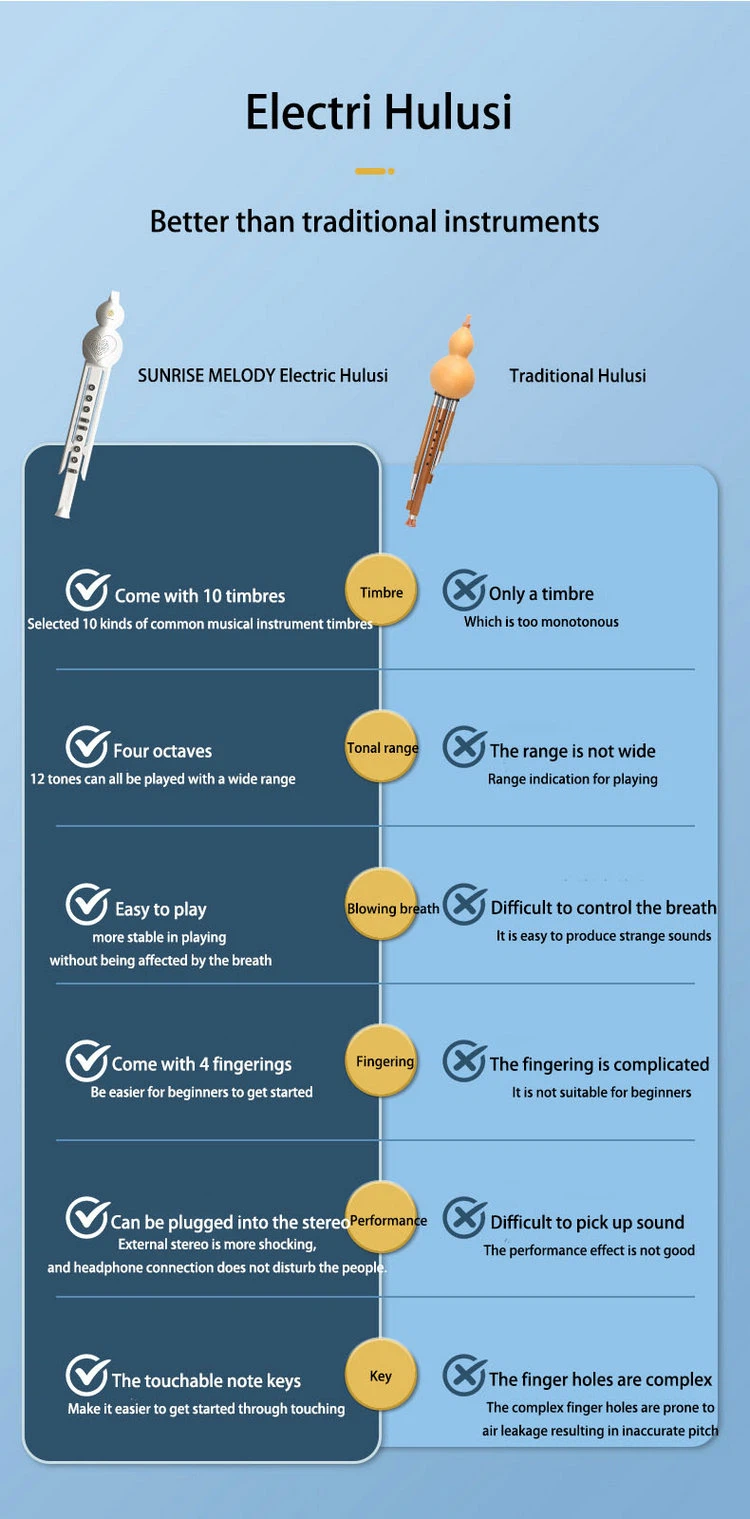
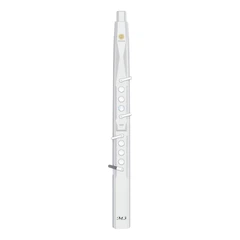
SUNRISE MELODY Electric hulusi flute instrument
Chinese hulusi flute instrument it has a unique ethnic style and is extremely ethnic.
The Chinese Hulusi Flute Instrument is a distinctive and charming musical instrument. It originated from ethnic minorities in China, mainly in Yunnan Province.
The Hulusi is made of a gourd and bamboo pipes. Its unique structure gives it a gentle and mellow sound. The instrument typically has several holes on the pipes, allowing players to produce different pitches.
The Hulusi is often used to play folk music, expressing the emotions and stories of local people. Its melodies are usually simple yet beautiful, carrying a rich cultural heritage.
Playing the Hulusi requires specific breathing and fingering techniques. Mastery of these techniques enables players to create captivating music.
In modern times, the Hulusi has gained popularity beyond its original regions, becoming a beloved instrument for many music lovers.