

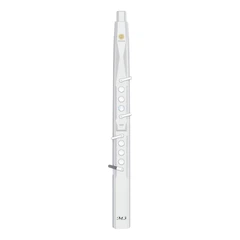

The blowpipe( EWI electronic wind instrument) and traditional blowpipe instruments: a conversation between modern and traditional
Music is an art form that spans the ages, and musical instruments, as the carrier of music, are constantly evolving and developing. Among the many musical instruments, the pipe instrument has earned the love of countless music lovers with its unique sound and playing skills. With the advancement of technology, the electric bowier as an emerging bowier instrument has formed a sharp contrast with traditional bowier instruments such as the saxophone and the flute. This article will explore the main differences between the electric blowpipe and traditional blowpipe instruments and analyze their respective characteristics and charms.
1. Musical Instrument Construction and Working Principles
electric blowing pipe or electric wind instrument
An electric blowpipe is an electronic musical instrument that mimics the sound of a traditional blowpipe instrument through electronic technology. Electric blowpipes usually consist of a mouthpiece, a keyboard, an electrical control panel, and speakers. The player activates the sensor by blowing, and the electronic signal is converted into a musical signal and amplified through the speaker. The advantage of the blowtorch is that it can simulate the sound of many traditional instruments, and even create completely new electronic sound.
Traditional blowpipe instruments
Traditional blowpipe instruments, such as the saxophone, flute, etc., produce sound mainly through physical vibration. These instruments are usually made of metal, wood, or other materials, and the sound is produced using the vibration of the blows, the springs (for instruments such as the saxophone) or the columns of air (for those such as the flute). The player changes the pitch and tone by controlling the airflow, fingering, and mouth shape.
2. Sound and Performance
electric blowing pipe
The sound of the blowing tube can be adjusted by electronic technology and has a high degree of flexibility. It can simulate the sound of a variety of musical instruments, from classical to modern, and can even create unique electronic sound effects. In addition, the blowtorch is often equipped with various sound processing functions, such as mixing, latency, etc., which provides more possibilities for music creation.
Traditional blowpipe instruments
The tone of traditional blowpipe instruments is usually more natural and warm, and each instrument has its own unique tone characteristics. For example, the saxophone is known for its deep and expressive sound, while the flute appeals to listeners for its crisp, bright sound. The timbre of these instruments is influenced by the skill of the player and the material of the instrument, so each instrument has its own unique personality.
3. Playing skills and learning difficulties
electric blowing pipe
The technique of playing the blowtorch is relatively simple because it does not require complex fingering or mouth control. Beginners can master basic playing skills quickly. However, it still takes time and practice to become proficient with the blowtorch and create a rich musical performance.
Traditional blowpipe instruments
The learning curve of a traditional flute instrument is usually steep and requires the player to master correct breathing techniques, fingering and mouth shape. The learning process for these instruments can be lengthy, but once mastered, players can express rich emotional and musical details through subtle skill changes.
4. Maintenance and portability
electric blowing pipe
The maintenance of the blowout pipe is relatively simple and does not require regular tuning or replacement of the springs. It is usually more portable because you don't need to carry extra accessories. In addition, the blowtorch can be used for silent exercises through headphones and is suitable for use in environments that require quietness.
Traditional blowpipe instruments
Traditional blowpipe instruments require regular maintenance such as cleaning, tuning and replacing the springs. These instruments are usually heavier and less convenient to carry than blowers. However, they usually don't require additional power or equipment when they play outside.
Conclusions
The electric blowpipe and traditional blowpipe instruments are different, and they are different in terms of sound, performance skills, maintenance and portability. The electric blowpipe has attracted many music lovers with its modern sense and flexibility, while the traditional blowpipe instrument has won people's liking with its unique sound and deep musical tradition. Whether you choose an electric or traditional blowpipe instrument, the most important thing is to find the instrument that is right for you and enjoy the joys and challenges that music brings.
XR3000 Electronic Saxophone EWI Digital Wind Instrument
Timbre: 60 types
Five octaves metal roller
Bluetooth connection
4 fingering modes available to select
