
When playing electronic wind instruments in conjunction with other electronic instruments, several issues can arise:
Signal Compatibility and Connectivity Problems
One of the primary concerns is signal compatibility. Different electronic instruments often operate on various signal protocols. For example, a traditional wind instrument like a saxophone when combined with a modern digital synthesizer might face challenges in transmitting and receiving signals in a seamless manner. MIDI (Musical Instrument Digital Interface) is a common standard used for communication between electronic musical instruments. However, not all wind instruments are natively equipped with MIDI capabilities. Adapters and converters may be required, which can introduce latency. Latency refers to the delay between the time a note is played on the wind instrument and the time the corresponding sound is produced by the electronic instrument. Even a small latency of a few milliseconds can be perceptible to the musician and disrupt the natural flow of the performance.
In some cases, the electrical impedance of the wind instrument and the connected electronic instruments might not match. This can result in a loss of signal strength or distortion. Ensuring that all the instruments are properly grounded is also crucial to prevent electrical noise and hum. Ground loops can occur when there are multiple paths for the electrical current to flow between the instruments, causing unwanted interference in the audio signal.
Tonal and Timbral Challenges
Each instrument has its unique tonal characteristics. A wind instrument, such as a flute or a clarinet, has a distinct timbre based on its physical construction and the way sound is produced. When combined with electronic instruments like synthesizers or samplers, achieving a harmonious blend of tones can be difficult. Electronic instruments offer a vast range of synthesized sounds, some of which might be overly bright, dull, or have an artificial quality that clashes with the natural sound of the wind instrument.
For example, if a trumpet is played alongside a digital keyboard with a highly processed electric guitar sound, the two might not blend well due to the contrasting tonal qualities. Dynamic range is another aspect to consider. Wind instruments have a certain range within which they can vary the volume and intensity of the sound. Electronic instruments may have a different dynamic response curve. Matching the dynamics of the wind instrument with that of the electronic instruments requires careful adjustment of volume levels and the use of effects processors.
Rhythmic Synchronization
Maintaining rhythmic synchronization between a wind instrument and other electronic instruments can be challenging. Electronic instruments often rely on internal clocks or external tempo sources for their timing. Wind instruments, on the other hand, depend on the musician's sense of rhythm and physical performance. In a live performance setting, factors such as the musician's breathing pattern and the natural delay in the response of the wind instrument can cause it to deviate from the strict tempo set by the electronic instruments.
In a studio environment, quantizing the performance of the wind instrument to match the grid of the electronic instruments can sometimes result in a loss of the natural feel and expression. However, not doing so might lead to a perceptible lack of tightness in the rhythm. Using click tracks or metronomes can help, but it can also be distracting for the wind instrument player, potentially affecting their performance.
Spatial Considerations
The physical placement of the wind instrument and the other electronic instruments can also impact the overall sound. In a live performance, the placement of speakers and microphones in relation to the wind instrument player can create phase cancellation or reinforcement effects. If the microphones picking up the wind instrument and the speakers producing the sound from the electronic instruments are not positioned correctly, certain frequencies might cancel each other out, resulting in a thinner or less vibrant sound.
In a studio recording environment, the use of multiple microphones and their placement around the wind instrument and the other instruments requires careful consideration. Different microphone techniques, such as close - miking, room miking, or stereo miking, can be used to capture the best possible sound. However, incorrect placement can lead to an unbalanced mix or an inaccurate representation of the combined sound.
Musical Style and Genre Adaptation
The combination of wind instruments and other electronic instruments can present challenges depending on the musical style or genre being performed. For example, in a classical music setting, the purity and authenticity of the wind instrument's sound are highly valued. Introducing electronic elements might be seen as a departure from the traditional aesthetic. However, in contemporary music genres such as electronic dance music or experimental music, the integration of wind instruments with electronic sounds is more common.
Even within these genres, there are challenges in finding the right balance between the acoustic and electronic elements. In a jazz fusion context, for instance, a saxophone might be combined with electric guitars, keyboards, and drum machines. Ensuring that the saxophone retains its characteristic jazz sound while integrating smoothly with the electronic elements requires a careful selection of sounds and a creative approach to arranging the music.
Equipment Limitations and Complexity
Using multiple instruments, especially a combination of wind and electronic instruments, can increase the complexity of the setup. There might be a limited number of input and output ports on the audio interfaces or mixers being used. This can restrict the number of instruments that can be connected simultaneously. Additionally, power requirements need to be considered. Electronic instruments typically require a power source, and in some cases, using multiple instruments might overload the power supply or require additional power conditioning to ensure stable operation.
The complexity of the setup also extends to the control and programming aspects. Electronic instruments often come with a plethora of parameters and settings that need to be adjusted for optimal performance. This can be time - consuming and might require a certain level of technical expertise. For a wind instrument player who is not familiar with the intricacies of electronic music production, this can be a significant hurdle.
Interaction and Communication between Musicians
In a group performance involving wind and electronic instruments, the interaction and communication between the musicians can be affected. Electronic musicians might be focused on adjusting settings, programming sounds, and monitoring the technical aspects of their instruments, while the wind instrument player is more concerned with the physical act of playing and expressing the music. This can lead to a lack of direct communication and a potential disconnect in the musical performance.
Moreover, in a live improvisation setting, the electronic instruments might offer a wide range of sonic possibilities that the wind instrument player might not be fully aware of. This can make it difficult for the wind instrument player to respond and interact effectively with the electronic musician, potentially resulting in a less cohesive performance.
In conclusion, while the combination of wind instruments and other electronic instruments can lead to exciting and innovative musical possibilities, it also brings with it a host of challenges. From signal compatibility and tonal integration to rhythmic synchronization and equipment complexity, musicians and sound engineers need to be aware of these issues and take appropriate measures to address them. This might involve using specialized equipment, carefully adjusting settings, and enhancing communication between the musicians to ensure a seamless and harmonious musical performance.
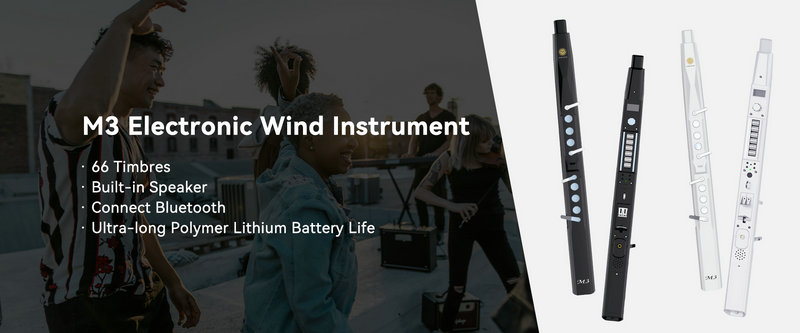
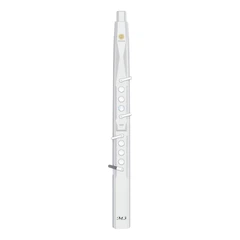
SUNRISE MELODY M3 Electronic Wind Instrument - The best-selling Electronic Wind Instrument
. 66 Timbres
. Built-in Speaker
. Connect Bluetooth
. Ultra-long Polymer Lithium Battery Life