

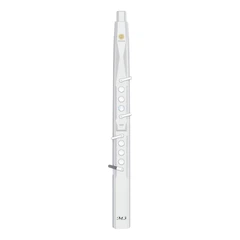

When considering the purchase of an Electronic Wind Instrument (EWI), there are several crucial aspects to take into account. These range from the instrument's basic features and build quality to its sound capabilities, connectivity options, and compatibility with other equipment. Understanding these elements will help you make an informed decision and ensure that you select an EWI that best suits your musical needs and preferences.
I. Build Quality and Ergonomics
A. Materials and Durability
The materials used in the construction of an EWI play a significant role in its durability and overall performance. High - quality plastics or metals are commonly used for the body of the instrument. For example, a robust metal body can provide better resistance to physical damage, such as bumps and drops, which is especially important if you plan to use the EWI in a variety of performance settings or during transportation.
The keys and buttons on the EWI should also be of good quality. They need to be responsive and able to withstand repeated use without wearing out quickly. Look for keys that have a smooth action and a solid feel when pressed. Some EWIs use rubber or silicone materials for the keys, which can offer a comfortable grip and good tactile feedback.
The mouthpiece is another critical component in terms of durability and comfort. It should be made of a material that is both hygienic and able to endure the constant contact with the player's lips. Some mouthpieces are made of a durable plastic that can be easily cleaned and maintained.
B. Ergonomic Design
An ergonomic design is essential for a comfortable playing experience, especially during long practice sessions or performances. The shape and weight of the EWI should fit well in your hands and be easy to hold. The instrument's balance is also important; it should not feel too top - heavy or bottom - heavy.
The position and layout of the keys and controls need to be intuitive. They should be within easy reach of your fingers so that you can operate them smoothly without having to contort your hands or fingers in an uncomfortable way. Some EWIs have adjustable hand rests or grips that can be customized to fit different hand sizes and playing styles.
The breath sensor in the mouthpiece should be sensitive enough to accurately detect your breath input, but not so sensitive that it triggers unwanted sounds. A well - designed breath sensor will allow for a natural and effortless playing experience, enabling you to control the volume and tone of the instrument with ease through your breath.
II. Sound Quality and Capabilities
A. Built - in Sound Libraries and Tones
The quality and variety of the built - in sound libraries are a major consideration when purchasing an EWI. A good EWI should offer a wide range of instrument sounds, including traditional wind instruments like saxophones, flutes, and clarinets, as well as a diverse selection of synthesized and electronic tones. For example, it might include sounds inspired by orchestral instruments such as strings and brass, which can be useful for composers and arrangers.
The realism of the emulated instrument sounds is an important factor. High - quality EWIs use advanced sound synthesis techniques to reproduce the nuances of traditional instruments, such as the vibrato and timbre changes of a saxophone. You can listen to demos or sample recordings to assess the authenticity of these sounds. Some EWIs also allow you to customize and tweak the built - in tones to create your own unique sounds.
In addition to instrument sounds, look for EWIs that offer a variety of sound effects. These can include reverb, delay, distortion, and modulation effects. The ability to add and adjust these effects can greatly enhance your musical creativity and performance capabilities. For example, a well - implemented reverb effect can make your EWI sound as if it's playing in a large concert hall or a small, intimate room.
B. Sound Customization and Editing
The ability to customize the sound of the EWI is a valuable feature. Some instruments come with software or onboard controls that allow you to adjust parameters such as pitch, volume, and tone color. You might be able to change the brightness or darkness of a sound, adjust the attack and decay times, or modify the harmonic content.
Advanced EWIs may offer more in - depth sound editing capabilities, such as the ability to create and save your own custom sound patches. This can involve manipulating the waveform, adding filters, and adjusting the envelope of the sound. Sound customization allows you to tailor the EWI's sound to specific musical genres or performance requirements. For example, you could create a bright and edgy sound for a rock - inspired piece or a mellow and warm sound for a ballad.
The sound output quality of the EWI also depends on its internal sound engine and digital - to - analog converters (DACs). A high - quality sound engine will produce clear and accurate sounds, while good DACs ensure that the digital signals are converted to analog audio with minimal loss of fidelity. When comparing different EWIs, it's a good idea to listen to them through the same high - quality speakers or headphones to get a better sense of their sound output differences.
III. Connectivity and Compatibility
A. MIDI and USB Connectivity
MIDI (Musical Instrument Digital Interface) connectivity is a crucial aspect of an EWI. A MIDI - enabled EWI can communicate with other MIDI - compatible devices, such as synthesizers, drum machines, and music software on a computer. This allows you to expand your sonic palette and control other instruments or software using the EWI as a controller. For example, you could use the EWI to trigger different drum sounds in a drum machine or play melodies on a software - based synthesizer.
USB connectivity is also important. It enables you to connect the EWI directly to a computer for various purposes. You can use it to transfer and manage sound libraries, update the instrument's firmware, or record your performances directly into music - production software. Some EWIs can even function as a USB audio interface, allowing you to record the audio output of the instrument directly into your computer without the need for an additional audio interface.
When considering connectivity, check the type and version of MIDI and USB ports on the EWI. Newer versions of MIDI (such as MIDI 2.0) and USB (such as USB 3.0 or higher) offer faster data transfer rates and more advanced features. However, you also need to ensure that your other musical equipment and software are compatible with the EWI's connectivity options.
B. Compatibility with Audio Equipment and Software
The EWI needs to be compatible with your existing audio equipment, such as amplifiers, speakers, and headphones. Some EWIs have specific output impedance requirements, and using them with incompatible equipment can result in poor sound quality or even damage to the instrument or the audio equipment. Check the manufacturer's specifications for recommended audio equipment and make sure your current setup meets those requirements.
Compatibility with music - production software is another important factor. Different EWIs may work better with certain software programs. Some EWIs come with their own dedicated software for sound editing and customization, while others are designed to work well with popular music - production software like Ableton Live, Logic Pro, or Cubase. Make sure the EWI you're considering is supported by the software you plan to use and that it offers seamless integration.
In addition to software compatibility, consider the EWI's ability to work with external controllers and pedals. For example, you might want to use an expression pedal to control the volume or a footswitch to change between different sound presets. The EWI should have the necessary ports and support for these external accessories to enhance your playing experience.
IV. Price and Value for Money
A. Price Range and Budget Considerations
EWIs come in a wide range of prices, from relatively inexpensive beginner models to high - end professional - grade instruments. The price of an EWI can be influenced by factors such as its build quality, sound capabilities, and connectivity options. Beginner models may cost a few hundred dollars and offer basic sound libraries and limited customization options. Mid - range EWIs, which are suitable for more serious hobbyists and semi - professional musicians, can range from around $500 to $1500 and usually have a better - quality build, more extensive sound libraries, and some advanced features like MIDI connectivity.
Professional - grade EWIs can cost upwards of $1500 and often come with top - notch build quality, a vast array of high - quality sound libraries, and advanced customization and connectivity features. When setting a budget for an EWI, consider your current level of musical proficiency, your long - term musical goals, and how much you're willing to invest in the instrument. If you're a beginner, it might be a good idea to start with a more affordable model and upgrade later as your skills and needs develop.
It's also important to consider the cost of any additional accessories you might need, such as a carrying case, a stand, or external controllers. These accessories can add to the overall cost of your EWI setup, so factor them into your budget calculations.
B. Value for Money and Long - Term Investment
To determine the value for money of an EWI, consider the features and capabilities it offers in relation to its price. A more expensive EWI might be a better value if it comes with a comprehensive sound library, advanced sound customization options, and reliable build quality that will last for years. Look for instruments that offer a good balance between price and features, and read reviews from other musicians to get an idea of how well a particular EWI holds up over time.
Consider the long - term investment aspect of purchasing an EWI. If you plan to use the instrument for a long time and potentially for professional purposes, it might be worth spending more on a high - quality model. A well - made EWI can retain its value relatively well, and you may even be able to sell it at a reasonable price later if you decide to upgrade. On the other hand, a cheap and poorly - made EWI may not provide a satisfying playing experience and could end up being a waste of money in the long run.
V. Brand and Customer Support
A. Reputable Brands and Their Offerings
There are several well - known brands in the EWI market, each with its own reputation and product offerings. Brands like Akai, Yamaha, and Roland are known for their high - quality musical instruments and electronics. These brands often invest in research and development to produce EWIs with advanced features, reliable build quality, and excellent sound capabilities.
Research the different brands and their product lines to find out which ones align with your musical needs and preferences. For example, Akai's EWIs may be known for their intuitive user interfaces and extensive connectivity options, while Yamaha's models might offer a more traditional playing experience with a focus on emulating the sounds of real wind instruments. Roland, on the other hand, could be recognized for its innovative sound - generation techniques and high - quality sound engines.
Look at the brand's history and track record in the music industry. A brand with a long - standing reputation is more likely to provide reliable products and good customer support. You can also check online forums and reviews to see what other musicians have to say about a particular brand's EWIs.
B. Warranty and Customer Support
A good warranty is an important consideration when purchasing an EWI. The warranty period can vary from one brand to another and from one model to the next. It's essential to understand what is covered under the warranty, such as manufacturing defects, parts replacement, and repair services. Some brands offer extended warranties for an additional cost, which can provide extra peace of mind.
Customer support is also crucial. Find out if the brand provides accessible and helpful customer service. This can include technical support for any issues you might encounter with the instrument, such as connectivity problems or software - related glitches. Some brands offer online support resources, such as user manuals, FAQs, and video tutorials, which can be very useful for learning how to use the EWI effectively.
In case you need to repair or service your EWI, it's beneficial to know if the brand has authorized service centers or technicians in your area. This can ensure a quicker and more reliable repair process, minimizing the downtime of your instrument.
In conclusion, purchasing an EWI requires careful consideration of multiple aspects. By evaluating the build quality and ergonomics, sound quality and capabilities, connectivity and compatibility, price and value for money, and brand and customer support, you can make a well - informed decision and choose an EWI that will provide you with a fulfilling and creative musical experience for years to come.
SUNRISE MELODY M1 Electronic Wind Instrument
. Revisit the passion and dreams of youth
. M1 electric clarinet wind instrument -- The good news for beginners
. Rich and diverse timbres
. Powerful functions and easy operation
. Perfect after-sales service
