

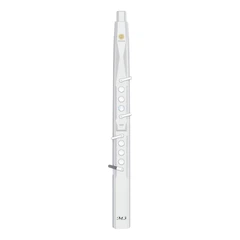

The Electronic Wind Instrument (EWI) has brought a revolutionary change to the world of music with its unique set of special sound effects. These effects have far-reaching implications for both music composition and performance, opening up new creative avenues and enhancing the overall musical experience.
I. Introduction to the EWI and Its Special Sound Effects
The EWI is a modern electronic musical instrument that emulates the playing style of traditional wind instruments but with the added advantage of advanced electronic capabilities. It can produce a wide variety of sounds and special effects that are not possible with acoustic instruments alone. These special effects range from subtle enhancements to radical transformations of the sound, allowing musicians to explore a diverse sonic palette.
A. The Range of Special Sound Effects
Pitch Modulation Effects
Vibrato: This effect adds a slight and continuous variation in pitch, similar to the natural vibrato produced by a skilled wind instrument player. It can add warmth and expressiveness to a melody, making it sound more alive and human. On the EWI, the vibrato can be controlled in terms of speed and intensity, giving the composer and performer precise control over the emotional impact of the sound.
Pitch Bend: This allows for a smooth transition between different pitches, enabling the creation of glissandos and other expressive pitch variations. It is particularly useful in creating smooth transitions between notes or adding a sense of fluidity to a musical line. In performance, a skilled EWI player can use pitch bend to add a unique flair to solos and improvisations.
Filter and Resonance Effects
Filters can shape the frequency content of the sound, emphasizing or attenuating different frequency ranges. For example, a low-pass filter can be used to make the sound warmer and more mellow by cutting off the high-frequency components, while a high-pass filter can create a more airy and bright sound by removing the low frequencies. Resonance effects can add a sense of emphasis and brightness at specific frequencies, giving the sound more character and presence.
These effects are valuable in music composition as they can help create different textures and moods. For instance, in a slow, atmospheric piece, using a low-pass filter can create a sense of mystery and calm, while in an energetic dance track, a high-pass filter with resonance can add a sharp and driving quality to the EWI sound.
Delay and Reverb Effects
Delay creates echoes of the original sound, with adjustable time intervals and feedback levels. It can be used to create rhythmic patterns and add depth to the sound. In a composition, a carefully crafted delay effect can make the EWI seem to be playing in a large, spacious environment, enhancing the overall sonic landscape.
Reverb simulates the natural reverberation of different spaces, such as a concert hall or a small room. It adds a sense of realism and ambience to the sound. In performance, reverb can help the EWI blend better with other instruments in a live setting or create a more immersive listening experience for the audience in a recorded piece.
Distortion and Overdrive Effects
Distortion adds a gritty and edgy quality to the sound, increasing the harmonic content and creating a more aggressive tone. It can be used sparingly to add emphasis to certain notes or passages in a composition or performance. Overdrive, on the other hand, provides a more subtle form of distortion, adding warmth and saturation to the sound.
These effects are popular in rock, jazz-fusion, and other genres where a more powerful and energetic sound is desired. They can make the EWI stand out in a band setting and add a unique flavor to the overall musical mix.
II. Impact on Music Composition
A. Expanding the Sonic Palette
The special sound effects of the EWI allow composers to access a vast array of new sounds and textures. They can incorporate sounds that mimic traditional instruments in unique ways, such as a distorted EWI sound that gives a new twist to a guitar-like riff or a filtered EWI tone that resembles a synthesized flute. This expansion of the sonic palette enables composers to create more diverse and interesting musical compositions.
Composers can use the combination of different special effects to create entirely new sonic landscapes. For example, layering a delay effect with a pitch modulation effect can create a dreamy and ethereal atmosphere, perfect for a film score or a ambient music piece. The ability to experiment with these effects gives composers the freedom to break away from traditional musical conventions and explore uncharted sonic territories.
B. Inspiring New Musical Ideas
The unique capabilities of the EWI's special effects can serve as a source of inspiration for composers. The ability to create unusual pitch bends or complex filter sweeps can lead to the discovery of new melodic and harmonic ideas. For instance, a composer might be inspired by the way a vibrato effect interacts with a particular chord progression, leading to the creation of a unique musical motif that becomes the foundation of a new piece.
These effects can also encourage composers to explore different musical genres and styles. A composer who typically works in classical music might be inspired by the distortion effects of the EWI to experiment with writing a rock-influenced piece or incorporate electronic elements into their compositions. This cross-genre exploration can lead to the creation of hybrid musical forms that are fresh and exciting.
C. Enhancing Musical Expression and Emotion
Special sound effects can add depth and emotion to a musical composition. A well-placed reverb effect can create a sense of longing or nostalgia, while a distortion effect can convey anger or intensity. Composers can use these effects to enhance the emotional impact of their music and connect with the audience on a deeper level.
For example, in a slow and melancholic piece, using a soft and subtle vibrato effect with a touch of reverb can evoke a sense of sadness and introspection. In a more upbeat and energetic composition, a combination of overdrive and delay effects can create a sense of excitement and drive. The ability to precisely control these effects allows composers to fine-tune the emotional content of their music.
D. Facilitating Textural and Structural Complexity
The EWI's special effects can be used to create complex musical textures. By using different filter settings and delay times, composers can create layers of sound that interact and weave together, adding depth and richness to the overall composition. For example, a composer might use a short delay on one EWI track and a longer delay on another, creating a rhythmic interplay between the two sounds.
These effects can also help in shaping the structure of a piece. A sudden change in a special effect, such as from a clean sound to a heavily distorted one, can signal a new section or a change in mood. This can add drama and tension to the music, guiding the listener through the different parts of the composition and creating a more engaging listening experience.
III. Impact on Music Performance
A. Increasing Expressiveness and Creativity
For performers, the special sound effects of the EWI offer a new level of expressiveness. They can use pitch bend and vibrato to add nuances and emotions to their solos, making each performance unique. The ability to control these effects in real-time allows for spontaneous creativity during a performance, enabling the performer to respond to the moment and interact with the other musicians in a more dynamic way.
Performers can also experiment with different combinations of effects to create their own signature sounds. For example, a jazz EWI player might develop a unique sound by combining a particular filter setting with a delay effect, giving their solos a distinct and recognizable style. This creativity not only enhances the performer's individual artistry but also adds to the overall excitement and variety of a live performance.
B. Adapting to Different Musical Genres and Settings
The EWI's special effects make it highly adaptable to different musical genres. In a jazz performance, the use of subtle pitch modulation effects and a touch of reverb can help the EWI blend in with the traditional jazz ensemble, adding a modern edge without overpowering the overall sound. In an electronic dance music setting, more extreme effects like distortion and heavy delay can be used to create a driving and energetic rhythm that gets the crowd moving.
In different performance settings, such as a small club or a large concert hall, the EWI's effects can be adjusted to suit the acoustics of the space. In a smaller venue with a more intimate atmosphere, a softer reverb setting might be used to create a closer and more personal connection with the audience. In a large hall, a more pronounced reverb and delay can help fill the space and create a more immersive sound experience.
C. Enhancing the Visual and Aural Experience for the Audience
The visual aspect of seeing a performer using the EWI with its various controls and effects can be engaging for the audience. It adds an element of modern technology and innovation to the performance, making it more visually appealing. The performer's interaction with the instrument and the manipulation of the effects can also create a sense of anticipation and excitement, as the audience wonders what unique sounds will be produced next.
From an aural perspective, the special effects of the EWI can enhance the overall listening experience. The rich and diverse sounds created by the effects can transport the audience to different sonic worlds, whether it's a dreamy ambient soundscape or an energetic rock-infused performance. The combination of visual and aural elements makes for a more memorable and immersive concert experience.
D. Facilitating Collaboration and Interaction with Other Musicians
In a band or ensemble setting, the EWI's special effects can facilitate better collaboration and interaction. The unique sounds produced by the EWI can add a new dimension to the overall sound of the group, allowing for more interesting musical conversations and interplay. For example, the EWI's delay effect can be used to create rhythmic patterns that interact with the drums and percussion, adding a sense of syncopation and groove.
The ability to adjust the effects in real-time also allows the EWI player to respond to the other musicians' performances and adapt their playing accordingly. This flexibility promotes a more dynamic and collaborative musical environment, where each musician can contribute to the overall creative output and create a more cohesive and engaging musical performance.
IV. Challenges and Considerations
A. Technical Proficiency and Learning Curve
Mastering the use of the EWI's special sound effects requires a certain level of technical proficiency. Performers need to learn how to operate the various controls and parameters effectively to achieve the desired sounds. This can involve understanding complex digital interfaces and learning how different effects interact with each other. The learning curve can be steep for some musicians, especially those who are more accustomed to traditional instruments.
Composers also need to have a good understanding of the capabilities and limitations of the EWI's effects to use them effectively in their compositions. They need to experiment and explore different settings to find the right combination of effects that will enhance their musical ideas without overwhelming the overall composition.
B. Maintaining Musicality and Artistic Integrity
While the special sound effects of the EWI can be exciting and creative, there is a risk of overusing them and losing the musicality of the performance or composition. It is important for musicians to use the effects in a way that serves the music and enhances its overall quality. The effects should be used to support the melody, harmony, and rhythm rather than overshadow them.
Musicians need to maintain their artistic integrity and ensure that the use of special effects is in line with their musical vision. They should not be solely driven by the novelty of the effects but rather use them to express their unique artistic voice and create meaningful musical experiences.
C. Equipment Compatibility and Reliability
The EWI's special effects often rely on compatible equipment such as amplifiers, speakers, and audio interfaces. Ensuring proper compatibility and reliable operation of this equipment is essential for a successful performance or composition. Issues such as signal interference, latency, or equipment failure can disrupt the use of the effects and affect the overall quality of the music.
Musicians need to invest in high-quality equipment and regularly maintain and test it to ensure smooth operation. They also need to be prepared with backup options in case of any equipment malfunctions during a performance or recording session.
In conclusion, the special sound effects of the EWI have had a profound impact on both music composition and performance. They have expanded the creative possibilities, enhanced the expressiveness and adaptability of the instrument, and provided a new means of engaging with the audience. While there are challenges and considerations to be aware of, with proper training, experimentation, and a focus on musicality, the EWI's special effects can continue to drive innovation and creativity in the world of music. Whether it's in the hands of a professional composer or a talented performer, the EWI holds the potential to create unique and memorable musical experiences that push the boundaries of traditional music-making.
SUNRISE MELODY M1 Electronic Wind Instrument
. Revisit the passion and dreams of youth
. M1 electric clarinet wind instrument -- The good news for beginners
. Rich and diverse timbres
. Powerful functions and easy operation
. Perfect after-sales service
