

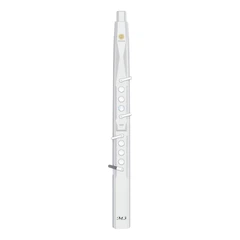

Selecting the right electronic wind instrument (EWI) can be a challenging yet exciting task. There are numerous factors to consider, including your musical goals, playing experience, budget, and personal preferences. This comprehensive guide will help you make an informed decision and find the perfect EWI for your needs.
I. Assess Your Musical Goals and Experience
A. Beginner - Friendly Options
If you're a beginner, it's essential to choose an EWI that is easy to learn and play. Look for instruments with a user - friendly interface and intuitive fingering systems. Some EWIs have keys that are similar to traditional wind instruments like the saxophone or clarinet, which can be beneficial if you have some prior experience with these instruments.
Consider the availability of learning resources. A good beginner - friendly EWI often comes with instructional materials such as user manuals, online tutorials, or even built - in lessons. These resources can help you quickly get started and understand the basic functions of the instrument, such as how to produce different pitches, adjust volumes, and use basic sound effects.
Start with an instrument that has a limited but well - curated selection of sounds. A basic set of traditional wind instrument sounds (like flute, saxophone, and trumpet) and a few simple electronic sounds can provide enough variety for beginners to explore different musical styles without overwhelming them with a vast array of complex sounds.
B. Intermediate and Advanced Players
For intermediate and advanced players, the focus might be on more advanced sound - shaping capabilities and extensive connectivity. You'll want an EWI that allows for in - depth sound customization, such as the ability to adjust the attack, decay, sustain, and release of each note, as well as manipulate the harmonic content and timbre of the sound.
Advanced players often look for instruments that can integrate seamlessly with other music - making equipment. MIDI (Musical Instrument Digital Interface) and USB connectivity are crucial for these players. With MIDI, you can control other synthesizers, drum machines, or software instruments, expanding your creative possibilities. USB connectivity enables you to connect the EWI to a computer for recording, sound editing, and firmware updates.
Consider the complexity and quality of the built - in sound libraries. Intermediate and advanced players may desire a wide range of high - quality instrument sounds that cover various musical genres. This includes not only traditional wind instruments but also orchestral strings, percussion, and a diverse selection of electronic and synthesized sounds. The realism and expressiveness of these sounds are also important factors to consider.
II. Sound Quality and Sound - Shaping Capabilities
A. Sound Libraries and Presets
The quality of the built - in sound libraries is a significant factor in choosing an EWI. High - quality EWIs offer a wide range of sounds that are sampled or synthesized with great precision. Look for instruments that have realistic emulations of traditional wind instruments. For example, the saxophone sound should have the characteristic warmth, vibrato, and tonal nuances that you would expect from a real saxophone.
The variety of presets is also important. A diverse set of presets can cover different musical styles and moods. There should be presets for classical music, with clear and mellow sounds; for jazz, with a more expressive and improvisational tone; and for electronic music, with edgy and futuristic sounds. Some EWIs also allow you to create and save your own presets, which is a valuable feature for those who want to develop their unique sound.
Consider the sound - shaping capabilities associated with the presets. Can you adjust the brightness, darkness, or overall tone color of a preset? Are there controls for adding effects like reverb, delay, or distortion to enhance the sound? These capabilities can transform a basic preset into a unique and personalized sound that suits your musical vision.
B. Sound Customization and Editing
In - depth sound customization is a key feature for many players. Look for an EWI that allows you to manipulate the fundamental parameters of the sound. This includes adjusting the pitch bend range, which determines how far you can bend a note's pitch; the modulation rate, which controls effects like vibrato or tremolo; and the filter cutoff and resonance, which shape the frequency content of the sound.
Some EWIs come with advanced sound - editing software that enables you to create complex sounds from scratch. You can use these tools to design your own waveforms, adjust the envelope of the sound (how the sound starts, sustains, and decays), and add multiple layers of sounds to create rich and textured sonic landscapes. This level of customization is ideal for composers and experimental musicians who want to push the boundaries of sound.
The ability to import and export sound patches is also a valuable feature. It allows you to share your custom - created sounds with other musicians or import sounds created by others. This can expand your sonic palette and provide inspiration for new musical ideas.
III. Build Quality and Ergonomics
A. Construction Materials and Durability
The build quality of an EWI is crucial for its long - term performance and reliability. Look for instruments made from high - quality materials. The body of the EWI can be constructed from durable plastics or metals. Metal - bodied EWIs are generally more robust and resistant to physical damage, such as bumps and drops. However, well - made plastic - bodied EWIs can also be durable and lightweight, making them more portable.
Examine the keys and buttons on the instrument. They should be made from materials that are both durable and responsive. High - quality keys have a smooth action and a solid feel when pressed. The materials used for the keys can also affect the overall comfort of playing. Some EWIs use rubber - coated or silicone keys that provide a good grip and tactile feedback.
The mouthpiece is an important part of the EWI's construction. It should be made from a hygienic and durable material. A well - designed mouthpiece is comfortable to use and provides accurate breath control. Some mouthpieces are detachable, which makes them easier to clean and maintain.
B. Ergonomic Design for Comfortable Playing
An ergonomic design is essential for a pleasant playing experience. Consider the shape and weight of the EWI. The instrument should feel balanced in your hands and not cause strain during long - term use. The grip and hand - rest areas should be designed to fit comfortably in your hands, and the position of the keys and controls should be intuitive and easy to reach.
The breath sensor in the mouthpiece is a critical component for ergonomics. It should be sensitive enough to respond to your breath input accurately but not so sensitive that it triggers unwanted sounds. A well - designed breath sensor allows for a natural and effortless playing experience, enabling you to control the volume and tone of the instrument through your breath with ease.
Some EWIs offer adjustable features for ergonomic comfort. For example, you may be able to adjust the angle of the mouthpiece or the position of the hand - rests to better suit your playing style. These adjustable elements can make a significant difference in your overall comfort and playing performance.
IV. Connectivity and Compatibility
A. MIDI and USB Connectivity
MIDI connectivity is a must - have for many musicians. It allows the EWI to communicate with other MIDI - compatible devices, such as synthesizers, drum machines, and music software. With MIDI, you can use the EWI as a controller to trigger sounds on other instruments or to send and receive musical data. For example, you can play a melody on the EWI and have it control a software - based string section in a music - production software.
USB connectivity is also important. It provides a direct connection to a computer, enabling you to transfer sound libraries, update firmware, and record your performances. Some EWIs can function as a USB audio interface, allowing you to record the audio output of the instrument directly into your computer without the need for an additional audio interface. Check the type and version of the USB port on the EWI to ensure compatibility with your computer and other devices.
Consider the ease of use and setup of the MIDI and USB connections. Some EWIs have plug - and - play functionality, while others may require additional software or drivers to be installed. Make sure the connection process is straightforward and that the instrument is compatible with your existing music - making setup.
B. Compatibility with Audio Equipment and Software
The EWI needs to be compatible with your audio equipment, such as amplifiers, speakers, and headphones. Check the output impedance and signal level of the EWI to ensure it matches the input requirements of your audio devices. Using an EWI with incompatible audio equipment can result in poor sound quality or even damage to the equipment.
Compatibility with music - production software is another crucial factor. Different EWIs may work better with certain software programs. Look for instruments that are well - supported by popular music - production software like Ableton Live, Logic Pro, or Cubase. Some EWIs come with their own dedicated software for sound editing and customization, which can be a plus if it offers useful features and a user - friendly interface.
Consider the ability of the EWI to work with external controllers and pedals. For example, you may want to use an expression pedal to control the volume or a footswitch to change between different sound presets. Make sure the EWI has the necessary ports and support for these external accessories.
V. Budget Considerations
A. Price Ranges and Value for Money
EWIs come in a wide range of prices, from relatively inexpensive beginner models to high - end professional - grade instruments. The price of an EWI can vary depending on factors such as build quality, sound capabilities, and connectivity options. Beginner models can cost a few hundred dollars and usually offer basic sound libraries and limited customization options.
Mid - range EWIs, which are suitable for more serious hobbyists and semi - professional musicians, typically range from around $500 to $1500. These instruments often have better - quality build, more extensive sound libraries, and some advanced features like MIDI connectivity. High - end EWIs can cost upwards of $1500 and usually come with top - notch build quality, a vast array of high - quality sound libraries, and advanced customization and connectivity features.
Consider the value for money when choosing an EWI. A more expensive instrument may offer better sound quality, more advanced features, and greater durability. However, you need to assess whether these additional benefits are worth the extra cost for your specific needs. Look for instruments that offer a good balance between price and features and read reviews from other musicians to get an idea of their performance and value.
B. Hidden Costs and Accessories
When budgeting for an EWI, don't forget to consider any hidden costs and accessories. You may need to purchase a carrying case to protect the instrument during transportation, a stand to hold the EWI while playing, or additional cables for connectivity. These accessories can add to the overall cost of your EWI setup.
Some EWIs require specific power supplies or batteries. Make sure to factor in the cost of these power sources and their availability. Additionally, if you plan to use external controllers or pedals, you'll need to budget for these as well. Consider the total cost of ownership, including the instrument, accessories, and any future upgrades or replacements.
VI. Brand Reputation and Customer Support
A. Well - Known Brands and Their Offerings
There are several well - established brands in the EWI market. Brands like Akai, Yamaha, and Roland are known for their high - quality musical instruments and electronics. These brands often have a reputation for reliable build quality, excellent sound capabilities, and good customer support.
Research the different brands and their product lines to understand their strengths and weaknesses. For example, Akai's EWIs may be known for their innovative features and user - friendly interfaces, while Yamaha's models might focus on emulating the sounds of traditional wind instruments with great accuracy. Roland's EWIs could be recognized for their advanced sound - generation techniques and extensive connectivity options.
Look at the brand's history and track record in the music industry. A brand with a long - standing reputation is more likely to provide reliable products and consistent customer support. You can also check online reviews and forums to see what other musicians have to say about a particular brand's EWIs.
B. Warranty and After - Sales Service
A good warranty is an important consideration when choosing an EWI. The warranty period can vary from one brand to another and from one model to the next. Make sure to understand what is covered under the warranty, such as manufacturing defects, parts replacement, and repair services. Some brands offer extended warranties for an additional cost, which can provide extra peace of mind.
Customer support is crucial, especially if you encounter any issues with your EWI. Find out if the brand provides technical support, either through a customer service hotline, online support resources, or authorized service centers. Good customer support can help you quickly resolve any problems and get back to playing your instrument.
In conclusion, choosing an EWI that suits you requires careful consideration of your musical goals, playing experience, sound quality, build quality, connectivity, budget, brand reputation, and customer support. By taking the time to evaluate these factors, you can find an EWI that will provide you with a fulfilling and creative musical experience for years to come.
SUNRISE MELODY M1 Electronic Wind Instrument
. Revisit the passion and dreams of youth
. M1 electric clarinet wind instrument -- The good news for beginners
. Rich and diverse timbres
. Powerful functions and easy operation
. Perfect after-sales service
