
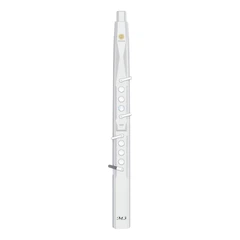


Digital wind instruments, including digital saxophones and other similar instruments, have become increasingly popular in recent years. These instruments combine traditional wind instrument playing techniques with advanced digital technology, offering musicians a wide range of new creative possibilities. One of the most important aspects of playing digital wind instruments is breath control ability. In this article, we will explore the specific impacts of breath control ability on digital wind instrument playing.
I. Tone Quality
Breath control has a significant impact on the tone quality of digital wind instruments. Just like traditional wind instruments, the way a musician controls their breath can greatly affect the timbre, volume, and resonance of the sound produced. With digital wind instruments, the electronic components can enhance and manipulate the sound, but the fundamental quality still depends on the player's breath control.
A musician with good breath control can produce a rich, full, and resonant tone. By controlling the speed, pressure, and direction of the air flow, they can create a wide variety of tonal colors and textures. For example, a gentle breath can produce a soft, mellow sound, while a stronger breath can create a more powerful and intense tone.
On the other hand, a musician with poor breath control may produce a thin, weak, or unsteady tone. This can make the instrument sound less expressive and less engaging. Therefore, developing good breath control is essential for achieving a high-quality tone on digital wind instruments.
II. Dynamics and Expression
Breath control also plays a crucial role in adding dynamics and expression to digital wind instrument playing. By varying the strength and intensity of their breath, a musician can create a wide range of volume levels, from soft whispers to loud blasts. This allows them to add emotional depth and nuance to their performances.
For example, a musician can use a gradual increase in breath pressure to create a crescendo, building up the intensity of a passage. Conversely, they can use a decrease in breath pressure to create a decrescendo, softening the sound and creating a more delicate effect. By mastering these techniques, a musician can bring a piece of music to life and convey a wide range of emotions.
In addition to volume control, breath control can also be used to add other forms of expression, such as vibrato and tremolo. Vibrato is a slight fluctuation in pitch created by varying the air flow, while tremolo is a rapid oscillation in volume created by alternating between strong and weak breaths. These techniques can add warmth and character to the sound, making it more expressive and engaging.
III. Technique and Accuracy
Good breath control is also essential for achieving technical accuracy on digital wind instruments. Many advanced playing techniques, such as fast passages, trills, and grace notes, require precise control of the air flow. Without proper breath control, these techniques can be difficult or impossible to execute cleanly.
For example, playing a fast passage requires a steady and consistent air flow, as well as the ability to control the speed and intensity of the breath. A musician with good breath control can execute these passages with ease, while a musician with poor breath control may struggle to keep up the tempo or produce a muddy sound.
In addition, accurate intonation is also dependent on good breath control. The pitch of a digital wind instrument can be affected by the air pressure and speed, so a musician must be able to adjust their breath control to maintain correct pitch. This requires a high level of sensitivity and control, which can only be achieved through practice and training.
IV. Endurance and Stamina
Playing digital wind instruments can be physically demanding, especially for long periods of time. Good breath control can help a musician conserve energy and increase their endurance and stamina. By using efficient breathing techniques, a musician can reduce the amount of effort required to produce sound, allowing them to play for longer periods without getting tired.
For example, a musician can use diaphragmatic breathing, which involves breathing from the abdomen rather than the chest. This type of breathing allows for a deeper inhalation and a more controlled exhalation, reducing the strain on the lungs and muscles. In addition, a musician can also learn to pace themselves and take breaks when needed, allowing their body to rest and recover.
V. Creativity and Expression
Finally, breath control can also have a significant impact on a musician's creativity and expression on digital wind instruments. By experimenting with different breathing techniques and styles, a musician can discover new sounds and textures that can add unique character to their playing.
For example, a musician can use circular breathing, which involves inhaling through the nose while simultaneously exhaling through the mouth, creating a continuous stream of air. This technique can be used to create long, sustained notes or complex rhythmic patterns that would be impossible with normal breathing.
In addition, a musician can also use breath control to create special effects, such as distortion, reverb, or delay. These effects can be added using digital processing software or built-in effects on the instrument, but the way they are applied and controlled depends on the musician's breath control.
In conclusion, breath control ability is essential for playing digital wind instruments. It has a significant impact on tone quality, dynamics and expression, technique and accuracy, endurance and stamina, and creativity and expression. By developing good breath control skills, a musician can enhance their playing and bring their music to life. Whether you are a beginner or an advanced player, focus on improving your breath control and you will see a significant improvement in your digital wind instrument playing.
SUNRISE MELODY M1 Electronic Wind Instrument
. Revisit the passion and dreams of youth
. M1 electric clarinet wind instrument -- The good news for beginners
. Rich and diverse timbres
. Powerful functions and easy operation
. Perfect after-sales service


