

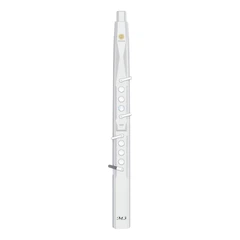

The electric saxophone is a unique and versatile instrument that can produce a wide range of sounds and expressions. However, to truly master this instrument and bring out its full potential, one must possess excellent breath control ability. Breath control is not only essential for producing a beautiful tone but also for adding dynamics, expression, and musicality to your playing. In this article, we will explore the importance of breath control in playing the electric saxophone.
I. Tone Production
The quality of tone is one of the most important aspects of playing any musical instrument, and the electric saxophone is no exception. A good tone is rich, full, and resonant, and it can only be achieved through proper breath control. When you play the electric saxophone, the air you blow through the instrument vibrates the reed and creates sound. The way you control your breath determines the quality and character of this sound.
If you have weak breath control, your tone will be thin, weak, and lacking in resonance. On the other hand, if you have strong breath control, you can produce a tone that is full, powerful, and expressive. By learning to control your breath, you can adjust the volume, intensity, and timbre of your tone, giving you greater control over the musical expression.
II. Dynamics and Expression
Dynamics refer to the variations in volume and intensity of a musical piece. Breath control is essential for adding dynamics and expression to your playing. By controlling the amount of air you blow through the instrument, you can create soft, delicate passages as well as loud, powerful ones. This allows you to add contrast and emotion to your music, making it more engaging and interesting.
For example, when playing a slow ballad, you can use soft, gentle breaths to create a tender and emotional atmosphere. On the other hand, when playing an upbeat jazz piece, you can use strong, powerful breaths to add energy and excitement. By mastering breath control, you can add nuances and subtleties to your playing, making it more expressive and musical.
III. Long Phrases and Endurance
Playing the electric saxophone often requires playing long phrases and passages without taking a breath. This requires excellent breath control and endurance. If you run out of breath in the middle of a phrase, it can disrupt the flow of the music and ruin the performance. By learning to control your breath and use it efficiently, you can play longer phrases and passages with ease.
To improve your endurance, you can practice long tone exercises and gradually increase the duration of your breaths. You can also practice playing through long musical passages without taking a breath, building up your stamina and endurance over time. By developing strong breath control and endurance, you can play more complex and demanding pieces with confidence.
IV. Improvisation and Creativity
Improvisation is an important aspect of playing the electric saxophone, and breath control can greatly enhance your improvisational skills. When you improvise, you need to be able to react quickly and spontaneously to the music, adding new ideas and expressions on the fly. Breath control allows you to add dynamics, accents, and phrasing to your improvisations, making them more interesting and engaging.
For example, you can use sudden bursts of air to add accents and emphasis to your improvisations, or you can use long, sustained breaths to create a more lyrical and expressive passage. By mastering breath control, you can be more creative and spontaneous in your improvisations, adding your own unique style and personality to the music.
V. Overall Musicality
In addition to the specific aspects mentioned above, breath control is also essential for overall musicality. A musician with good breath control can bring out the nuances and subtleties of a piece of music, making it more engaging and emotional. They can also play with more confidence and authority, adding to the overall impact of the performance.
By focusing on breath control, you can improve your musicality in many ways. You can learn to listen more carefully to the music and respond to it with your breath, adding depth and meaning to your playing. You can also develop a better sense of phrasing and rhythm, as well as a more intuitive understanding of musical structure.
In conclusion, breath control ability is of utmost importance in playing the electric saxophone. It affects tone production, dynamics and expression, long phrases and endurance, improvisation and creativity, and overall musicality. By developing strong breath control skills, you can take your playing to the next level and bring out the full potential of this amazing instrument. Whether you are a beginner or an advanced player, make breath control a priority in your practice routine and watch your playing improve over time.
SUNRISE MELODY M1 Electronic Wind Instrument
. Revisit the passion and dreams of youth
. M1 electric clarinet wind instrument -- The good news for beginners
. Rich and diverse timbres
. Powerful functions and easy operation
. Perfect after-sales service
