

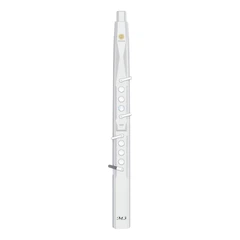

The electric flute and traditional saxophone are two distinct musical instruments with their own unique tonal characteristics. Understanding the differences in tone between these two instruments can help musicians and music enthusiasts appreciate their individual qualities and make informed choices when it comes to performing or listening to music.
I. Instrument Characteristics
A. Electric Flute
Construction: The electric flute is typically made of metal or a combination of materials and features electronic components such as pickups, processors, and speakers. It may have a more modern and streamlined design compared to traditional flutes.
Sound Production: The sound of an electric flute is generated electronically. When the player blows into the mouthpiece, the air flow is detected by a sensor, which then triggers an electronic signal. This signal is processed by the instrument's electronics and amplified through a speaker or connected to an external amplification system.
Tone Control: Electric flutes often offer a wide range of tone control options. Players can adjust parameters such as volume, tone color, reverb, and other effects using knobs, switches, or digital interfaces. This allows for a highly customizable sound.
B. Traditional Saxophone
Construction: Traditional saxophones are usually made of brass and have a more traditional and organic design. They consist of a conical tube, keys, and a mouthpiece.
Sound Production: The sound of a traditional saxophone is produced by the player blowing air into the mouthpiece, causing a reed to vibrate. The vibrations are then amplified by the resonating body of the instrument.
Tone Control: Tone control on a traditional saxophone is achieved through the player's breath control, embouchure (the way the lips and mouth are positioned on the mouthpiece), and finger technique. Different combinations of these elements can produce a variety of tones and expressions.
II. Tone Qualities
A. Electric Flute
Brightness and Clarity: Electric flutes often have a bright and clear tone. The electronic processing can enhance the high frequencies, giving the sound a sharp and defined quality. This can make the instrument stand out in a mix and be particularly effective in genres such as pop, rock, and electronic music.
Versatility: With the ability to adjust tone color and effects, electric flutes can mimic a wide range of sounds, from traditional flute tones to synthesized sounds and even sounds of other instruments. This versatility makes them suitable for a variety of musical styles and creative applications.
Consistency: Since the sound is generated electronically, electric flutes tend to have a more consistent tone across different registers and playing dynamics. This can be advantageous for players who need a reliable and predictable sound for recording or live performances.
B. Traditional Saxophone
Warmth and Richness: Traditional saxophones are known for their warm and rich tone. The brass construction and reed vibration create a complex and full-bodied sound that is full of character. This makes the saxophone a popular choice for genres such as jazz, blues, and classical music.
Expressiveness: The combination of breath control, embouchure, and finger technique allows players to achieve a high level of expressiveness on the traditional saxophone. The tone can be manipulated to convey a wide range of emotions, from soft and delicate to powerful and passionate.
Organic Sound: The natural sound production of the traditional saxophone gives it an organic quality that is difficult to replicate with electronic instruments. The imperfections and nuances in the sound add to its charm and authenticity.
III. Playing Techniques and Tone Production
A. Electric Flute
Breath Control: While breath control is still important for playing an electric flute, it may not have the same impact on tone production as it does on a traditional flute. The electronic processing can compensate for some variations in breath pressure, allowing players to focus more on expression and technique.
Finger Technique: Finger technique on an electric flute is similar to that of a traditional flute, but the electronic components may offer additional features such as pitch bend, vibrato, and other effects that can be controlled by finger movements.
Tone Production: The tone production on an electric flute is more reliant on the electronic processing than on the player's physical interaction with the instrument. This means that players need to understand how to use the tone control options effectively to achieve the desired sound.
B. Traditional Saxophone
Breath Control: Breath control is crucial for producing a good tone on a traditional saxophone. The player must use proper breathing techniques to control the air flow and pressure, which directly affects the volume, tone color, and expressiveness of the sound.
Embouchure: The embouchure, or the way the lips and mouth are positioned on the mouthpiece, is also essential for tone production on a traditional saxophone. Different embouchure positions can produce different tones and expressions, and players need to develop a consistent and effective embouchure through practice.
Finger Technique: Finger technique on a traditional saxophone is important for playing fast passages and complex melodies. The keys must be pressed accurately and with the right amount of pressure to produce clean and clear notes. Additionally, finger vibrato and other techniques can be used to add expression to the sound.
IV. Applications and Musical Styles
A. Electric Flute
Pop and Electronic Music: Electric flutes are often used in pop and electronic music genres due to their bright and modern sound. They can add a unique and distinctive element to a song, whether as a lead instrument or as part of a background texture.
Film and Video Game Music: The versatility of electric flutes makes them a popular choice for film and video game music composers. They can create a wide range of moods and atmospheres, from epic and heroic to mysterious and ethereal.
Experimental and Contemporary Music: Electric flutes are also well-suited for experimental and contemporary music, where musicians are constantly exploring new sounds and techniques. The ability to customize the tone and effects allows for endless creative possibilities.
B. Traditional Saxophone
Jazz and Blues: The traditional saxophone is a staple instrument in jazz and blues music. Its warm and expressive tone is perfect for improvisation and creating a laid-back and soulful atmosphere.
Classical Music: Saxophones are also used in classical music, although to a lesser extent than in jazz and popular music. They can add a rich and colorful sound to orchestral and chamber music compositions.
Rock and Pop: In some rock and pop songs, the saxophone can be heard as a solo instrument or as part of a horn section. Its distinctive sound can add a touch of nostalgia and romance to the music.
In conclusion, the electric flute and traditional saxophone have distinct differences in tone, construction, playing techniques, and applications. Each instrument has its own unique qualities and can be used to create a wide variety of musical expressions. Whether you prefer the bright and modern sound of the electric flute or the warm and organic tone of the traditional saxophone, both instruments offer endless possibilities for musicians and music lovers alike.
SUNRISE MELODY M1 Electronic Wind Instrument
. Revisit the passion and dreams of youth
. M1 electric clarinet wind instrument -- The good news for beginners
. Rich and diverse timbres
. Powerful functions and easy operation
. Perfect after-sales service
