


Company Profile
SUNRISE MELODY Is a Brand of shenzhen shengyang musical instruments technology co., ltd.
Since 2015, shenzhen shengyang musical instruments technology co., ltd. From China has been a professional manufacturer of digital musical instruments for over more than 10 years. Has more than 60,000 square meters of working shops, our overseas sales market is in Shenzhen. The electronic piano, electronic wind instrument, silicone electronic drums, and other items are among our primary offerings.
Why Choose SUNRISE MELODY
Our factory
Since 2015, shenzhen shengyang musical instruments technology co., ltd. From china has been a professional manufacturer of digital musical instruments for over more than 10 years.
Our product
Has more than 60,000 square meters of working shops,our overseas sales market is in shenzhen,the electronic piano, electronic wind instrument, silicone electronic drums, and other items are among our primary offerings.
Production market
Our digital wind instruments and pianos have been tested in a variety of settings and are especially good for classrooms, beginning students, and more experienced players. Around the world, a lot of families and kids are interested in listening to music, but their budgets prevent them from doing so.
Our service
We really seek for seasoned foreign distributors, wholesalers, and other sales partners that are enthusiastic about expanding music's global reach.Whether you're searching for digital wind instruments and pianos that are ready to sell for your market or custom items, we have a large selection of affordable choices. Please contact us to discuss additional information.
Models available for purchase online:

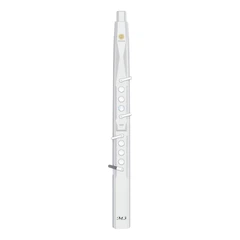
M3 Electronic Wind Instrument
Don't merely think about learning. Take action. With its advanced digital audio engine and extremely user-friendly layout, the SUNRISE MELODY M3 Wind Instrument will enable you to play within moments.
The battery-operated SUNRISE MELODY M3 Wind Instrument makes learning and performing both effortless and enjoyable, regardless of your proficiency level. Boasting 66 built-in sounds to select from, intuitive recorder-like fingering, and a sensitive breath detector that offers an excellent tone instantly, you possess all that is necessary to embark on your musical adventure.
What is Wind Controller EWI?
A wind controller EWI, sometimes referred to as a wind synthesizer, is an electronic wind instrument. It is usually a midi controller associated with one or more music synthesizers. Unlike wind controllers, they do not trigger notes and are intended for use in conjunction with a keyboard or synthesizer. A breath controller can be used with a keyboard midi controller to add articulation and expression to notes sounded on the keyboard. For example, a performer who has pressed a long-held note on the keyboard with a sustained sound, such as a string pad, could blow harder into the breath controller set to control volume to make this note crescendo or gradually blow more and more gently to make the volume die away.
Advantages of SUNRISE MELODY Wind Controller EWI
Versatility
With advancements in technology, wind controller ewi can produce a range of instrument sounds, making them highly adaptable for musicians like you who are interested in exploring different genres of music, from jazz and classical to pop and beyond.
Ease of play
Traditional wind instruments can be challenging to learn, with complex fingerings and embouchure control. Wind controller ewi, however, offer an easier path to learning, with intuitive fingerings and no need for embouchure control.
Portability
Wind controller ewi save you from lugging around with a heavy and bulky box. Its lightweight and portable design makes it easy to carry wherever you go. If you worry about bothering others while practicing, electronic wind controller allow you to practice in silence with headphones.
Cost-effectiveness
Traditional wind instruments can be expensive, with some instruments costing thousands of dollars. Wind controller ewi, however, are a cost-effective alternative that offers a range of instrument sounds at a fraction of the cost.

The wind controller ewiutilizes the same fingering system, which is present in most woodwind musical instruments. Alternatively, it can also be used using a much simpler system, seemingly like a recorder.
Wind controller ewi provide the same feel as a saxophone, but the difference is that the keys are touched rather than pressed for a longer time in the acoustic versions. Moreover, the latest models, and the portable and most affordable ewi usb, feature the multi-mode, which can be switched to different fingering modes, such as flute, and the sax. The fingering system is the same as each octave, but keys and rollers are allotted to produce portamento or increase, decrease, or bend the pitch.
When it comes to breathing control, the wind controller ewi is much more sensitive and needs less effort from its player. With the air pressure sensor, it allows users to adjust the instrument sensitivity based on their liking, providing more comfortability and the ability to reach dynamic ranges, genres, and styles.
Breath – A mouthpiece connected to an air-pressure sensor sends a series of midi breath messages which can be used as a volume envelope control voltage.
Bite – Pressure on the mouthpiece sends a series of midi mod-wheel messages which can be used as a control voltage for any synthesizer parameter.
Keys – Capacitive touch sensors are arranged in a simplified saxophone layout; combinations of keys send midi note messages.
Octave – Push the joystick under your left thumb upwards to jump up a complete octave, push further to jump up a second octave, or push downwards to jump down one or two octaves – a total range of 5 octaves.
Bend – Push the joystick under your left thumb horizontally to pitch-bend a note: Left to bend down, right to bend up.
Midi out socket – Connect by cable to midi in on a midi module or separate synthesizer.
What Types Of Sounds Can A Wind Controller EWI Produce?


Timbre Table of Sunrise Melody M3
| Serial number | Timbre | Serial number | Timbre |
| 1 | Electric flute | 34 | Clarinet |
| 2 | Electronic solo | 35 | Brass 1 |
| 3 | Popular flute | 36 | Brass 2 |
| 4 | Bamboo flute | 37 | Brass 3 |
| 5 | Vibrato flute | 38 | Trombone |
| 6 | Xun | 39 | Bass strings |
| 7 | Pan flute | 40 | Fifth space |
| 8 | Pipa | 41 | Piano |
| 9 | Erhu | 42 | Electronic string |
| 10 | Morin khuur | 43 | Crystal piano |
| 11 | Suona | 44 | Church organ |
| 12 | Bells | 45 | Bottle blow |
| 13 | Soft alto saxophone | 46 | Recorder |
| 14 | Alto saxophone | 47 | Synthesizer |
| 15 | Soprano saxophone | 48 | Oboe |
| 16 | Tenor saxophone | 49 | British tube |
| 17 | Saxophone | 50 | Electric Organ |
| 18 | Trumpet | 51 | Popular trumpet |
| 19 | Harmonica | 52 | Organ 1 |
| 20 | French horn | 53 | Organ 2 |
| 21 | Synthetic bass | 54 | National viola |
| 22 | Electronic music 1 | 55 | Cello |
| 23 | Electronic music 2 | 56 | Okarena |
| 24 | Violin | 57 | Contrabass |
| 25 | Harmonium | 58 | Piccolo |
| 26 | Viola | 59 | Flute |
| 27 | Cucurbit flute | 60 | Guitar |
| 28 | Accordion | 61 | Celesta |
| 29 | Chinese Zither | 62 | Wind unison |
| 30 | Vertical Flute | 63 | Timpani |
| 31 | Sheng | 64 | Malimba |
| 32 | Shakuhachi | 65 | Electronic square wave |
| 33 | Drum kit | 66 | Sawtooth wave |
How to Maintain SUNRISE MELOD Wind Controller EWI
Mouthpiece: Clean the mouthpiece after each use to prevent the buildup of moisture and bacteria. Use a mild soap and warm water, and make sure to dry it thoroughly before reattaching it to the instrument.
Body: Wipe down the body of the ewi electronic wind instrument with a soft, dry cloth to remove fingerprints, dust, and other debris. Avoid using harsh chemicals or abrasive materials that could damage the surface.
Case: Store your ewi electronic wind instrument in a protective case when not in use. This helps prevent physical damage and keeps dust and dirt away from the instrument.
Environment: Keep the ewi electronic wind instrument in a cool, dry place. Avoid exposing it to extreme temperatures or humidity, as these conditions can affect the electronic components.
Rechargeable batteries: If your ewi electronic wind instrument uses rechargeable batteries, make sure to follow the manufacturer's guidelines for charging and storage. Avoid overcharging and store the batteries in a cool, dry place.
Battery replacement: Regularly check the battery compartment for any signs of corrosion or leakage. Replace batteries as needed to ensure consistent performance.
Firmware: Keep the ewi electronic wind instrument's firmware up to date by regularly checking the manufacturer's website for updates. Firmware updates can improve functionality and fix any bugs or issues.
Sound libraries: If your ewi electronic wind instrument supports additional sound libraries, make sure to update and manage these libraries to keep your instrument's sound palette fresh and versatile.
Connections: Regularly inspect all connections, including usb, midi, and headphone jacks, to ensure they are clean and free from dust or debris. Use compressed air to gently clean these areas if needed.
Sensors and keys: Check the breath sensor and touch-sensitive keys for any signs of wear or malfunction. If you notice any issues, consult the user manual or contact the manufacturer for troubleshooting tips.
Service centers: If your ewi electronic wind instrument requires more extensive maintenance or repairs, take it to an authorized service center. Professional technicians have the tools and expertise to handle complex issues.
Warranty: If your ewi electronic wind instrument is still under warranty, make sure to follow the manufacturer's guidelines for maintenance and repairs to avoid voiding the warranty.
Reference guide: Always refer to the user manual for specific maintenance instructions and guidelines provided by the manufacturer. The manual will have detailed information tailored to your specific ewi electronic wind instrument model.