
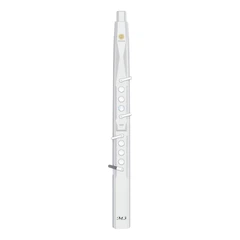


The saxophone is a popular musical instrument known for its rich and expressive sound. There are two main types of saxophones: the electric saxophone and the wooden saxophone. While both instruments share some similarities, they also have several distinct differences. In this essay, we will explore the differences between an electric saxophone and a wooden saxophone in terms of their construction, sound quality, playability, and applications.
I. Construction
A. Materials
Wooden Saxophone
The wooden saxophone is typically made of materials such as maple, rosewood, or ebony. These woods are chosen for their durability, resonance, and aesthetic appeal.
The body of the wooden saxophone is usually handcrafted, with great attention paid to the selection and shaping of the wood. The keys are made of metal, such as brass or nickel silver, and are attached to the body with screws or pins.
Electric Saxophone
The electric saxophone, on the other hand, is made of materials such as plastic, metal, or a combination of both. The body is often lightweight and designed for portability.
The keys of the electric saxophone are usually made of plastic or rubber, and are designed to be more durable and resistant to wear and tear than the keys of a wooden saxophone.
B. Electronics
Wooden Saxophone
The wooden saxophone is a purely acoustic instrument, meaning it does not have any electronic components. The sound is produced by the vibration of the reed and the air column inside the instrument.
Electric Saxophone
The electric saxophone, as the name suggests, is an electronic instrument. It has built-in electronics that allow the player to control the sound and add various effects. The sound is produced by a pickup or sensor that converts the vibration of the reed into an electrical signal, which is then processed by the instrument's electronics and sent to an amplifier or speaker.
II. Sound Quality
A. Tone
Wooden Saxophone
The wooden saxophone is known for its warm, rich, and organic tone. The natural resonance of the wood gives the instrument a unique character and depth of sound.
The tone of a wooden saxophone can vary depending on the type of wood used, the quality of craftsmanship, and the player's technique. Different woods produce different tonal qualities, with some woods being brighter and others being darker.
Electric Saxophone
The electric saxophone, on the other hand, can produce a wide range of tones, from traditional saxophone sounds to more modern and experimental tones. The electronics of the instrument allow the player to adjust the tone by changing the settings on the amplifier or using effects pedals.
The tone of an electric saxophone can be more synthetic and less organic than that of a wooden saxophone. However, it can also be more versatile and customizable, allowing the player to create unique sounds that are not possible with a traditional acoustic instrument.
B. Volume
Wooden Saxophone
The volume of a wooden saxophone is limited by its acoustic nature. While it can be played loudly, it is not as loud as an electric instrument and may not be suitable for large venues or outdoor performances without amplification.
Electric Saxophone
The electric saxophone can be played at very high volumes without losing its tone quality. The amplifier or speaker system can be adjusted to control the volume, making it suitable for large venues, concerts, and recording sessions.
C. Projection
Wooden Saxophone
The projection of a wooden saxophone is also limited by its acoustic nature. The sound of a wooden saxophone tends to be more directional and may not carry as far as the sound of an electric instrument.
Electric Saxophone
The electric saxophone can be connected to a larger sound system, allowing the sound to be projected over a greater distance. The electronics of the instrument can also be adjusted to enhance the projection and clarity of the sound.
III. Playability
A. Weight and Portability
Wooden Saxophone
The wooden saxophone is relatively heavy and bulky, making it less portable than an electric instrument. It requires a case for transportation and storage, and may be more difficult to carry around for gigs or rehearsals.
Electric Saxophone
The electric saxophone is lightweight and compact, making it highly portable. It can be easily carried in a gig bag or backpack, and is ideal for musicians who need to travel frequently or perform in different locations.
B. Key Action
Wooden Saxophone
The keys of a wooden saxophone are typically made of metal and are designed to be responsive and precise. However, they may require more maintenance and adjustment over time to ensure proper playability.
Electric Saxophone
The keys of an electric saxophone are usually made of plastic or rubber and are designed to be more durable and resistant to wear and tear. They may also be easier to press down, making them more suitable for players with weaker fingers or those who are new to the instrument.
C. Breath Control
Wooden Saxophone
Playing a wooden saxophone requires a certain level of breath control and technique. The player must be able to control the airflow and pressure to produce a consistent and expressive sound.
Electric Saxophone
The electric saxophone may require less breath control than a wooden saxophone, as the electronics can help to amplify and enhance the sound. However, players still need to have good breath control to produce a natural and musical tone.
IV. Applications
A. Musical Genres
Wooden Saxophone
The wooden saxophone is widely used in various musical genres, including jazz, classical, blues, and rock. It is known for its versatility and ability to produce a wide range of emotions and expressions.
Electric Saxophone
The electric saxophone is often used in modern and experimental music genres, such as electronic music, fusion, and avant-garde. It is also popular in some pop and rock bands, where it can add a unique and futuristic sound.
B. Performance Settings
Wooden Saxophone
The wooden saxophone is suitable for a wide range of performance settings, including concerts, recitals, jazz clubs, and orchestras. It can be played solo or as part of an ensemble.
Electric Saxophone
The electric saxophone is more commonly used in amplified settings, such as rock concerts, clubs, and recording studios. It can also be used in live performances with backing tracks or as part of an electronic music act.
C. Recording
Wooden Saxophone
The wooden saxophone is often preferred for recording sessions due to its natural and organic sound. It can be easily miked up and captured with high fidelity.
Electric Saxophone
The electric saxophone can also be used for recording, but it may require more processing and effects to achieve the desired sound. The electronics of the instrument can be adjusted to create different tones and textures, making it suitable for a variety of recording applications.
In conclusion, the electric saxophone and the wooden saxophone are two distinct instruments with their own unique characteristics and applications. While the wooden saxophone is known for its traditional sound and craftsmanship, the electric saxophone offers more versatility and customization options. The choice between the two instruments depends on the player's personal preferences, musical style, and performance needs. Whether you choose to play a wooden saxophone or an electric saxophone, both instruments can provide a rewarding and enjoyable musical experience.
SUNRISE MELODY M1 Electronic Wind Instrument
. Revisit the passion and dreams of youth
. M1 electric clarinet wind instrument -- The good news for beginners
. Rich and diverse timbres
. Powerful functions and easy operation
. Perfect after-sales service


