

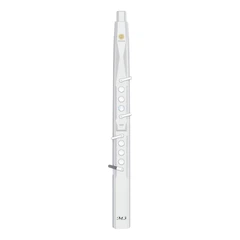

The electric saxophone and the guitar are two distinct musical instruments, each with its own unique set of skills required for mastery. In this essay, we will explore the various differences in the skills needed to play these two instruments.
The Electric Saxophone:
Embouchure Control:
One of the most crucial skills for playing the electric saxophone is developing proper embouchure. This involves the way the player uses their lips, teeth, and tongue to control the flow of air into the instrument.
The embouchure must be strong yet flexible to produce a wide range of tones and dynamics. Players need to practice maintaining a consistent embouchure while playing different notes and phrases.
Developing the right embouchure takes time and patience, as it requires building up the muscles in the lips and face.
Breath Control:
Breath control is essential for producing a smooth and consistent sound on the electric saxophone. Players must learn to take deep breaths and control the release of air to create different volumes and intensities.
Understanding how to use the diaphragm and abdominal muscles to support the breath is crucial for long phrases and sustained notes.
Breath control also plays a role in adding expression and emotion to the music, as players can use changes in breath pressure to create crescendos, decrescendos, and other dynamic effects.
Finger Technique:
The electric saxophone has keys that the player presses to change pitches. Developing accurate and nimble finger technique is essential for playing melodies and scales smoothly.
Players need to practice moving their fingers quickly and precisely, while also maintaining proper hand position and posture.
Finger technique also includes learning different fingerings for alternate notes and trills, as well as using the keys to create articulations like staccato and legato.
Tone Production:
Creating a beautiful tone is a key skill for electric saxophone players. This involves not only the embouchure and breath control but also the way the player uses their air stream and the instrument's settings.
Players can experiment with different mouthpieces, reeds, and electronics to find the tone that suits their style and musical preferences.
Tone production also includes adding vibrato and other expressive techniques to enhance the music.
Improvisation:
The electric saxophone is often used in jazz and other improvised music genres. Therefore, players need to develop the skill of improvisation, which involves creating spontaneous melodies and phrases on the spot.
Improvisation requires a good understanding of music theory, as well as the ability to listen and respond to other musicians in the ensemble.
Players can practice improvisation by playing along with recordings, participating in jam sessions, or taking improvisation classes.
The Guitar:
Chord Formation:
One of the fundamental skills for playing the guitar is learning how to form chords. Chords are groups of notes played simultaneously, and they are the building blocks of many songs.
Players need to learn different chord shapes and fingerings for major, minor, and other types of chords. They also need to be able to switch between chords quickly and smoothly.
Chord formation requires practice and dexterity, as players need to press down on the strings with their fingers in specific positions to create the desired notes.
Strumming and Picking:
Strumming and picking are two main techniques for playing the guitar. Strumming involves using a pick or the fingers to brush across the strings in a rhythmic pattern, while picking involves plucking individual strings with a pick or the fingers.
Players need to develop a sense of rhythm and timing to strum or pick in sync with the music. They also need to learn different strumming patterns and picking techniques to add variety and expression to their playing.
Strumming and picking can be used to create different textures and dynamics in the music, from soft and gentle to loud and aggressive.
Fingerstyle Technique:
Fingerstyle playing involves using the fingers to pluck the strings individually, rather than using a pick. This technique allows for more complex and expressive playing, as players can create melodies, bass lines, and accompaniments simultaneously.
Fingerstyle players need to develop strong finger independence and dexterity, as well as the ability to coordinate different fingers to play different parts of the music.
Fingerstyle technique also includes using various ornaments and techniques like hammer-ons, pull-offs, and slides to add color and expression to the music.
Music Theory:
A good understanding of music theory is essential for playing the guitar. This includes knowledge of scales, chords, keys, and harmony.
Players need to be able to read sheet music and tablature, as well as understand chord progressions and song structures.
Music theory also helps players improvise and compose their own music, as they can use their knowledge of scales and chords to create melodies and harmonies.
Tone Production:
Like the electric saxophone, tone production is an important skill for guitar players. This involves not only the choice of guitar and pickups but also the way the player uses their hands and fingers to create different tones.
Players can experiment with different playing styles, such as fingerpicking, strumming, and using effects pedals, to find the tone that suits their music.
Tone production also includes adding vibrato, bending notes, and using other expressive techniques to enhance the music.
In conclusion, playing the electric saxophone and the guitar requires different sets of skills. While both instruments offer unique opportunities for musical expression, players need to invest time and effort in developing the specific skills required for each instrument. Whether you choose to play the electric saxophone or the guitar, the journey to mastery is a rewarding one that can bring joy and fulfillment for a lifetime.
SUNRISE MELODY M1 Electronic Wind Instrument
. Revisit the passion and dreams of youth
. M1 electric clarinet wind instrument -- The good news for beginners
. Rich and diverse timbres
. Powerful functions and easy operation
. Perfect after-sales service
