
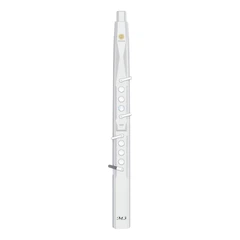


The electric saxophone and the wooden saxophone are two distinct instruments, each with its own set of unique characteristics and requirements for mastery. In this essay, we will explore the specific skills needed to play these two instruments effectively.
I. Playing the Electric Saxophone
A. Embouchure and Breath Control
Developing a proper embouchure is crucial for playing the electric saxophone. This involves learning how to position the lips, teeth, and tongue to create a controlled airstream.
The lips should be firm yet flexible, and the teeth should be gently placed on the mouthpiece to provide stability.
The tongue can be used to control the airflow and create articulations such as tonguing and slurring.
Breath control is also essential for producing a consistent sound. Players need to learn how to take deep breaths and control the release of air to maintain a steady tone.
Experimenting with different embouchure and breath control techniques can help players achieve a wide range of sounds and expressions.
For example, a more relaxed embouchure can produce a softer, more mellow tone, while a tighter embouchure can create a brighter, more piercing sound.
Varying the speed and intensity of the airflow can also add dynamics and emotion to the music.
B. Finger Technique
The electric saxophone typically has keys similar to a traditional saxophone, but the action may be lighter and more responsive.
Players need to develop precise finger technique to accurately press the keys and produce clean notes.
This includes learning proper hand position and finger placement to ensure smooth and efficient movement.
Finger exercises and scales can help improve dexterity and speed.
Many electric saxophones also have additional features such as buttons or pads that can be used to trigger effects or change settings.
Mastering these controls requires practice and familiarity with the instrument's functionality.
Players may need to learn how to combine finger technique with the use of these controls to create complex and engaging performances.
C. Sound Manipulation and Effects
One of the main advantages of the electric saxophone is its ability to produce a wide variety of sounds through the use of electronics and effects.
Players need to understand how to use these features to enhance their playing and create unique sonic textures.
This may involve learning how to adjust parameters such as volume, tone, reverb, and distortion.
Experimenting with different effects combinations can lead to new creative possibilities.
Sound manipulation can also be used to mimic other instruments or create entirely new sounds.
For example, a player may use a filter effect to make the electric saxophone sound like a flute or a synthesizer.
Learning how to use effects creatively can add depth and interest to performances.
D. Improvisation and Creativity
The electric saxophone is often used in genres such as jazz, fusion, and electronic music, which place a high value on improvisation.
Players need to develop the ability to spontaneously create melodies and phrases on the fly.
This requires a good understanding of music theory, scales, and chord progressions, as well as the confidence to take risks and explore new ideas.
Improvisation can be practiced through soloing over backing tracks or participating in jam sessions.
Creativity is also important when playing the electric saxophone. Players can experiment with different playing styles, techniques, and sounds to develop their own unique voice.
This may involve incorporating elements from other genres or using unconventional approaches to playing the instrument.
Encouraging creativity can lead to more engaging and memorable performances.
II. Playing the Wooden Saxophone
A. Traditional Embouchure and Breath Control
Playing the wooden saxophone requires a more traditional approach to embouchure and breath control.
The lips should be firmly pressed against the mouthpiece, creating a seal that allows for a controlled airstream.
The teeth should be gently placed on the mouthpiece to provide support.
Breath control is essential for producing a full, rich sound. Players need to learn how to take deep breaths and use the diaphragm to control the airflow.
Developing a consistent embouchure and breath control takes time and practice. Players should start with simple exercises and gradually increase the difficulty as they improve.
Long tones, scales, and arpeggios can help develop breath control and tone quality.
Working with a teacher or experienced player can provide valuable feedback and guidance.
B. Finger Technique and Mechanics
The wooden saxophone has a more traditional key mechanism than the electric saxophone, requiring precise finger technique and coordination.
Players need to learn proper hand position and finger placement to ensure accurate note production.
Finger exercises and scales can help improve dexterity and speed.
Developing a smooth and fluid finger action is essential for playing complex passages and melodies.
Understanding the mechanics of the instrument is also important. Players should be familiar with how the keys work and how to maintain the instrument properly.
Regular cleaning and maintenance can help ensure the instrument plays well and lasts a long time.
Learning how to adjust the key heights and pads can improve the instrument's responsiveness.
C. Tone Production and Expression
The wooden saxophone is known for its warm, rich tone. Players need to learn how to produce this tone through proper embouchure, breath control, and resonance.
Experimenting with different mouthpieces and reeds can help achieve the desired tone.
Varying the intensity and direction of the airstream can add dynamics and expression to the music.
Expression is an important aspect of playing the wooden saxophone. Players can use techniques such as vibrato, glissando, and phrasing to add emotion and character to their performances.
Learning how to use these techniques effectively requires practice and a good ear for music.
Listening to great saxophone players can provide inspiration and help develop a sense of musical expression.
D. Classical and Jazz Styles
The wooden saxophone is often used in classical and jazz music, two genres with distinct playing styles and requirements.
Classical saxophone playing emphasizes precision, technique, and musicality. Players need to be able to read sheet music accurately and perform with a high level of artistry.
Jazz saxophone playing, on the other hand, emphasizes improvisation, creativity, and a sense of swing. Players need to be able to improvise solos over chord progressions and interact with other musicians in a band setting.
Developing proficiency in both classical and jazz styles can expand a player's musical horizons and open up more performance opportunities.
Studying with a teacher who specializes in both genres can be helpful.
Listening to recordings of great classical and jazz saxophonists can also provide inspiration and guidance.
In conclusion, playing the electric saxophone and the wooden saxophone each require a unique set of skills. While there are some similarities in terms of embouchure, breath control, and finger technique, the two instruments also have their own distinct characteristics and requirements. Whether you choose to play the electric saxophone for its modern sound and versatility or the wooden saxophone for its traditional charm and expressiveness, both instruments offer endless opportunities for musical exploration and creativity.
SUNRISE MELODY M1 Electronic Wind Instrument
. Revisit the passion and dreams of youth
. M1 electric clarinet wind instrument -- The good news for beginners
. Rich and diverse timbres
. Powerful functions and easy operation
. Perfect after-sales service


