
The connection methods for external devices of electric wind instruments are diverse and play a crucial role in expanding the capabilities and versatility of these instruments.
One of the common connection methods is through audio cables. The 1/4-inch audio cables are widely used for basic setups. They are sturdy and can handle a good amount of signal transfer. When connecting an electric wind instrument to an amplifier or a mixer, these cables provide a reliable analog audio signal path. They are easy to find and relatively inexpensive, making them a popular choice for many musicians. On the other hand, XLR cables are known for their professional-grade quality. They offer balanced signals, which means they are less susceptible to noise and interference. This makes them ideal for connecting electric wind instruments to high-quality microphones or audio interfaces. The balanced nature of XLR cables ensures a clean and clear signal, enhancing the overall sound quality.
USB connections have become increasingly popular in recent years. Many electric wind instruments come with USB ports that allow for direct connection to computers or digital audio workstations (DAWs). This connection method offers several advantages. Firstly, it enables direct recording of the instrument's sound, without the need for additional hardware. Secondly, USB connections often provide power to the instrument, eliminating the need for separate power supplies. This simplifies the setup and makes it more convenient for musicians on the go. Additionally, USB connections allow for integration with software plugins and virtual instruments, opening up a world of creative possibilities.
MIDI connections are another important option for electric wind instruments. MIDI (Musical Instrument Digital Interface) is a protocol that enables communication between different musical instruments and computers. Electric wind instruments with MIDI capabilities can be connected to MIDI controllers, synthesizers, or DAWs using MIDI cables. This allows for control over various parameters such as pitch, volume, and effects. MIDI connections also enable the triggering of other musical events, such as playing a specific note on a synthesizer or starting a drum loop. This level of control and integration makes MIDI connections a powerful tool for musicians looking to expand their sonic palette.
Wireless connections are also available for some electric wind instruments. Bluetooth and Wi-Fi connections offer greater freedom of movement and can be convenient for live performances or studio setups where cable management is a concern. However, wireless connections may introduce some latency or signal interference, which can affect the performance. It's important to consider these factors when choosing a wireless connection method. Some musicians may find that wireless connections are suitable for certain applications, while others may prefer the reliability of wired connections.
In addition to these common connection methods, there are also dedicated interface units available that are specifically designed for connecting electric wind instruments to external devices. These interface units may offer additional features such as signal processing, amplification, and multiple connectivity options. They can be a valuable addition to a musician's setup, providing a centralized point of connection and enhancing the overall sound quality.
When choosing a connection method for an electric wind instrument, it's important to consider several factors. These include the type of external devices you want to connect to, the quality of the signal required, the ease of use, and the portability of the setup. Experimenting with different connection methods can help you find the best setup for your specific needs and musical style. Whether you prefer the simplicity of audio cables, the convenience of USB connections, the control offered by MIDI, or the freedom of wireless connections, there is a connection method available to suit your requirements.
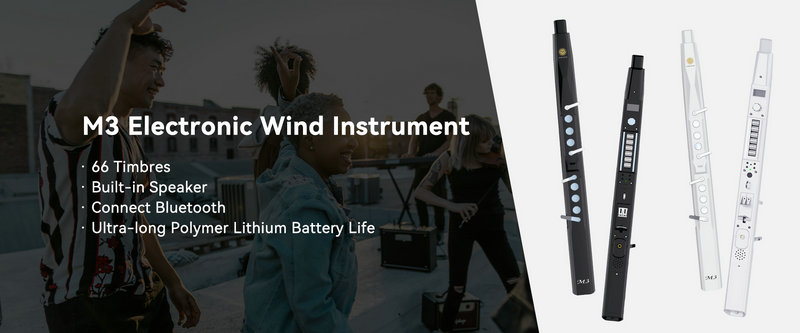
SUNRISE MELODY M3 Electronic Wind Instrument - The best-selling Electronic Wind Instrument
. 66 Timbres
. Built-in Speaker
. Connect Bluetooth
. Ultra-long Polymer Lithium Battery Life