
In the studio, electric wind instruments can perform exceptionally well, bringing a host of benefits and unique qualities to the recording process.
Sound Quality and Versatility
Electric wind instruments offer an extensive range of tonal possibilities. They are capable of accurately mimicking traditional wind instrument sounds, yet they also open up a world of unique electronic modifications and effects. This versatility allows producers and musicians to explore a diverse array of sonic landscapes that might be hard to achieve with purely acoustic instruments. The sound produced by these instruments is consistent and can be precisely adjusted and fine-tuned. Whether it's volume, tone, pitch, or a specific effect, every parameter can be controlled with great accuracy, ensuring a polished and professional sound that meets the highest standards.
Recording Convenience
Compared to their acoustic counterparts, electric wind instruments are relatively quiet. This characteristic reduces the need for extensive soundproofing in the studio, making the recording environment more accessible and cost-effective. It also enables multiple tracks to be recorded simultaneously without the unwanted bleed or interference that can occur with louder acoustic instruments. Additionally, these instruments can be directly connected to audio interfaces and digital recording equipment. This direct connection minimizes the potential for signal loss and noise pickup that often plagues microphone-based and analog setups. It results in a cleaner, more reliable signal that can be easily manipulated and processed during the mixing and mastering stages.
Integration with Technology
Electric wind instruments are designed to seamlessly integrate with modern music production software and digital audio workstations. This integration allows for effortless editing, layering, and manipulation of the recorded sound. Musicians can take advantage of a wide range of plugins and virtual instruments to enhance the performance or combine the electric wind instrument with other electronic elements. This level of integration gives artists the freedom to experiment and create complex musical arrangements that push the boundaries of creativity.
However, it's important to note that there are some considerations when using electric wind instruments in the studio. Some musicians may find that these instruments lack the natural feel and expressiveness of acoustic instruments. The physical interaction with an acoustic instrument can often lead to a more intuitive and emotional performance, which might be difficult to replicate with an electric counterpart. Additionally, the learning curve for operating the electronic controls and integrating with technology can be steep for some users. It may take time and practice to fully master the instrument's capabilities and make the most of its features.
In conclusion, electric wind instruments can be a valuable addition to the studio environment. Their unique combination of sound quality, versatility, recording convenience, and integration with technology make them a powerful tool for musicians and producers alike. While they may not replace acoustic instruments entirely, they offer a fresh perspective and new creative possibilities that can enhance the overall recording process and final product.
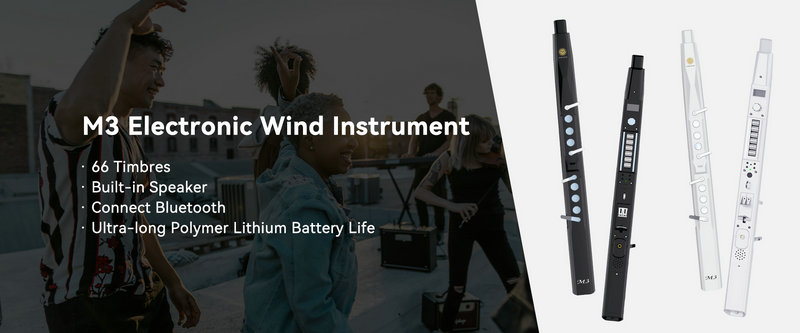
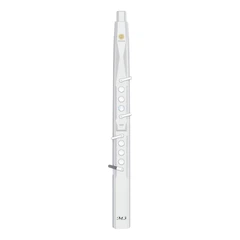
SUNRISE MELODY M3 Electronic Wind Instrument - The best-selling Electronic Wind Instrument
. 66 Timbres
. Built-in Speaker
. Connect Bluetooth
. Ultra-long Polymer Lithium Battery Life