
Several factors typically affect the service life of electric wind instruments:
Usage and Handling
Frequency of use: Instruments that are used frequently are more likely to experience wear and tear over time. Constant playing can lead to degradation of components such as keys, pads, and valves.
Handling and care: Rough handling, dropping the instrument, or subjecting it to impacts can damage internal components and shorten its lifespan. Proper handling and storage in a protective case when not in use can help prolong its life.
Cleaning and maintenance: Neglecting to clean the instrument regularly can lead to buildup of dirt, moisture, and debris, which can affect its performance and longevity. Regular cleaning and maintenance, including wiping down the exterior, cleaning the mouthpiece, and checking for loose parts, can help keep the instrument in good condition.
Environmental Factors
Temperature and humidity: Extreme temperatures and high humidity can damage the instrument. Exposure to heat can cause the plastic and metal parts to warp or melt, while high humidity can lead to rust and corrosion. Storing the instrument in a cool, dry place and avoiding exposure to direct sunlight can help protect it from environmental damage.
Dust and dirt: Dust and dirt can accumulate inside the instrument and affect its functionality. Regular cleaning and using dust covers when not in use can help prevent dust buildup.
Atmospheric pressure changes: Rapid changes in atmospheric pressure, such as during air travel, can cause the instrument to leak or malfunction. Using a pressure-regulated case or taking proper precautions when traveling can help minimize the risk of damage.
Quality of Components and Manufacturing
Material quality: The quality of materials used in the construction of the instrument can have a significant impact on its lifespan. High-quality materials such as durable plastics, metals, and electronics are more likely to withstand wear and tear and last longer.
Manufacturing processes: Instruments that are manufactured with precision and care are generally more reliable and have a longer service life. Poor manufacturing quality can lead to defects and weaknesses that may cause the instrument to fail prematurely.
Upgrades and Modifications
Upgrading components: While upgrading certain components of the instrument can enhance its performance, improper installation or using incompatible parts can damage the instrument and shorten its lifespan. It's important to ensure that any upgrades are done by a qualified technician and using genuine parts.
Modifications: Custom modifications to the instrument may void the warranty and can potentially cause damage if not done properly. Modifications should be carefully considered and carried out by experienced professionals to avoid compromising the instrument's longevity.
In conclusion, the service life of an electric wind instrument depends on various factors, including usage and handling, environmental conditions, quality of components, and upgrades/modifications. By taking proper care of the instrument, protecting it from environmental damage, and ensuring quality upgrades and modifications, musicians can extend the lifespan of their electric wind instruments and enjoy many years of playing
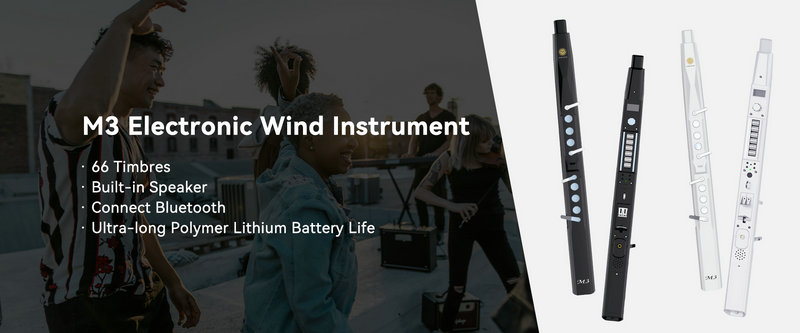
SUNRISE MELODY M3 Electronic Wind Instrument - The best-selling Electronic Wind Instrument
. 66 Timbres
. Built-in Speaker
. Connect Bluetooth
. Ultra-long Polymer Lithium Battery Life