
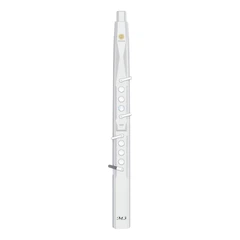


I. Introduction to Digital Wind Instruments
Digital wind instruments have emerged as a revolutionary category in the music industry, combining the traditional playing techniques of wind instruments with modern digital technology. These instruments include digital saxophones, digital flutes, digital trumpets, etc. Their tone characteristics are a fascinating area of study that showcases the unique blend of the old and the new.
II. Richness and Versatility of Tones
A. Traditional Instrument Tone Simulation
Faithful Reproduction
Digital wind instruments are capable of accurately simulating the tones of their traditional counterparts. For example, a digital saxophone can mimic the warm and mellow sound of an alto saxophone, the bright and penetrating tone of a soprano saxophone, or the deep and resonant sound of a tenor saxophone. This is achieved through advanced digital sampling technology. Manufacturers record the sounds of high - quality traditional instruments under various playing conditions, including different pitches, dynamics, and articulations. These samples are then stored in the instrument's memory and are carefully calibrated to be reproduced with great fidelity.
Variety of Traditional Tones
Not only can they simulate a single type of traditional instrument, but digital wind instruments can also provide a range of traditional tone options within the same family. In the case of digital trumpets, they can reproduce the sounds of different trumpet models, each with its own unique timbre characteristics. This allows musicians to access a wide palette of traditional sounds without having to own multiple physical instruments. It also enables them to switch between different traditional tones seamlessly during a performance, adding a new dimension to their musical expression.
B. Creation of Novel Electronic Tones
Synthetic Tones
One of the most exciting aspects of digital wind instruments is their ability to generate synthetic tones. These are tones that do not exist in the traditional acoustic world. Using digital signal processing algorithms, these instruments can create sounds that range from otherworldly and ethereal to bold and futuristic. For example, a digital wind instrument can produce a tone that combines elements of a string section with the attack of a wind instrument, creating a unique hybrid sound. These synthetic tones can be adjusted in terms of their harmonic content, envelope, and other parameters, giving musicians an almost infinite range of sonic possibilities.
Sound Effects and Modifications
Digital wind instruments often come equipped with a plethora of sound effects and modification options. Musicians can add reverb to create a sense of space, delay to produce echo - like effects, or chorus to thicken the sound. They can also modify the tone's brightness, making it more or less sharp, or adjust the tone's warmth, giving it a more or less mellow quality. These effects can be combined and adjusted in real - time during a performance, allowing for highly creative and dynamic sonic landscapes.
III. Tone Quality and Purity
A. High - Resolution Sound Generation
Digital Signal Processing Precision
Digital wind instruments rely on digital signal processing to generate sound. The internal processing systems of these instruments are designed with high - precision algorithms. These algorithms ensure that the sound waves produced are of high resolution. For example, the waveform of a note played on a digital saxophone can be accurately defined in terms of its frequency, amplitude, and phase. This high - resolution sound generation results in a clear and detailed tone, free from the artifacts and distortions that might be present in lower - quality audio systems.
Sample Rate and Bit Depth
The sample rate and bit depth of digital wind instruments play a crucial role in determining tone quality. Higher sample rates mean that more samples of the sound are taken per second, resulting in a more accurate representation of the original sound. Similarly, a higher bit depth allows for a greater range of amplitude values to be represented, resulting in a more nuanced and detailed sound. High - end digital wind instruments often have sample rates and bit depths comparable to professional audio recording equipment, ensuring that the tones produced are of the highest quality.
B. Elimination of Unwanted Noise
Noise Reduction Technology
Digital wind instruments incorporate noise reduction technology to eliminate unwanted background noise. During the playing process, there may be external noises such as ambient room noise or electrical interference. The internal electronics of these instruments are designed to filter out such noises. This is achieved through a combination of hardware filters and software algorithms. For example, low - pass filters can be used to remove high - frequency electrical noise, while adaptive noise - cancelling algorithms can analyze the background noise and subtract it from the overall sound signal, resulting in a pure and clean tone.
Isolation of Playing Sound
Another aspect of tone purity in digital wind instruments is the isolation of the playing sound. The sensors and pickups in these instruments are designed to accurately capture only the sound produced by the player's actions, such as blowing air through the mouthpiece and pressing the keys. This ensures that the tone is not contaminated by extraneous sounds from the instrument's mechanical components or other sources, further enhancing the overall quality of the tone.
IV. Dynamic Range and Expressiveness
A. Wide Dynamic Range
From Softest to Loudest
Digital wind instruments possess an impressive dynamic range. They can produce sounds ranging from the softest pianissimo to the loudest fortissimo. The digital amplification systems within these instruments are designed to handle a wide range of input signals from the player's breath and finger actions. For example, a gentle breath on a digital flute can produce a soft, delicate tone, while a forceful blast of air can result in a powerful and loud sound. This wide dynamic range allows musicians to convey a great deal of emotion and expression in their playing, from the most tender and intimate moments to the most intense and dramatic passages.
Smooth Transitions
Not only can digital wind instruments achieve a wide dynamic range, but they can also make smooth transitions between different dynamic levels. The digital processing of the sound ensures that there are no sudden jumps or glitches when changing from a soft to a loud sound or vice versa. This smoothness of transitions is crucial for creating a natural and expressive performance, as it mimics the way a traditional wind instrument responds to the player's control of breath and dynamics.
B. Articulation and Expression
Emulating Traditional Articulations
Digital wind instruments are designed to emulate the various articulations of traditional wind instruments. This includes techniques such as staccato, legato, slurs, and trills. Through the use of sensors that detect the player's finger movements and breath control, the digital instrument can reproduce these articulations with remarkable accuracy. For example, a staccato note on a digital saxophone will have the same sharp and detached quality as on a traditional saxophone, while a legato passage will flow smoothly with seamless transitions between notes.
Enhanced Expressiveness
In addition to emulating traditional articulations, digital wind instruments also offer enhanced expressiveness. Musicians can use the additional features of these instruments, such as the ability to control the attack and decay of a note, to add more personality to their playing. They can also adjust the vibrato depth and speed in real - time, creating a more emotive and engaging performance. The combination of traditional articulation emulation and these enhanced expressive features makes digital wind instruments a powerful tool for musical expression.
V. Consistency of Tone across Different Playing Conditions
A. Temperature and Humidity Independence
Immunity to Environmental Factors
Unlike traditional wind instruments, which can be affected by changes in temperature and humidity, digital wind instruments are relatively immune to these environmental factors. The sound generation in digital wind instruments is based on digital technology rather than the physical properties of materials that are sensitive to temperature and humidity. For example, the pitch of a traditional wooden flute can change with variations in humidity, but a digital flute will maintain a consistent tone regardless of the environmental conditions. This stability makes digital wind instruments reliable for performances in various settings, from outdoor concerts to indoor studios.
Reliable Performance in Different Climates
Digital wind instruments can be used in different climates around the world without the need for extensive acclimatization. Whether it's a hot and humid tropical environment or a cold and dry arctic climate, these instruments will produce consistent tones. This is a significant advantage for touring musicians who often face changing environmental conditions during their travels.
B. Long - Term Stability
Durability of Tone Quality
Digital wind instruments maintain their tone quality over the long term. The electronic components and software algorithms that govern the sound generation are designed to be stable and reliable. There is no degradation of tone quality due to wear and tear of the instrument's physical structure, as might be the case with traditional wind instruments. For example, the keys on a digital saxophone do not affect the tone quality over time as they do not have a direct impact on the sound generation process in the same way as in a traditional saxophone. This long - term stability ensures that the instrument will continue to perform at a high level throughout its lifespan.
Calibration and Maintenance
While digital wind instruments require less maintenance compared to traditional ones, they still have calibration procedures to ensure consistent tone. However, these calibration processes are usually simple and can be done easily by the user or a technician. For example, some digital wind instruments have built - in calibration functions that can be accessed through a menu on the instrument's display. This allows for quick and efficient adjustments to maintain the instrument's tone quality over time.
SUNRISE MELODY M1 Electronic Wind Instrument
. Revisit the passion and dreams of youth
. M1 electric clarinet wind instrument -- The good news for beginners
. Rich and diverse timbres
. Powerful functions and easy operation
. Perfect after-sales service


