

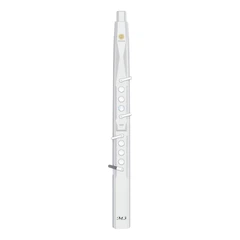

Main Components and Functions of the Electric Saxophone
1. Body Section
Shape and Structure: The body of an electric saxophone generally has a similar shape to a traditional saxophone, with a curved and elongated design. It provides a framework for other components and is designed to be held and played comfortably. The length and size of the body can vary depending on whether it's an alto, tenor, soprano, or other types of electric saxophones.
Material and Purpose: Commonly made of materials such as plastic or composite materials. Plastic bodies are lightweight, making the instrument easy to carry and handle. These materials also offer good durability and resistance to environmental factors. Some high - end models may use more advanced composite materials to achieve better sound resonance and a more solid feel. The body contains a series of keys which are used to control the pitch. By pressing different combinations of keys, players can produce a wide range of notes from the low to the high register. Additionally, the body often houses some of the electronic components, such as the circuit board for processing sound signals. In some cases, sensors are installed near the mouthpiece or the bell to detect the player's breath and key movements.
2. Mouthpiece
Shape and Size: The mouthpiece of an electric saxophone is a crucial part that significantly affects the playing feel and tone. It comes in different shapes and sizes. The opening size of the mouthpiece (also known as the tip opening) varies and influences the difficulty of playing and the brightness of the tone. A larger tip opening requires more breath but can produce a fuller and more open tone, while a smaller one is easier to control the breath and may result in a sharper and more focused tone.
Material and Its Impact: Mouthpieces are made of various materials including hard rubber, plastic, and metal. Hard - rubber mouthpieces usually produce a warm and soft tone, which is a favorite among many jazz musicians. Plastic mouthpieces are more affordable and are a good choice for beginners. Metal mouthpieces can generate a bright and sharp tone, suitable for modern music styles or situations where a penetrating tone is needed.
3. Electronic Components
Pickups and Sensors
Function: These are the core parts of the electronic system of an electric saxophone. Pickups are responsible for collecting sound signals. They can detect the vibration of the reed or the air column inside the instrument. Sensors are used to sense the strength of the player's breath, as well as the pressing and releasing of keys. Once these signals are collected, they are sent to the internal circuit board for processing.
Importance: The accuracy and sensitivity of pickups and sensors directly affect the quality of the sound produced and the responsiveness of the instrument to the player's actions.
Tone - Modulation Module
Function: Electric saxophones usually come with a wide range of tone - modulation functions. By operating the buttons or knobs on the instrument, players can adjust parameters such as the brightness, thickness, and depth of the vibrato of the tone. Some electric saxophones also have built - in preset tones, such as those that simulate different models of saxophones (e.g., soprano, alto, tenor saxophones) or some special electronic sound effects like synthesized tones, string - like tones, etc. These functions can meet the playing requirements of different music styles.
Benefits: The tone - modulation module provides players with great flexibility in creating diverse musical sounds and allows for more creative expression during performances.
Audio Output Interface
Types and Usage: Electric saxophones generally have an audio output interface, with the most common being a 1/4 - inch audio jack. This interface is used to connect to external speakers, mixers, or recording equipment. Through this connection, the processed sound signal of the electric saxophone can be output, and the volume and effects can be further adjusted on the external equipment. Some high - end electric saxophones may also have a digital audio output interface such as a USB interface, which is convenient for directly connecting to a computer for recording and music production.
Significance: The audio output interface enables the electric saxophone to integrate with other audio equipment, expanding its application range in live performances, recording studios, and music production.
SUNRISE MELODY M1 Electronic Wind Instrument
. Revisit the passion and dreams of youth
. M1 electric clarinet wind instrument -- The good news for beginners
. Rich and diverse timbres
. Powerful functions and easy operation
. Perfect after-sales service
